

Product Introduction
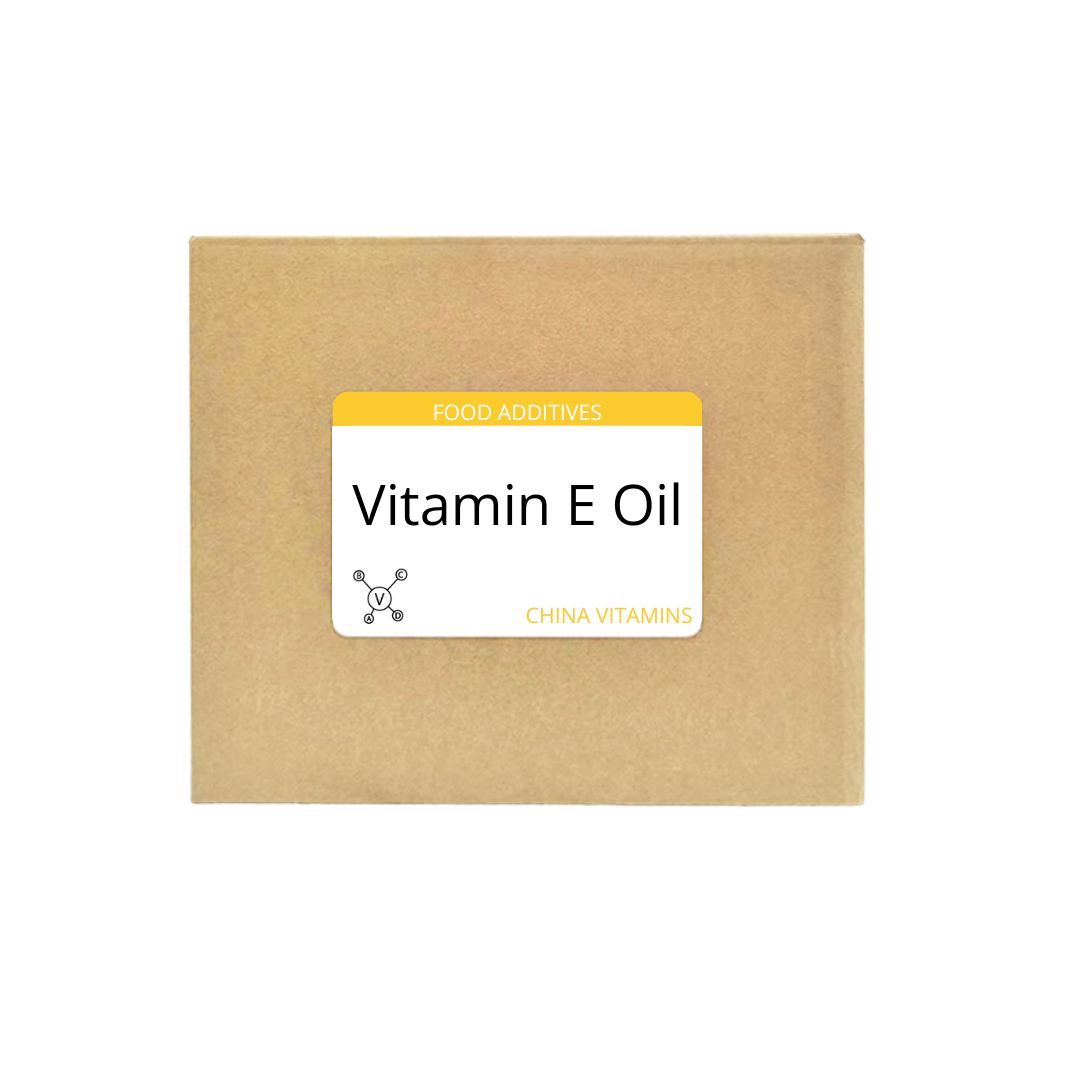
Vitamin E oil primarily consists of tocopherols, a family of fat-soluble antioxidants. The most biologically active form is d-alpha-tocopherol. It is typically derived from vegetable oils, such as soybean, sunflower, or rapeseed oil, through extraction and purification processes [1]. Vitamin E oil is widely used in the food industry as an antioxidant to prevent rancidity in fats and oils, extending the shelf life of various food products. It is also a common ingredient in dietary supplements, promoted for its antioxidant properties and potential health benefits [2].
Production Process
The production of Vitamin E oil generally involves several steps. First, vegetable oils are processed to extract the unsaponifiable matter, which contains tocopherols. This extract undergoes further purification, often involving distillation and chromatography, to concentrate the Vitamin E [3]. The purified tocopherol fraction is then dissolved in a suitable carrier oil, such as soybean or sunflower oil, to achieve the desired concentration and viscosity, resulting in the final Vitamin E oil product.
Application Scenarios
Vitamin E oil finds applications across various food categories. It is used in edible oils and fats to prevent oxidation and maintain their quality during storage [4]. In processed foods, such as snacks and baked goods, it acts as an antioxidant, preserving flavor and preventing spoilage. Additionally, Vitamin E oil is incorporated into fortified foods and beverages to enhance their nutritional value [5].
Packaging and Storage
Vitamin E oil is typically packaged in airtight containers, such as drums or bottles, made of materials that protect it from light and oxygen exposure. It should be stored in a cool, dry place, away from direct sunlight and heat sources, to maintain its stability and prevent degradation [6]. Following these storage recommendations helps to ensure the quality and efficacy of Vitamin E oil throughout its shelf life.
Citations:
[1] Eitenmiller, R. R., & Lee, J. (2021). Vitamin E: Food chemistry, composition, and analysis. CRC press.
[2] Traber, M. G. (2018). Vitamin E. Advances in Nutrition, 9(1), 50-59.
[3] Wong, W. Y., & Kitts, D. D. (2006). Production of tocopherols and tocotrienols by biotechnology. Applied Microbiology and Biotechnology, 71(6), 751-760.
[4] Kamal-Eldin, A., & Andersson, R. (1997). A multivariate study of the correlation between tocopherol content and fatty acid composition in vegetable oils. Journal of the American Oil Chemists' Society, 74(4), 375-380.
[5] Institute of Medicine (US) Panel on Dietary Antioxidants and Related Compounds. (2000). Dietary Reference Intakes for Vitamin C, Vitamin E, Selenium, and Carotenoids. National Academies Press (US).
[6] United States Pharmacopeia. (2023). USP General Notices and Requirements.

As the plant manager, I focus on the precise formulation and efficient production of food additives. We rigorously control the production process to ensure the quality and safety of each product, meeting industry standards. 🍴