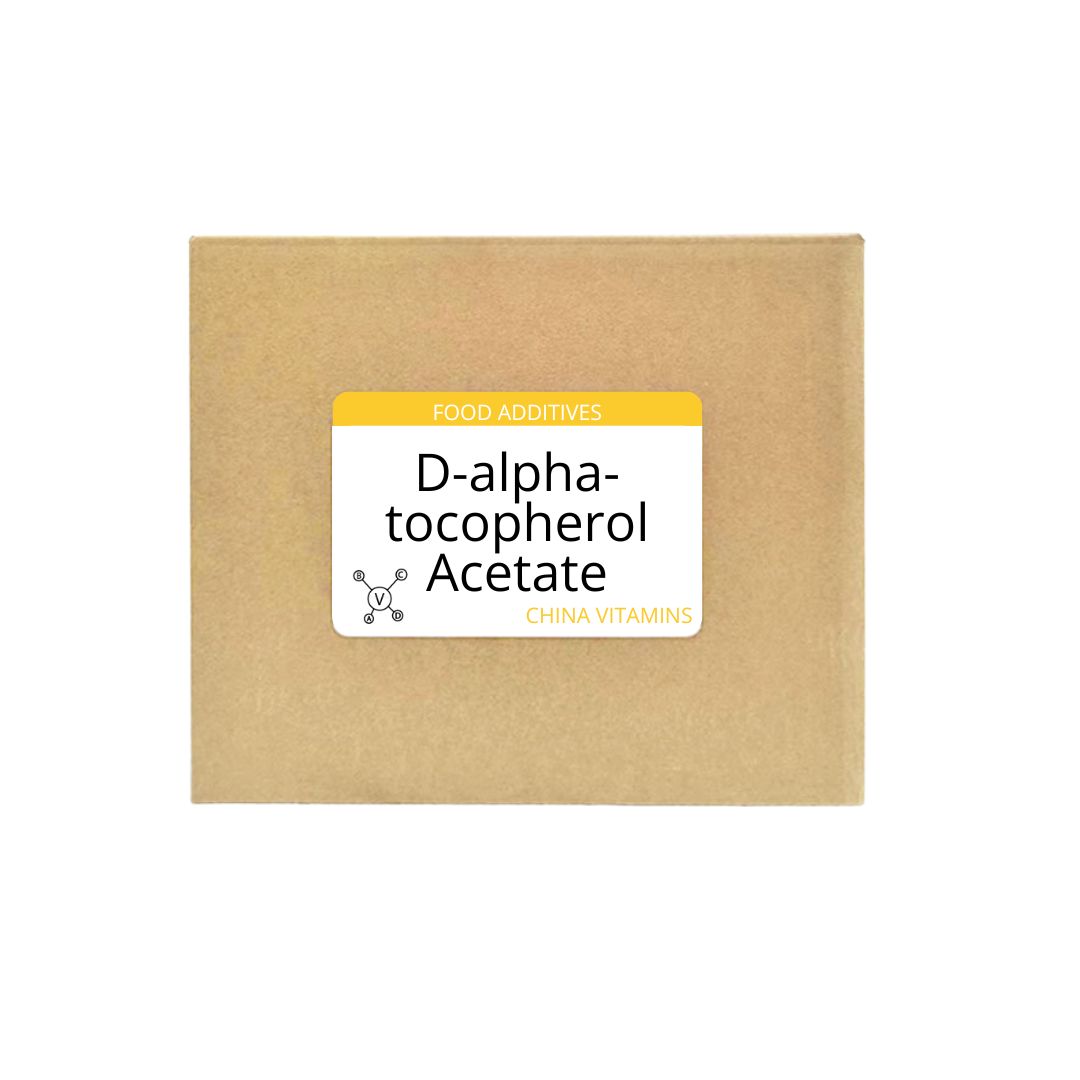


D-alpha-tocopherol acetate, also known as vitamin E acetate, is a stable ester form of d-alpha-tocopherol, a naturally occurring form of vitamin E [1]. It is typically derived from vegetable oils, such as soybean, sunflower, or rapeseed oil, through extraction and esterification processes [2]. The primary use of d-alpha-tocopherol acetate is as a nutritional supplement and antioxidant in food products and dietary supplements, protecting fats and oils from oxidation and providing vitamin E benefits [3].
The production process of d-alpha-tocopherol acetate generally involves several steps. First, d-alpha-tocopherol is extracted from vegetable oils. The extracted d-alpha-tocopherol is then esterified with acetic anhydride to form d-alpha-tocopherol acetate [4]. Finally, the product is purified, refined, and standardized to meet the required specifications [4].
D-alpha-tocopherol acetate is widely used in various application scenarios. It is commonly added to edible oils, salad dressings, and margarine to prevent rancidity and extend shelf life [5]. In dietary supplements, it is used in capsules, tablets, and liquid formulations to provide a stable and bioavailable source of vitamin E [6]. Additionally, it is used in cosmetic products, such as creams and lotions, for its antioxidant and skin-conditioning properties [7].
D-alpha-tocopherol acetate is typically packaged in airtight containers, such as drums or pails, to protect it from light, air, and moisture [8]. It should be stored in a cool, dry place, away from direct sunlight and heat, to maintain its stability and quality [8]. The recommended storage temperature is usually below 25°C [8].

As the plant manager, I focus on the precise formulation and efficient production of food additives. We rigorously control the production process to ensure the quality and safety of each product, meeting industry standards. 🍴