

Product Introduction
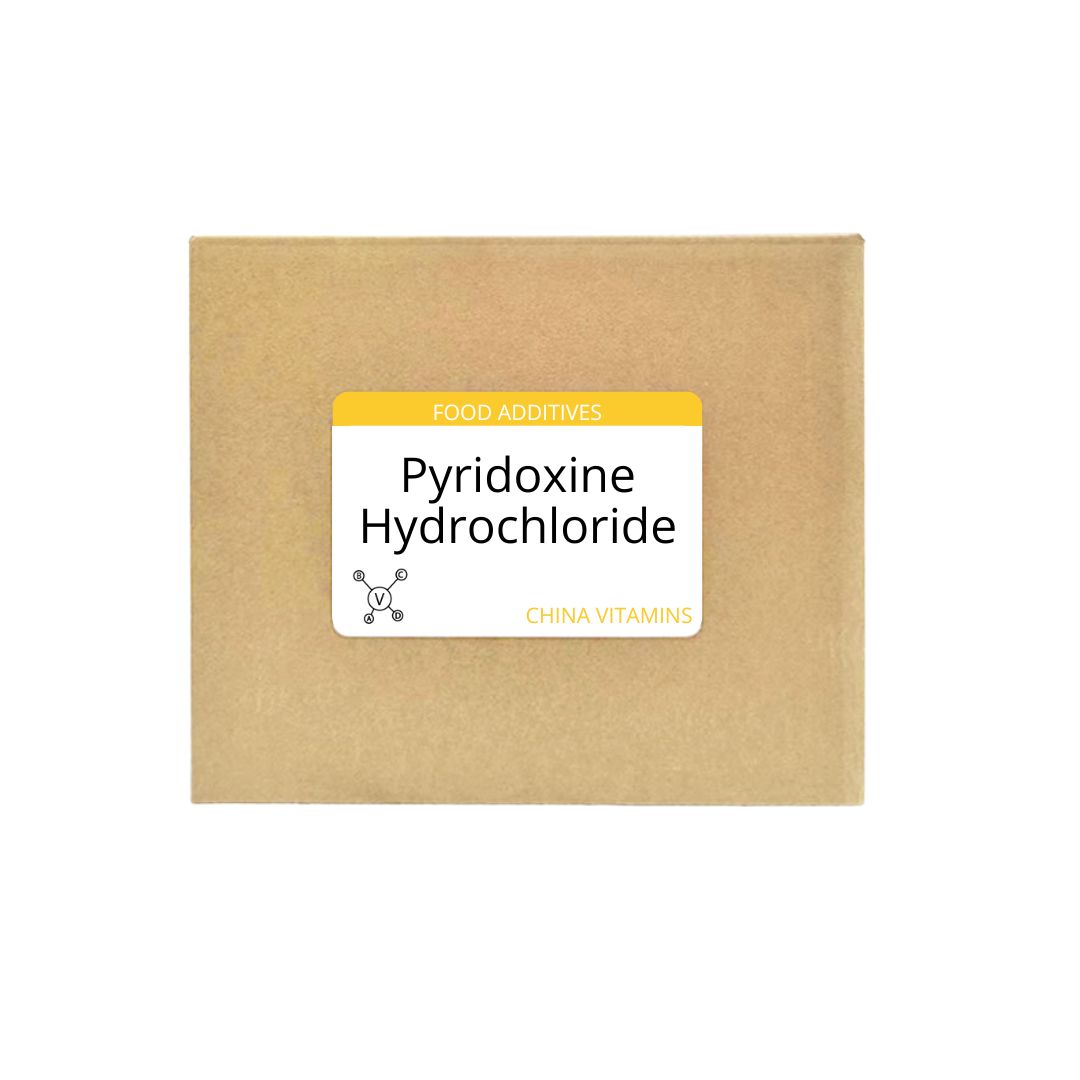
Pyridoxine hydrochloride, also known as vitamin B6 hydrochloride, is a synthetic form of vitamin B6. The main component is pyridoxine, which is one of the three naturally occurring forms of vitamin B6, the others being pyridoxal and pyridoxamine. It is typically synthesized in laboratories through chemical processes. Pyridoxine hydrochloride is used in a variety of applications, mainly as a nutritional supplement and food additive to prevent or treat vitamin B6 deficiency and to enhance the nutritional value of food products [1].
Production Process
The production of pyridoxine hydrochloride generally involves several chemical synthesis steps. Common methods include converting a suitable precursor compound through a series of reactions, such as condensation, cyclization, and reduction, to form the pyridoxine structure. Hydrochloric acid is then added to form the hydrochloride salt, which enhances stability and water solubility. The final product is purified, crystallized, and dried to meet the required quality standards [2].
Application Scenarios
Pyridoxine hydrochloride is widely used in the food and beverage industry to fortify products such as breakfast cereals, energy drinks, and infant formulas, increasing their vitamin B6 content. It is also used in dietary supplements, including multivitamins and B-complex vitamins, to help meet daily nutritional requirements. In the pharmaceutical industry, it is used in medications to treat vitamin B6 deficiency, such as those caused by certain drugs or medical conditions. Additionally, it is sometimes used in animal feed to ensure adequate vitamin B6 levels in livestock [3].
Packaging and Storage
Pyridoxine hydrochloride should be packaged in airtight containers to protect it from light, moisture, and air. It is recommended to store the product in a cool, dry, and well-ventilated place, away from incompatible substances. The ideal storage temperature is between 15°C and 25°C to maintain its stability and prevent degradation. Following these guidelines helps to ensure the product retains its quality and efficacy throughout its shelf life [4].
Citations
[1] Food and Agriculture Organization of the United Nations. (1999). Vitamins and minerals requirements in human nutrition. 2nd edition. Rome.
[2] Kirk-Othmer Encyclopedia of Chemical Technology. (2001). Vitamin B6. John Wiley & Sons, Inc.
[3] National Institutes of Health. (2021). Vitamin B6: Fact Sheet for Health Professionals. Retrieved from https://ods.od.nih.gov/factsheets/VitaminB6-HealthProfessional/
[4] The United States Pharmacopeial Convention. (2022). USP Reference Standards.

As the plant manager, I focus on the precise formulation and efficient production of food additives. We rigorously control the production process to ensure the quality and safety of each product, meeting industry standards. 🍴