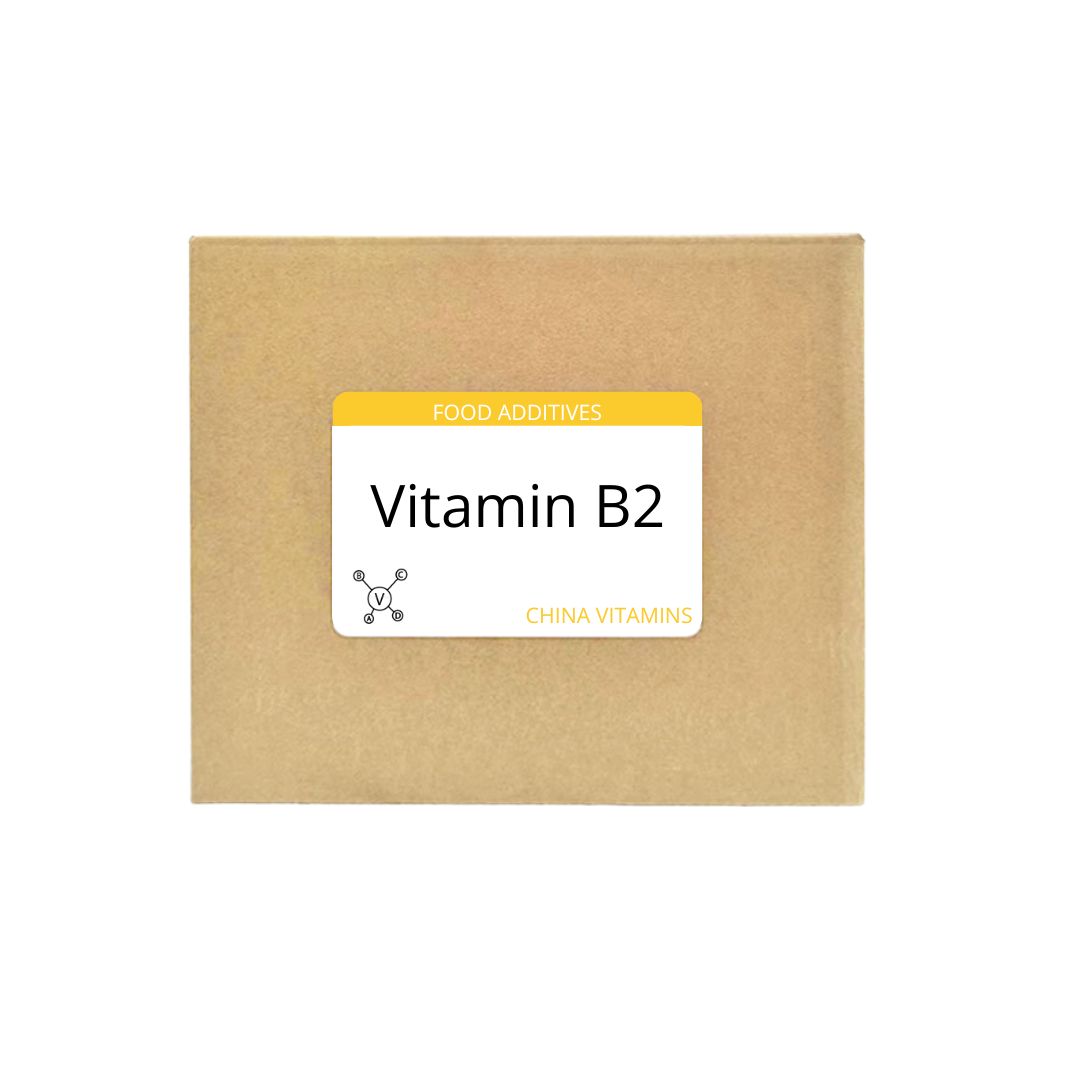


Vitamin B2, also known as riboflavin, is an essential nutrient belonging to the B vitamin family. It is a water-soluble vitamin, meaning it dissolves in water and is not stored in the body, and must be consumed regularly through the diet to maintain optimal health[1]. Riboflavin is a crucial component of flavin mononucleotide (FMN) and flavin adenine dinucleotide (FAD), two coenzymes involved in a wide array of cellular processes [2].
Riboflavin can be sourced from both natural and synthetic pathways. Natural sources include foods such as milk, meat, eggs, nuts, and green leafy vegetables [3]. For commercial production, riboflavin is often produced through microbial fermentation using microorganisms such as Ashbya gossypii or Bacillus subtilis[4].
Vitamin B2 is primarily used as a nutritional supplement and food additive. It plays a vital role in energy production, converting carbohydrates, fats, and proteins into usable energy. It also functions as an antioxidant, protecting cells from damage caused by free radicals [5]. Additionally, riboflavin is involved in the metabolism of other vitamins, such as folate and vitamin B12, and is essential for healthy skin, vision, and nerve function [6]. Due to its vibrant yellow color, riboflavin is also used as a natural food coloring agent.
The production of vitamin B2 through microbial fermentation typically involves several key stages. First, a selected strain of microorganism, such as Ashbya gossypii, is cultured and fermented in a nutrient-rich medium. The fermentation process is carefully controlled to optimize riboflavin production, with parameters like temperature, pH, and aeration closely monitored [7]. After fermentation, the riboflavin is extracted from the fermentation broth through a series of steps, including cell separation, solvent extraction, and crystallization. The resulting crystals are then purified, dried, and milled to the desired particle size [8]. Finally, the purified riboflavin is tested for quality and potency using methods like HPLC to ensure it meets industry standards.
Vitamin B2 finds applications across various sectors of the food and beverage industry. It is commonly added to breakfast cereals, bread, pasta, and other grain products to enhance their nutritional value [9]. In dairy products, such as milk and yogurt, riboflavin contributes to overall vitamin content. Additionally, it is used in infant formulas to support healthy growth and development in infants [10]. The food coloring properties of riboflavin make it a suitable additive in products like cheese sauces, jams, and processed snacks. Furthermore, riboflavin is a common ingredient in dietary supplements, often found in multivitamins and B-complex formulations.
Vitamin B2 is typically packaged in airtight containers to protect it from light, moisture, and air. The containers are usually made of materials such as polyethylene or aluminum foil, which provide a barrier against environmental factors that can degrade the vitamin [11]. The product should be stored in a cool, dry place, away from direct sunlight and heat sources to maintain its stability and prevent decomposition. Following these storage guidelines helps ensure that the vitamin B2 retains its potency and quality throughout its shelf life of approximately 2 years.

As the plant manager, I focus on the precise formulation and efficient production of food additives. We rigorously control the production process to ensure the quality and safety of each product, meeting industry standards. 🍴