

Product Introduction
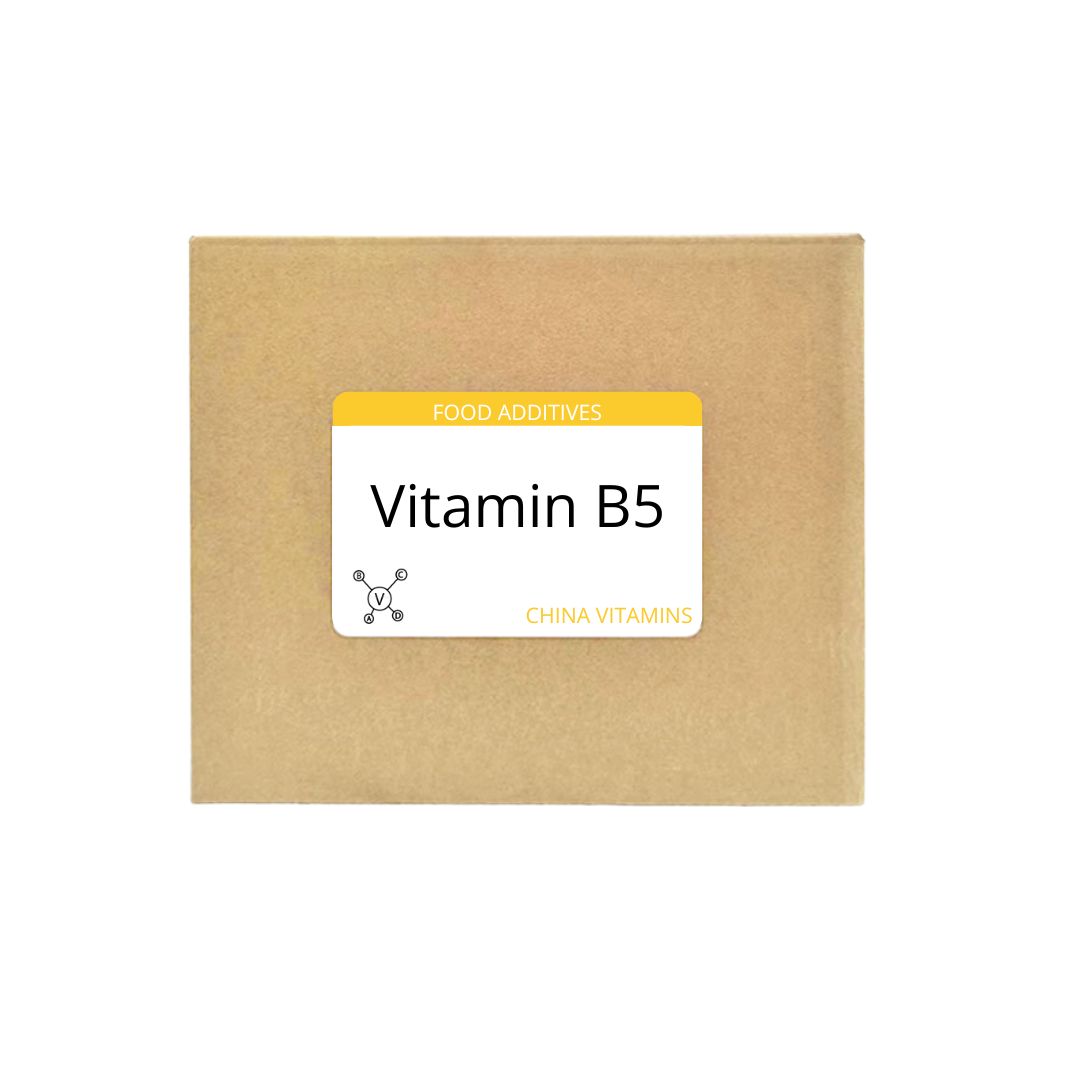
Vitamin B5, commonly known as pantothenic acid, is a water-soluble vitamin that is part of the B-complex group [1]. It is an essential nutrient, meaning the body cannot produce it on its own and must obtain it through dietary sources [2]. The primary source of commercially available vitamin B5 is chemical synthesis [3]. Vitamin B5 is used widely in the food and beverage industry to fortify products, as well as in dietary supplements aimed at supporting overall health and wellness [4].
Production Process
The production of vitamin B5 typically involves a multi-step chemical synthesis. Key steps include the condensation of isobutyraldehyde with formaldehyde, followed by further chemical reactions to form the final product, D-pantothenic acid [5]. Purification processes, such as crystallization and filtration, are employed to ensure high purity and quality of the end product [5]. Quality control measures, including HPLC testing, are implemented throughout the manufacturing process to verify the purity and potency of the vitamin B5 [6].
Application Scenarios
Vitamin B5 finds application in a variety of food and beverage products, including energy drinks, nutritional bars, and fortified cereals [7]. It is included to enhance the nutritional profile of these products, contributing to consumer health [8]. In dietary supplements, vitamin B5 is often formulated into capsules, tablets, and powders, marketed for its role in energy metabolism and general well-being [9]. It is also utilized in cosmetic products because of its hydrating properties [10].
Packaging and Storage
Vitamin B5 is typically packaged in airtight containers, such as fiber drums with polyethylene liners, to protect it from moisture and light [11]. Storage conditions should include a cool, dry environment, away from direct sunlight and incompatible substances [12]. Proper packaging and storage are essential to maintain the stability and efficacy of the product throughout its shelf life [11].
Citations:
[1] Combs, G. F., Jr. (2012). The Vitamins (4th ed.). Academic Press.
[2] Gropper, S. S., Smith, J. L., & Groff, J. L. (2018). Advanced Nutrition and Human Metabolism (7th ed.). Cengage Learning.
[3] Shibata, K., Fukuwatari, T., & Koizumi, K. (2018). Chemical Synthesis of Water-Soluble Vitamins and Their Application in Animal Nutrition. Vitamins & Minerals, 7(2), 1-7.
[4] EFSA Panel on Dietetic Products, Nutrition and Allergies (NDA). (2014). Scientific Opinion on the substantiation of health claims related to pantothenic acid. EFSA Journal, 12(2), 3581.
[5] Zhou, Y., et al. (2015). Biotechnological Production of Pantothenic Acid. Applied Microbiology and Biotechnology, 99, 5781–5790.
[6] United States Pharmacopeia. (2023). USP Monographs: Pantothenic Acid.
[7] Institute of Medicine (US) Panel on Dietary Antioxidants and Related Compounds. (2000). Dietary Reference Intakes for Vitamin C, Vitamin E, Selenium, and Carotenoids. National Academies Press.
[8] Trumbo, P., et al. (2016). Dietary Reference Intakes for Thiamin, Riboflavin, Niacin, Vitamin B6, Folate, Vitamin B12, Pantothenic Acid, Biotin, and Choline. Journal of the Academy of Nutrition and Dietetics, 116(1), 172-173.
[9] National Institutes of Health. (2021). Pantothenic Acid Fact Sheet for Health Professionals. Retrieved from https://ods.od.nih.gov/factsheets/PantothenicAcid-HealthProfessional/
[10] Ebner, F., Heller, A., Rippke, F., & Tausch, I. (2002). Topical Use of Dexpanthenol in Dermatology: A Review. Journal of Dermatological Treatment, 13(4), 173–177.
[11] Food Chemicals Codex (FCC). (2022). Pantothenic Acid.
[12] European Commission. (2008). Commission Directive 2008/84/EC of 27 August 2008 laying down specific purity criteria on food additives other than colours and sweeteners. Official Journal of the European Union, L 253, 1-50.

As the plant manager, I focus on the precise formulation and efficient production of food additives. We rigorously control the production process to ensure the quality and safety of each product, meeting industry standards. 🍴