

Product Introduction
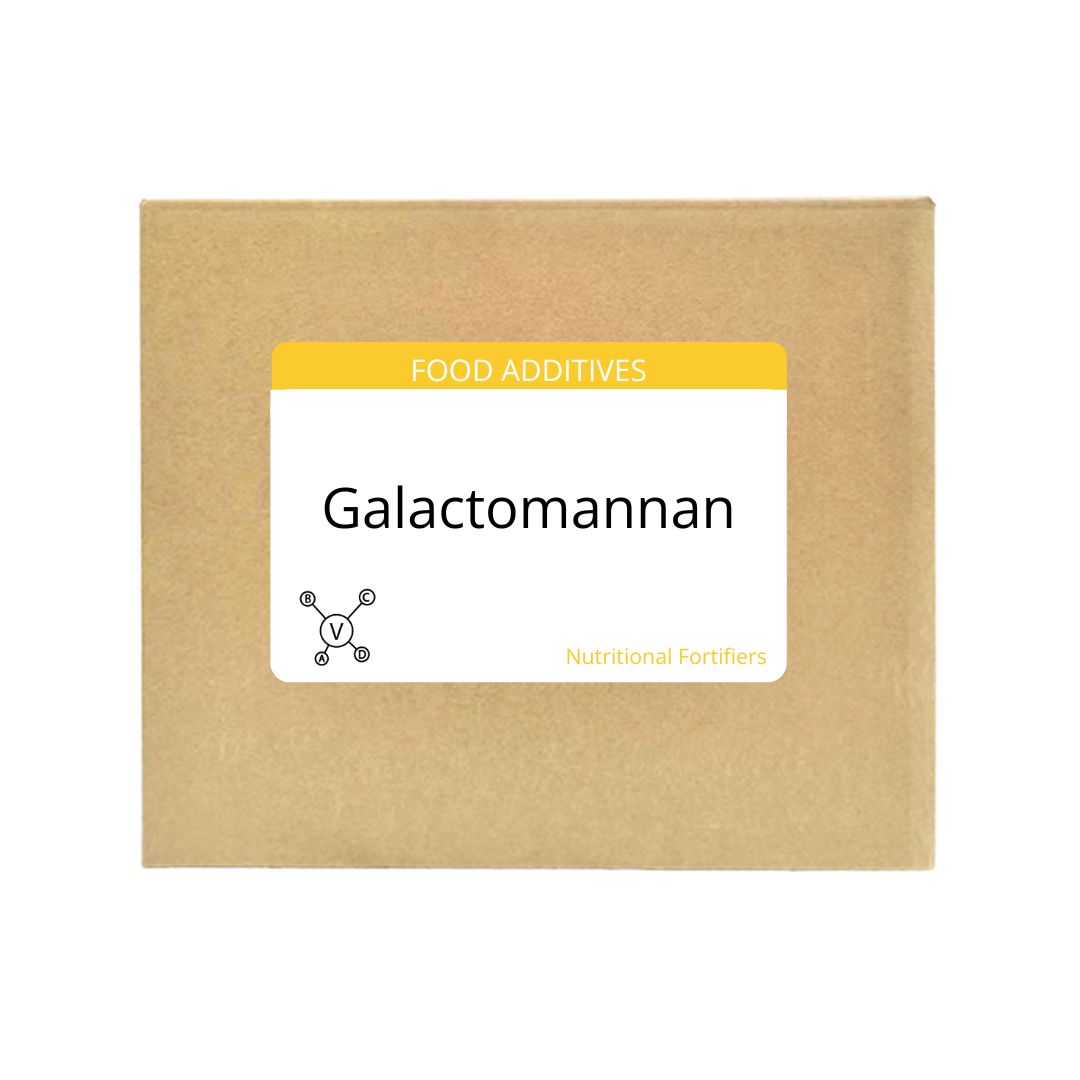
Galactomannan is a polysaccharide, that is derived from the endosperm of leguminous plants, such as guar beans. It is primarily composed of mannose, and galactose units. This composition gives it unique properties relevant to the food industry. Galactomannan is often used as a food additive.
Production Process
The production of galactomannan typically involves several steps. First, guar beans are harvested, and cleaned. The endosperm, which contains the galactomannan, is then separated from the hull, and germ. The endosperm is milled into a powder, which is then purified, usually through a process involving filtration, and drying. The resulting powder is galactomannan, ready for use in various applications.
Functions and Effects
Galactomannan serves multiple functions in food applications. It acts as a thickening agent, increasing the viscosity of liquids. It also functions as a stabilizer, preventing separation of ingredients in mixtures. Additionally, it can act as a binder, improving the texture, and structure of food products. Furthermore, galactomannan is a source of dietary fiber, which can contribute to digestive health.
Application Scenarios
Galactomannan is utilized across a wide range of food products. In baked goods, it can improve texture, and extend shelf life. In dairy products, such as ice cream, and yogurt, it acts as a stabilizer, preventing ice crystal formation, and maintaining a smooth consistency. It is also used in sauces, dressings, and soups, to increase viscosity, and improve the overall mouthfeel. Moreover, galactomannan is found in dietary supplements, often as a fiber source.
Packaging and Storage
Galactomannan should be packaged in airtight containers to prevent moisture absorption. It is recommended to store it in a cool, dry place, away from direct sunlight, and heat. Under these conditions, galactomannan typically has a shelf life of 24 months. Proper storage is crucial to maintaining its quality, and functionality.
Citations
- Anderson, J. W., et al. "Health implications of dietary fiber." Nutrition Reviews 56.1 (1998): 1-18.
- Mudgil, D., and Sheweta Barak. "Composition, properties, and health benefits of guar gum: A review." Journal of Food Science and Technology 50.3 (2013): 409-418.
- Thombare, N., et al. "Guar gum: A перспективный sustainable resource for biomedical applications." Carbohydrate Polymers 185 (2018): 22-32.

As the plant manager, I focus on the precise formulation and efficient production of food additives. We rigorously control the production process to ensure the quality and safety of each product, meeting industry standards. 🍴