

Product Introduction
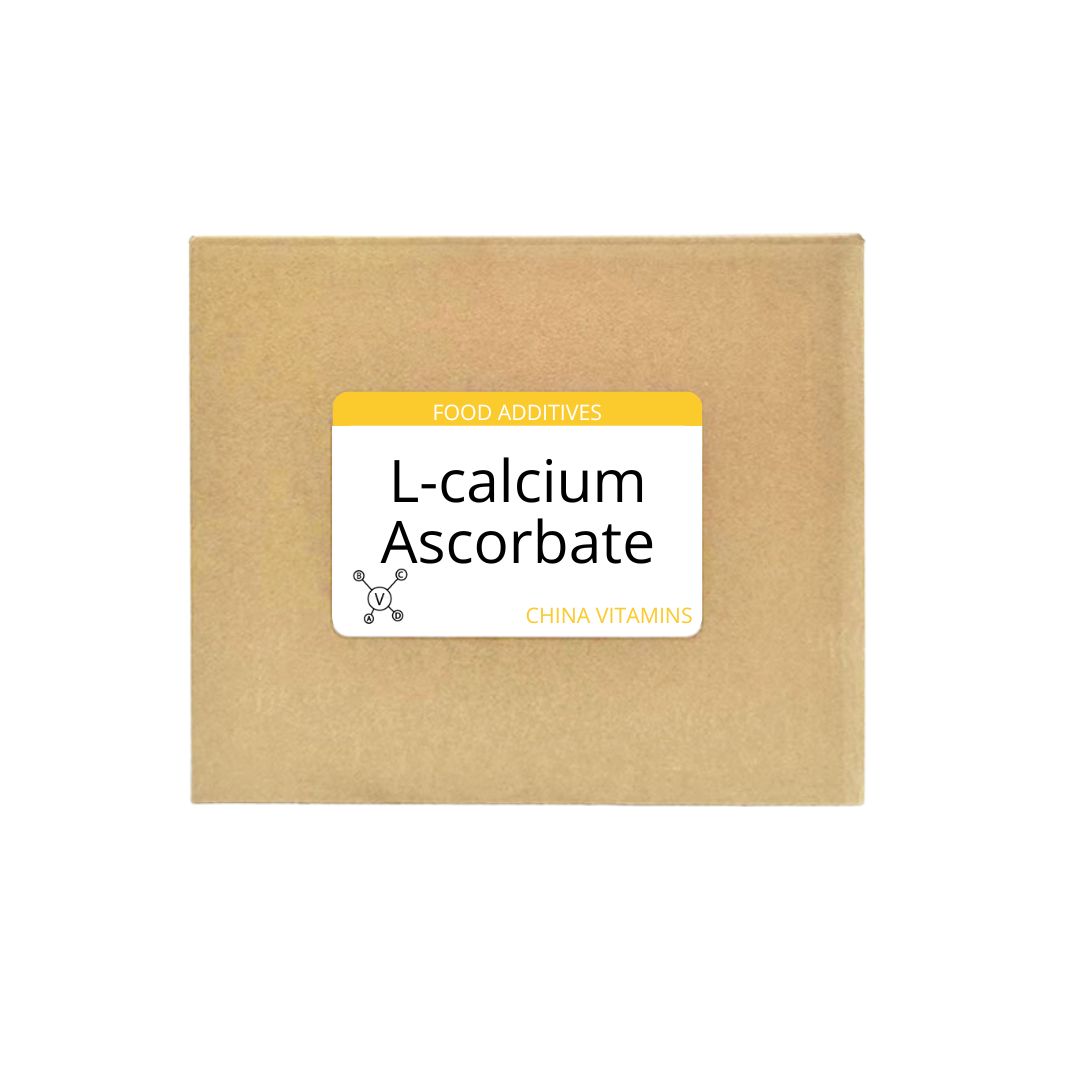
L-calcium ascorbate is a calcium salt of ascorbic acid, commonly known as Vitamin C. It is composed of ascorbic acid and calcium, providing the benefits of both nutrients. L-calcium ascorbate is often used as a food additive and dietary supplement because it is a source of Vitamin C that may be less acidic and gentler on the stomach compared to ascorbic acid alone [1]. It is commonly used as an antioxidant and preservative in the food industry and as a nutritional supplement [2].
Production Process
The production of L-calcium ascorbate typically involves reacting ascorbic acid with a calcium source, such as calcium carbonate or calcium hydroxide, in an aqueous solution [3]. The reaction is carefully controlled to ensure proper salt formation and to maintain the stability of the ascorbic acid. After the reaction is complete, the resulting L-calcium ascorbate is purified, crystallized, and dried to obtain the final product in powder form [3]. The process adheres to strict quality control measures to meet food-grade standards [3].
Application Scenarios
L-calcium ascorbate is used in a variety of applications. In the food and beverage industry, it is used as an antioxidant to prevent spoilage and color changes in products like fruit juices and processed foods [4]. It's also added to baked goods to improve dough strength and enhance the nutritional content of the finished product [5]. In dietary supplements, it serves as a source of Vitamin C, offering potential immune support and antioxidant benefits without causing as much gastric irritation as other forms of ascorbic acid [1].
Packaging and Storage
L-calcium ascorbate is typically packaged in multi-layer kraft paper bags or fiber drums with polyethylene liners to protect it from moisture and light [6]. It should be stored in a cool, dry, and well-ventilated area, away from direct sunlight and incompatible substances. Proper storage conditions help to maintain its stability and prevent degradation [6]. The recommended storage temperature is usually below 25°C, and humidity should be controlled to prevent clumping or caking [6].
Citations:
[1] Johnston, C. S., & Luo, B. (1994). Comparison of the absorption and excretion of three commercially available vitamin C products. Journal of the American Dietetic Association, 94(7), 779-780.
[2] Food and Drug Administration. (2023). GRAS Notices. Retrieved from https://www.fda.gov/food/generally-recognized-safe-gras/gras-notifications
[3] Kirk-Othmer Encyclopedia of Chemical Technology. (2001). Ascorbic Acid. John Wiley & Sons, Inc.
[4] Shahidi, F., & Ambigaipalan, P. (2015). Phenolics and antioxidant activity of selected free and bound forms of ferulic acid in foods. Journal of Functional Foods, 18, 932-939.
[5] Codex Alimentarius Commission. (1981). Codex General Standard for Food Additives.
[6] European Food Safety Authority. (2016). Scientific Opinion on the safety and efficacy of calcium ascorbate as a feed additive for all animal species. EFSA Journal, 14(7), 4540.

As the plant manager, I focus on the precise formulation and efficient production of food additives. We rigorously control the production process to ensure the quality and safety of each product, meeting industry standards. 🍴