

Product Introduction
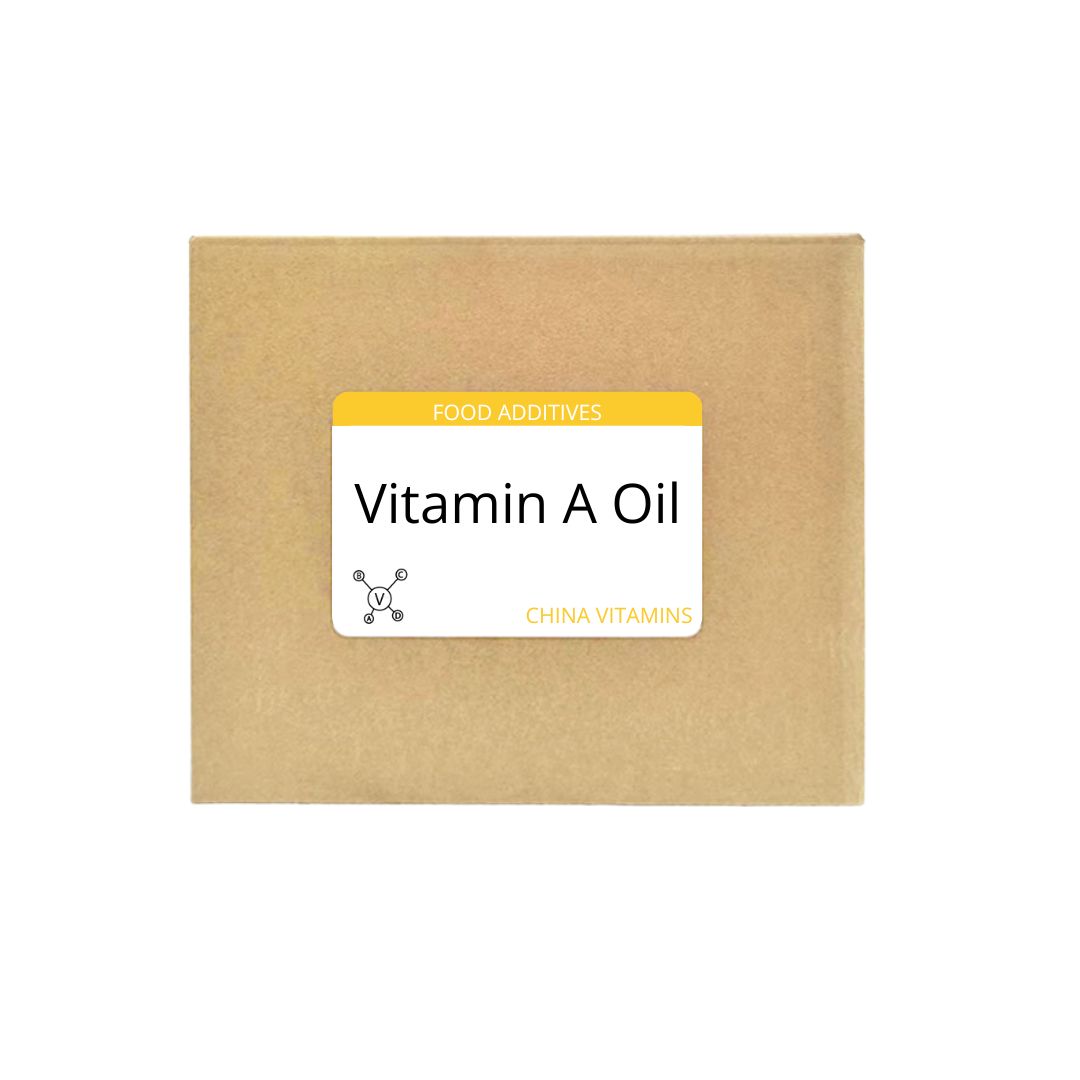
Vitamin A oil primarily consists of retinol, a fat-soluble vitamin crucial for vision, immune function, and skin health [1]. It is typically derived from fish liver oils or produced synthetically [2]. Vitamin A oil is widely used in the food industry to fortify products like milk, yogurt, and breakfast cereals, thereby enhancing their nutritional value and addressing vitamin A deficiencies [3]. Also, vitamin A oil can be added to dietary supplements to provide consumers with a convenient way to meet their daily vitamin A requirements [4].
Production Process
The production of vitamin A oil generally involves extraction and purification methods. Natural vitamin A oil is extracted from sources like fish liver, followed by processes such as saponification, solvent extraction, and molecular distillation to isolate and concentrate the retinol [5]. Synthetic vitamin A production involves chemical synthesis, often starting from beta-carotene or other precursors, which are then converted into retinol through a series of chemical reactions [6]. The final product is stabilized with antioxidants to prevent degradation during storage [7].
Application Scenarios
Vitamin A oil finds applications across various food and health sectors. In the food industry, it is commonly added to dairy products, margarine, and infant formulas to ensure adequate vitamin A intake, particularly in populations at risk of deficiency [8]. Dietary supplement manufacturers incorporate vitamin A oil into capsules, softgels, and liquid formulations, catering to consumers seeking targeted nutritional support [9]. Additionally, the pharmaceutical industry utilizes vitamin A oil in certain therapeutic applications, often related to treating specific vitamin A deficiency-related conditions [10].
Packaging and Storage
Vitamin A oil is typically packaged in airtight containers, often amber-colored glass or opaque plastic, to protect it from light and air exposure, which can degrade the retinol [11]. Storage recommendations include keeping the product in a cool, dry place, away from direct sunlight and heat sources, to maintain its stability and potency [12]. Inert gas flushing, such as nitrogen or argon, may be employed during packaging to minimize oxidation [13]. Following these storage guidelines helps to extend the shelf life and ensure the quality of the vitamin A oil [14].
Citations
[1] National Institutes of Health. (n.d.). Vitamin A. NIH Office of Dietary Supplements.
[2] Food and Agriculture Organization. (2001). Human vitamin and mineral requirements: Report of a joint FAO/WHO expert consultation, Bangkok, Thailand.
[3] Allen, L. H., de Benoist, B., Dary, O., & Hurrell, R. (2006). Guidelines on food fortification with micronutrients. World Health Organization.
[4] Institute of Medicine (US) Panel on Dietary Antioxidants and Related Compounds. (2000). Dietary Reference Intakes for Vitamin C, Vitamin E, Selenium, and Carotenoids. National Academies Press.
[5] OECD. (2004). Initial Assessment Report for the OECD Screening Information Dataset (SIDS) for Retinyl palmitate.
[6] Kirk-Othmer Encyclopedia of Chemical Technology. (2001). Vitamins. John Wiley & Sons, Inc.
[7] Bender, D. A. (2003). Nutritional Biochemistry of the Vitamins. Cambridge University Press.
[8] De Pee, S., & Dary, O. (2002). Biochemical indicators of vitamin A deficiency: Comparative international data and utility for program assessment. Journal of Nutrition, 132(9 Suppl), 2900S-2905S.
[9] Semba, R. D. (2012). Vitamin A and human health. Wiley-Blackwell.
[10] Blomhoff, R. (1994). Vitamin A in Health and Disease. Marcel Dekker.
[11] US Pharmacopeia. (2023). Vitamin A monograph.
[12] Codex Alimentarius Commission. (1999). Codex general standard for food additives.
[13] Ahluwalia, B. S., & Gökmen, V. (2019). Food packaging and shelf life: A practical guide. CRC press.
[14] Kilcast, D., & Subramaniam, P. (2011). The stability and shelf-life of food. Wiley-Blackwell.

As the plant manager, I focus on the precise formulation and efficient production of food additives. We rigorously control the production process to ensure the quality and safety of each product, meeting industry standards. 🍴