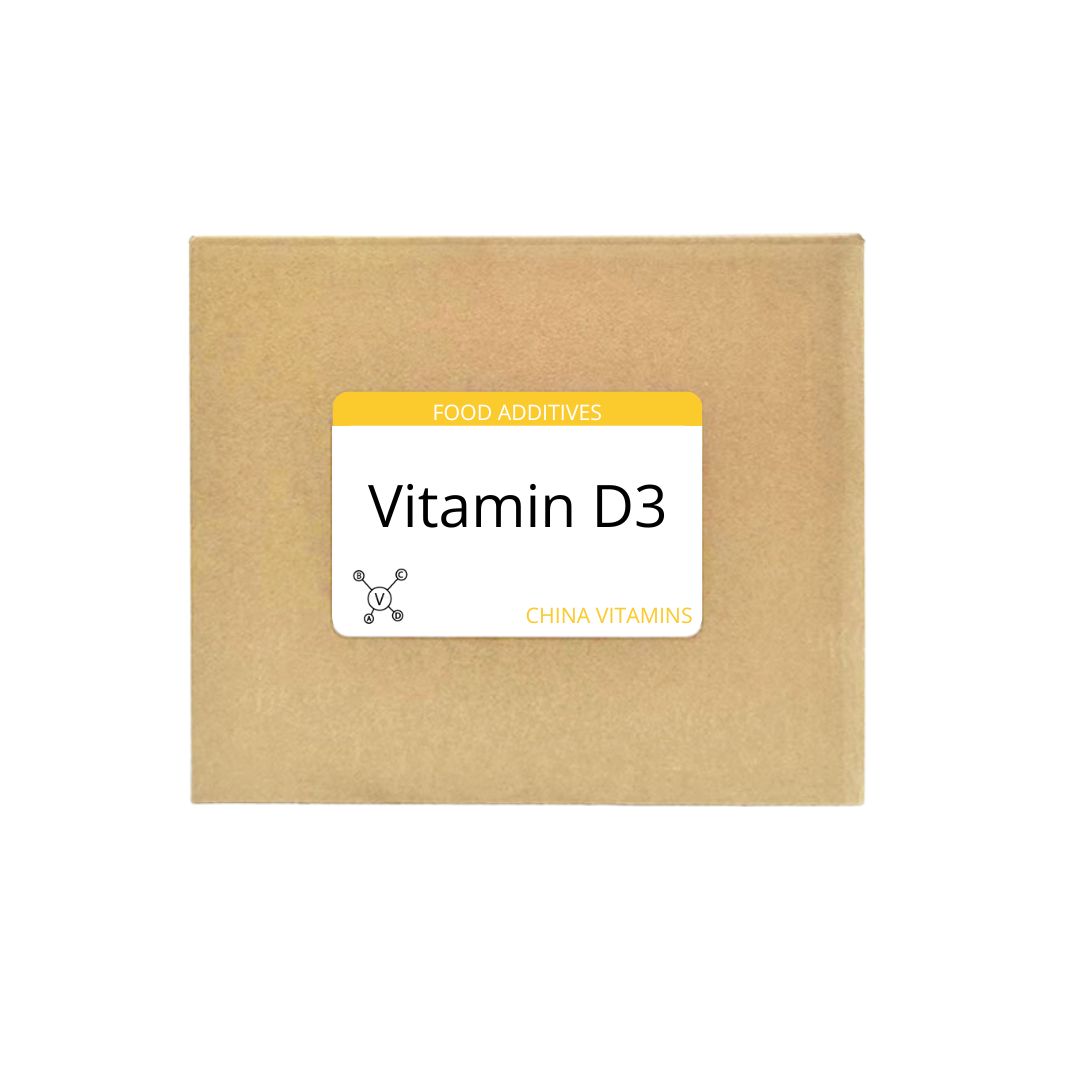


Vitamin D3, also known as cholecalciferol, is a fat-soluble vitamin that is crucial for calcium absorption and bone health [1]. It can be sourced from lanolin found in sheep's wool or produced synthetically [2]. Generally, vitamin D3 is used to fortify foods and beverages, is found in dietary supplements, and used in pharmaceutical applications to prevent and treat vitamin D deficiency [3].
The production process typically involves irradiation of 7-dehydrocholesterol, converting it to pre-vitamin D3, which then isomerizes to vitamin D3 [4]. Further purification and crystallization steps ensure the final product meets the required purity standards [4]. Some manufacturers encapsulate vitamin D3 to improve its stability and dispersibility [5].
Vitamin D3 finds application in a variety of scenarios. It is commonly added to milk, yogurt, and cereals to enhance their nutritional value [6]. Dietary supplements containing vitamin D3 are widely available in various forms, including capsules, tablets, and liquids [7]. In the pharmaceutical industry, vitamin D3 is used in formulations to address conditions like rickets and osteoporosis [8].
Vitamin D3 should be packaged in airtight containers to protect it from light, heat, and moisture [9]. It is recommended to store it in a cool and dry place, typically at temperatures below 25°C [9]. Proper storage conditions are crucial to maintain its stability and potency throughout its shelf life [9].
Citations
[1] National Institutes of Health (NIH). "Vitamin D."
[2] Holick, M. F. "Vitamin D: A d-Lightful Solution for Health." Journal of Investigative Medicine, vol. 59, no. 6, 2011, pp. 872–80.
[3] Scientific Opinion on the Tolerable Upper Intake Level for Vitamin D. EFSA Journal 2012;10(7):2813 [74 pp.].
[4] Hathcock, J. N., Shao, A., Vieth, R., & Heaney, R. P. "Risk assessment of vitamin D." The American Journal of Clinical Nutrition, vol. 85, no. 1, 2007, pp. 6–18.
[5] Graille, J., et al. "Process for the Preparation of a Vitamin D3 Formulation." U.S. Patent US6346274B1, 12 Feb. 2002.
[6] Calvo, M. S., et al. "Vitamin D fortification in the United States and Canada: current regulatory framework and nutrient content data." The American Journal of Clinical Nutrition, vol. 80, no. 6, 2004, pp. 1710S-1716S.
[7] Office of Dietary Supplements - Vitamin D.
[8] Lips, P. "Vitamin D deficiency and secondary hyperparathyroidism in the elderly: consequences for bone loss and fractures and therapeutic implications." Endocrine Reviews, vol. 22, no. 4, 2001, pp. 477–501.
[9] Food and Drug Administration (FDA). "Current Good Manufacturing Practice in Manufacturing, Packaging, Labeling, or Holding Operations for Dietary Supplements." 21 CFR Part 111.

As the plant manager, I focus on the precise formulation and efficient production of food additives. We rigorously control the production process to ensure the quality and safety of each product, meeting industry standards. 🍴