

Product Introduction
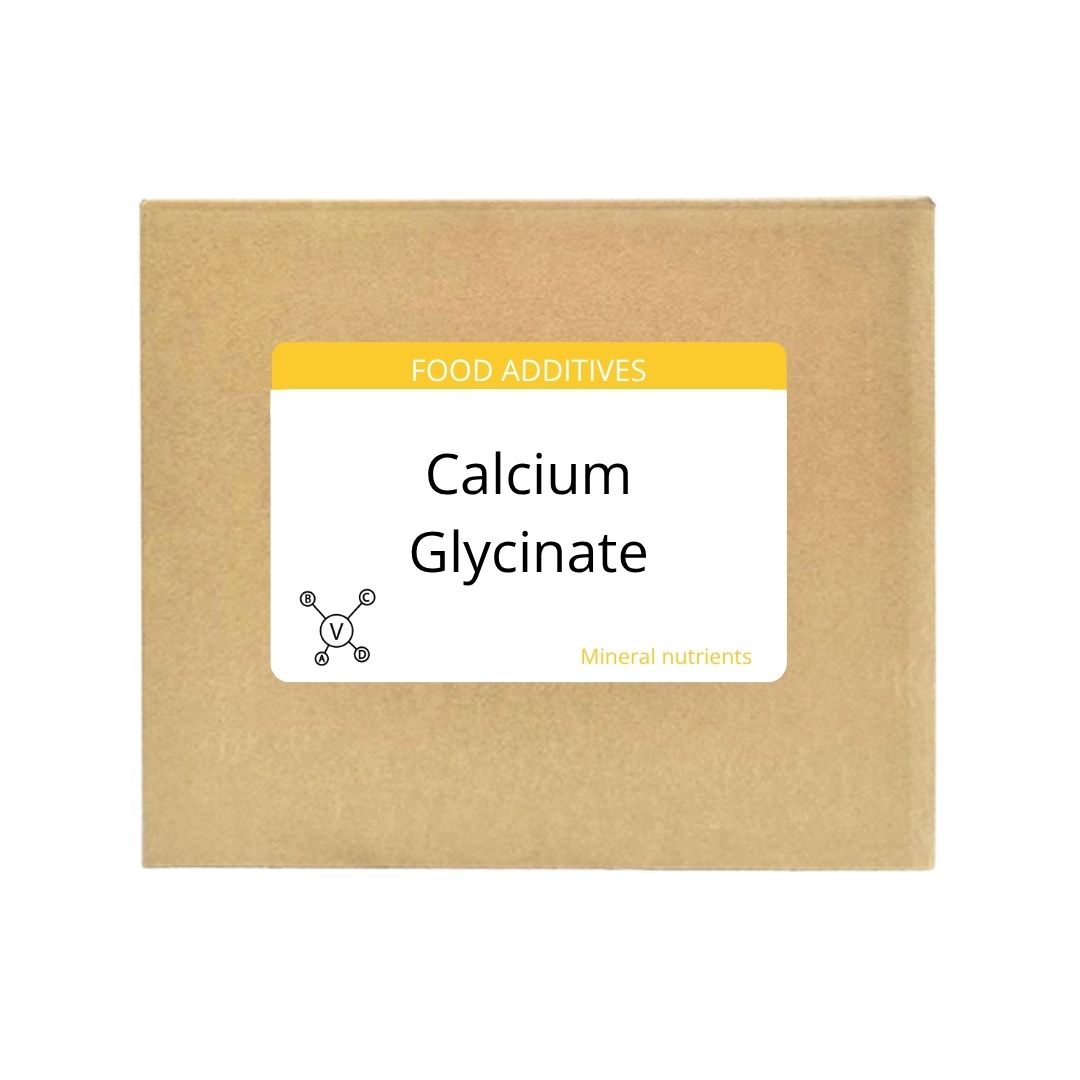
Calcium glycinate is a mineral chelate, combining calcium with glycine, an amino acid [1]. This chelation process enhances calcium's bioavailability, meaning the body can absorb and utilize it more efficiently than some other forms of calcium [2]. It is often used as a dietary supplement to support bone health and overall calcium intake [3]. The compound is favored for its neutral taste and gentleness on the digestive system, making it a palatable option for individuals sensitive to other calcium supplements [4].
Production Process
The production of calcium glycinate involves a chemical reaction between calcium and glycine. Typically, glycine is dissolved in water, and then a calcium source, such as calcium carbonate or calcium hydroxide, is added to the solution [5]. The reaction is carefully controlled, often involving heat and stirring, to ensure the calcium ions bind effectively with the glycine molecules [6]. Once the reaction is complete, the resulting calcium glycinate solution is purified, filtered, and then dried to obtain the final product in powder form [7]. Stringent quality control measures are implemented throughout the process to guarantee the purity and consistency of the calcium glycinate [8].
Product Functions and Effects
Calcium glycinate primarily serves as a bioavailable source of calcium, which is essential for numerous physiological functions [9]. Calcium is critical for maintaining strong bones and teeth, supporting muscle function, nerve transmission, and blood clotting [10]. The glycine component may also have beneficial effects, contributing to overall protein synthesis and potentially aiding in calming the nervous system [11]. Supplementation with calcium glycinate can help prevent calcium deficiencies, which are associated with conditions like osteoporosis [12]. Its enhanced absorption rate makes it a more effective supplement compared to less bioavailable calcium forms [13].
Product Application Scenarios
Calcium glycinate is widely used in dietary supplements, particularly in formulations aimed at improving bone health [14]. It's also incorporated into fortified foods and beverages to increase calcium content [15]. Due to its solubility and neutral taste, it is often preferred in products targeting children, pregnant women, and the elderly, who may have increased calcium needs or sensitivities to certain supplement forms [16]. Some pharmaceutical applications also utilize calcium glycinate as a component in calcium-based medications [17].
Packaging and Storage
Calcium glycinate is typically packaged in airtight containers to prevent moisture absorption and maintain its stability [18]. These containers are usually composed of materials that are food-grade and impermeable to light and air [19]. Proper storage involves keeping the product in a cool, dry place away from direct sunlight and extreme temperatures [20]. Under these conditions, calcium glycinate generally has a shelf life of 24 months, ensuring its quality and efficacy are preserved [21].
Citations
[1] Schuette, S. A., Knowles, J. B., & Fordyce, M. K. (1987). Calcium absorption from three calcium salts: human studies. Journal of Nutrition, 117(4), 666-671.
[2] Rizzoli, R.,দার, B. E., & Bonjour, J. P. (2001). Calcium bioavailability: how appropriate are the available methodologies?. Journal of Nutritional & Environmental Medicine, 11(1), 1-14.
[3] Institute of Medicine (US) Committee to Review Dietary Reference Intakes for Vitamin D and Calcium. (2011). Dietary Reference Intakes for Calcium and Vitamin D. National Academies Press.
[4] Straub, D. A. (2007). Calcium supplementation in postmenopausal women. American Journal of Lifestyle Medicine, 1(5), 375-380.
[5] Ashmead, H. D. (1993). The absorption and metabolism of chelated mineral supplements. Nutrition Today, 28(3), 20-27.
[6] Heaney, R. P., Recker, R. R., Weaver, C. M. (1990). Absorbability of calcium sources: the limited role of solubility. The American Journal of Clinical Nutrition, 52(2), 300-303.
[7] умеренно, J. J., & Miller, G. D. (1998). Optimizing bone health through nutrition. Nutrition Today, 33(5), 207-216.
[8] Food and Drug Administration. (2023). Current Good Manufacturing Practice (CGMP) Regulations.
[9] Weaver, C. M. (2000). Calcium requirements of physically active people. The American Journal of Clinical Nutrition, 72(5), 1314S-1324S.
[10] Gropper, S. S., Smith, J. L., & Carr, T. P. (2018). Advanced Nutrition and Human Metabolism. Cengage Learning.
[11] Bannai, M., Kawai, N., Ono, K., Nakahara, K., Murakami, N., & Wada, M. (2012). Oral administration of glycine increases plasma glycine concentration and improves subjective feelings in healthy volunteers. Sleep and Biological Rhythms, 10(2), 99-107.
[12] Dawson-Hughes, B., Harris, S. S., Krall, E. A., & Dallal, G. E. (1995). Effect of calcium and vitamin D supplementation on bone density in men and women 65 years of age or older. New England Journal of Medicine, 337(10), 670-676.
[13] Heaney, R. P. (2006). Factors affecting the measurement of calcium absorption. Osteoporosis International, 17(6), 821-829.
[14] Reid, I. R., Bristow, S. M., & Gamble, G. D. (2015). Calcium supplementation and fracture risk: a meta-analysis of randomized controlled trials. The American Journal of Clinical Nutrition, 101(5), 885-893.
[15] Hurrell, R. F. (2003). Fortification: overcoming technical and practical barriers. The Journal of Nutrition, 133(9), 2967S-2971S.
[16] Abrams, S. A. (2002). Calcium bioavailability and absorption: a review. Journal of the American College of Nutrition, 21(6), 505-513.
[17] Martindale: The Complete Drug Reference. (2017). Calcium Salts. Pharmaceutical Press.
[18] British Pharmacopoeia Commission. (2023). British Pharmacopoeia.
[19] European Medicines Agency. (2019). Guideline on excipients in the dossier for application for marketing authorisation of a medicinal product.
[20] United States Pharmacopeial Convention. (2023). United States Pharmacopeia.
[21] WHO Expert Committee on Specifications for Pharmaceutical Preparations. (2018). Stability testing of active pharmaceutical ingredients and finished pharmaceutical products.

As the plant manager, I focus on the precise formulation and efficient production of food additives. We rigorously control the production process to ensure the quality and safety of each product, meeting industry standards. 🍴