

Product Introduction
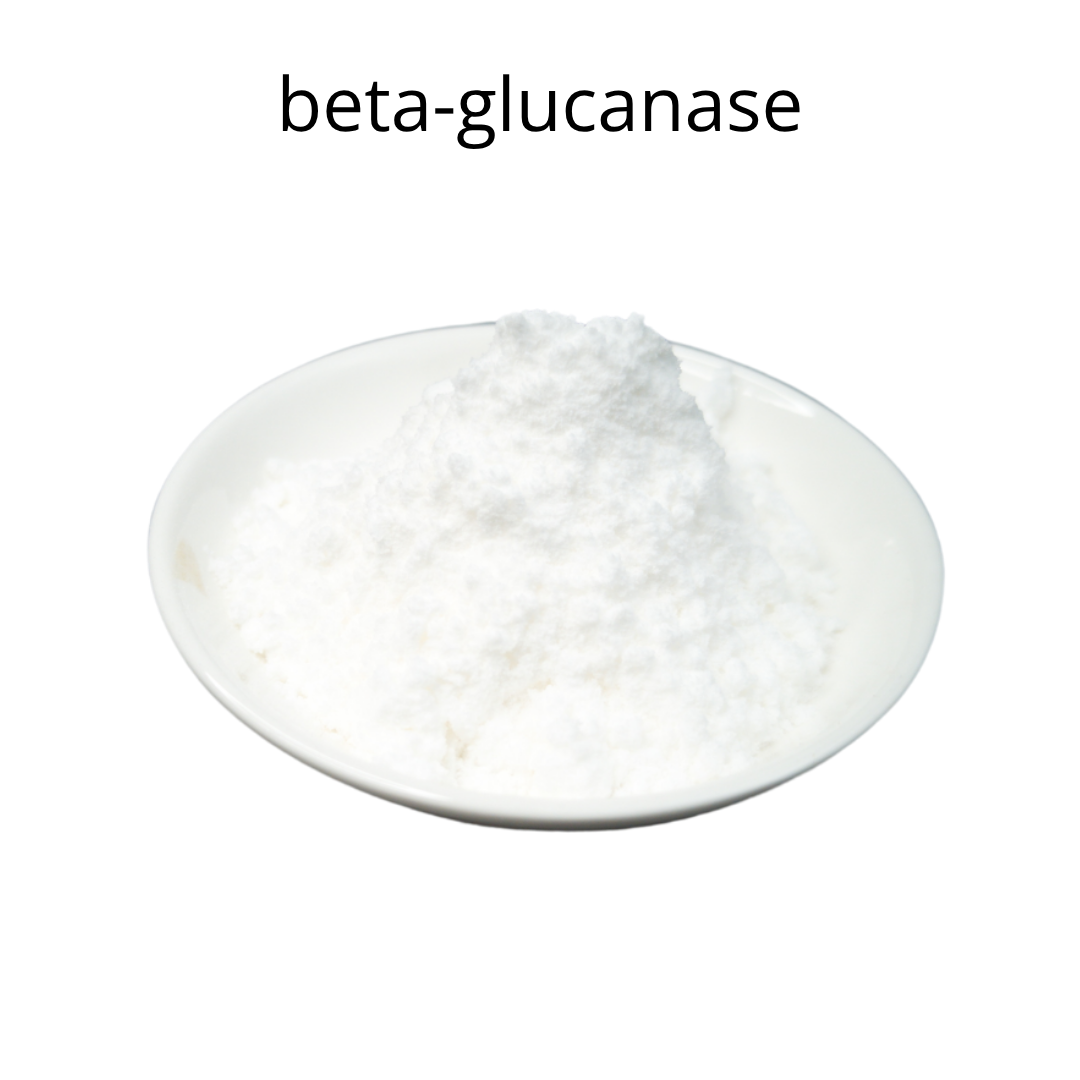
Beta-glucanase is an enzyme that catalyzes the hydrolysis of beta-glucan, a polysaccharide found in the cell walls of plants, bacteria, and fungi. The enzyme breaks down beta-glucan into smaller oligosaccharides and glucose molecules. Beta-glucanase is crucial in various industrial applications due to its specificity and efficiency in degrading complex carbohydrates.
Production Process
The production of beta-glucanase typically involves microbial fermentation. Microorganisms such as Bacillus subtilis, Aspergillus niger, and Trichoderma reesei are commonly used for their ability to produce high levels of the enzyme. The fermentation process is carefully controlled to optimize enzyme production, including maintaining the right temperature, pH, and nutrient levels. After fermentation, the enzyme is extracted, purified, and formulated into a stable product.
Product Effects and Benefits
Beta-glucanase offers several benefits in various applications. In the brewing industry, it reduces the viscosity of wort, improving filtration and clarity of beer. In animal feed, it enhances the digestibility of grains, leading to better nutrient absorption and improved animal performance. Additionally, beta-glucanase can aid in the extraction of valuable compounds from plant materials by breaking down cell walls.
Product Applications
Beta-glucanase is used across many industries:
- Brewing: Improving wort filtration, beer clarity, and reducing viscosity.
- Animal Feed: Enhancing digestibility of barley and other grains, improving animal growth and feed efficiency [1].
- Grain Processing: Assisting in the breakdown of beta-glucans in oats and barley, leading to better processing and product quality.
- Textile Industry: Modifying and softening fabrics through enzymatic degradation of beta-glucan-containing fibers.
Packaging and Storage
Beta-glucanase is typically packaged in airtight containers to prevent moisture absorption and maintain enzyme activity. It should be stored in a cool, dry place, away from direct sunlight and high temperatures. Recommended storage temperatures are between 4°C and 25°C to ensure long-term stability and activity [2]. Proper storage conditions are essential to prolong the shelf life and effectiveness of the enzyme.
Citations:
[1] Choct, M. (1997). Feed non-starch polysaccharides: chemical structures and nutritional significance. World's Poultry Science Journal, 53(3), 245-261.
[2] Whitaker, J. R. (1994). Principles of Enzymology for the Food Sciences. Marcel Dekker.

As the plant manager, I focus on the precise formulation and efficient production of food additives. We rigorously control the production process to ensure the quality and safety of each product, meeting industry standards. 🍴