

Product Introduction
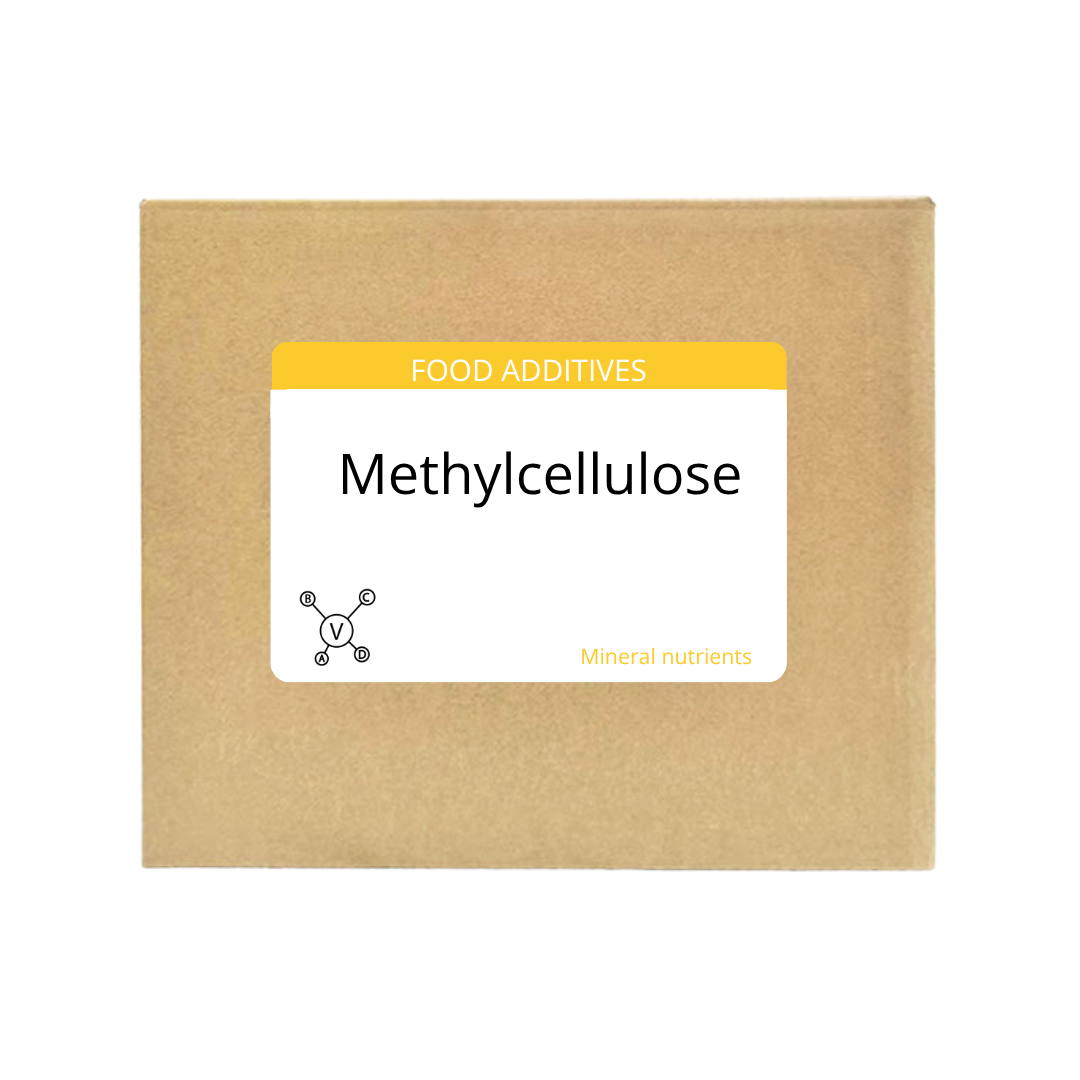
Methylcellulose, also known as MC, is a chemical compound derived from cellulose, a natural polymer found in the cell walls of plants; it is created by modifying cellulose with methyl groups. Methylcellulose is primarily utilized as a thickener, emulsifier, and stabilizer in various industries, especially in food, pharmaceuticals, and construction materials. It is water-soluble and forms a gel when heated, a property known as thermal gelation, which makes it useful in various food applications [1].
Production Process
The production of methylcellulose involves several steps. First, cellulose, typically obtained from wood pulp or cotton linters, is treated with an alkali, such as sodium hydroxide. This process activates the cellulose, making it more reactive. Then, methyl chloride is added, which reacts with the activated cellulose to form methylcellulose. The degree of methylation, or the number of methyl groups attached to the cellulose, determines the properties of the final product. The resulting methylcellulose is then purified, dried, and ground into a powder [2].
Product Efficacy and Function
Methylcellulose is valued for its ability to modify the texture and stability of food products. It acts as a thickener, increasing the viscosity of liquids, and as a binder, holding ingredients together. Its thermal gelation property is particularly useful, as it allows foods to maintain their shape and structure when heated. Additionally, methylcellulose can act as a stabilizer, preventing separation of ingredients in emulsions and suspensions. It also functions as a dietary fiber, contributing to digestive health [3].
Product Application Scenarios
In the food industry, methylcellulose is used in a wide range of products, including vegetarian burgers, baked goods, sauces, and desserts. It helps to improve the texture of vegetarian burgers, providing a meat-like consistency. In baked goods, it can enhance moisture retention and prevent the collapse of the structure. Methylcellulose is also used in pharmaceutical formulations as a binder in tablets and as a viscosity-increasing agent in liquid medications. Furthermore, it finds applications in cosmetics, such as in creams and lotions, where it acts as a stabilizer and thickener [4].
Packaging and Storage
Methylcellulose should be packaged in airtight containers to prevent moisture absorption and contamination. It is recommended to store it in a cool, dry, and well-ventilated area, away from direct sunlight and heat sources. Under proper storage conditions, methylcellulose can maintain its quality and efficacy for up to 24 months [5].
Citations:
[1] Food and Agriculture Organization of the United Nations. (1983). Methyl cellulose. Food and Nutrition Paper 30.
[2] Kroenke, W. J. (2000). Cellulose ethers. Kirk-Othmer Encyclopedia of Chemical Technology.
[3] National Center for Biotechnology Information (2024). PubChem Compound Summary for CID 6822, Methylcellulose.
[4] Thomas, A. (2014). Emulsifiers and Stabilizers for the Food Industry. Wiley-Blackwell.
[5] Ashland. (n.d.). Benecel™ Methylcellulose. Product Data Sheet.

As the plant manager, I focus on the precise formulation and efficient production of food additives. We rigorously control the production process to ensure the quality and safety of each product, meeting industry standards. 🍴