

Product Introduction
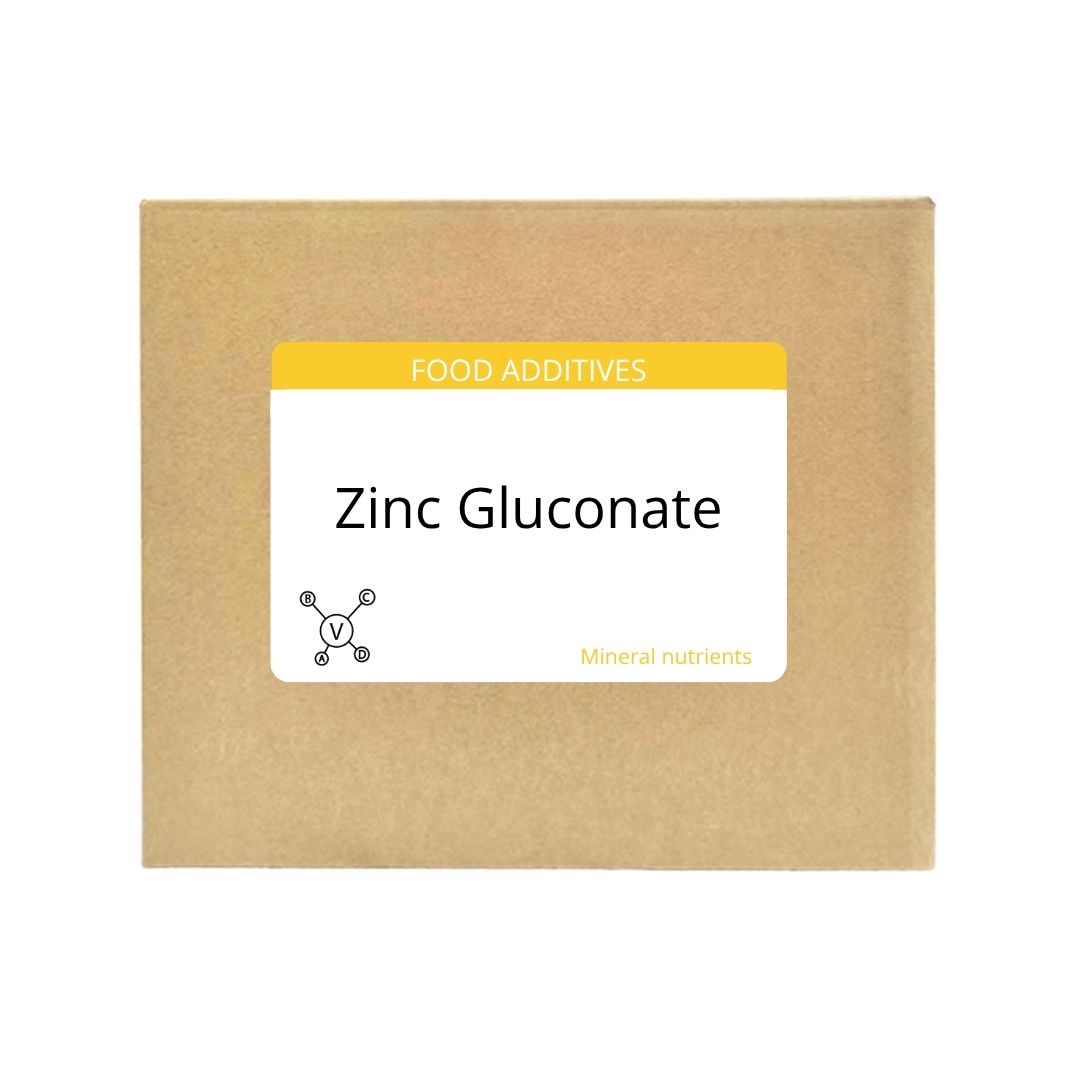
Zinc gluconate is a zinc salt of gluconic acid, produced by the reaction of gluconic acid with a source of zinc, such as zinc carbonate or zinc oxide. Gluconic acid is derived from glucose through fermentation. This combination results in a compound that is more bioavailable, meaning the body can absorb and use the zinc more efficiently than some other forms of zinc. Zinc is an essential trace element, vital for numerous physiological functions, including immune function, wound healing, protein synthesis, and DNA synthesis [1].
Production Process
The production of zinc gluconate generally involves several steps. First, gluconic acid is produced through the fermentation of glucose, often using microorganisms like Aspergillus niger. Next, the gluconic acid solution is purified. Then, a zinc source, such as zinc oxide or zinc carbonate, is added to the purified gluconic acid solution. This mixture undergoes a chemical reaction, resulting in the formation of zinc gluconate. The resulting solution is then filtered to remove any unreacted materials and impurities. The purified zinc gluconate solution is concentrated and crystallized. The crystals are then dried and milled to the desired particle size [2].
Product Functions and Effects
Zinc gluconate is primarily used to supplement dietary zinc intake. Zinc plays a crucial role in the immune system, supporting the development and function of immune cells [3]. It is also involved in wound healing, facilitating collagen synthesis and tissue repair [4]. Furthermore, zinc is essential for protein and DNA synthesis, contributing to cell growth and division [5]. Adequate zinc levels are important for maintaining healthy skin, hair, and nails and supporting normal taste and smell [6]. Zinc also functions as an antioxidant, protecting cells from oxidative damage [7].
Product Application Scenarios
Zinc gluconate is widely used in dietary supplements, available in various forms such as tablets, capsules, and lozenges. It is added to fortified foods and beverages to increase zinc content. In the pharmaceutical industry, zinc gluconate is used in formulations for wound healing and dermatological products. It can also be found in oral care products, such as mouthwashes and toothpaste, due to its antibacterial properties [8]. Additionally, because of its bioavailability, it is often included in supplements aimed at boosting immune function and overall health [9].
Packaging and Storage
Zinc gluconate should be packaged in airtight containers to protect it from moisture and contamination. Suitable packaging materials include polyethylene bags inside fiberboard drums or sealed plastic containers. The product should be stored in a cool, dry, and well-ventilated area, away from direct sunlight and heat. The recommended storage temperature is typically below 25°C. Under these conditions, zinc gluconate generally has a shelf life of 24 months [10].
Citations
[1] Shankar, A. H., & Prasad, A. S. (1998). Zinc and immune function: the biological basis of altered resistance to infection. The American Journal of Clinical Nutrition, 68(2 Suppl), 447S-463S.
[2] Wegener, J. W., et al. (2016). Production of gluconic acid. Applied Microbiology and Biotechnology, 100(8), 3457-3470.
[3] Rink, L. (2000). Zinc and the immune system. Critical Reviews in Immunology, 20(1), 1-22.
[4] Lansdown, A. B. (2007). Zinc in wound healing: theoretical, experimental, and clinical aspects. Wound Repair and Regeneration, 15(1), 2-16.
[5] Prasad, A. S. (1995). Zinc: an overview. Nutrition, 11(1), 93-99.
[6] National Institutes of Health. (n.d.). Zinc: Fact Sheet for Consumers.
[7] Powell, S. R. (2000). The antioxidant miracle. American Journal of Clinical Nutrition, 72(5), 1099-1100.
[8] Hooper, P. L., et al. (1980). Zinc lowers high-density lipoprotein-cholesterol levels. JAMA, 244(17), 1960-1961.
[9] Scientific Opinion on the Tolerable Upper Intake Level for Zinc. (2014). EFSA Journal, 12(10), 3844.
[10] United States Pharmacopeia. (2023). Zinc Gluconate.

As the plant manager, I focus on the precise formulation and efficient production of food additives. We rigorously control the production process to ensure the quality and safety of each product, meeting industry standards. 🍴