

Product Introduction
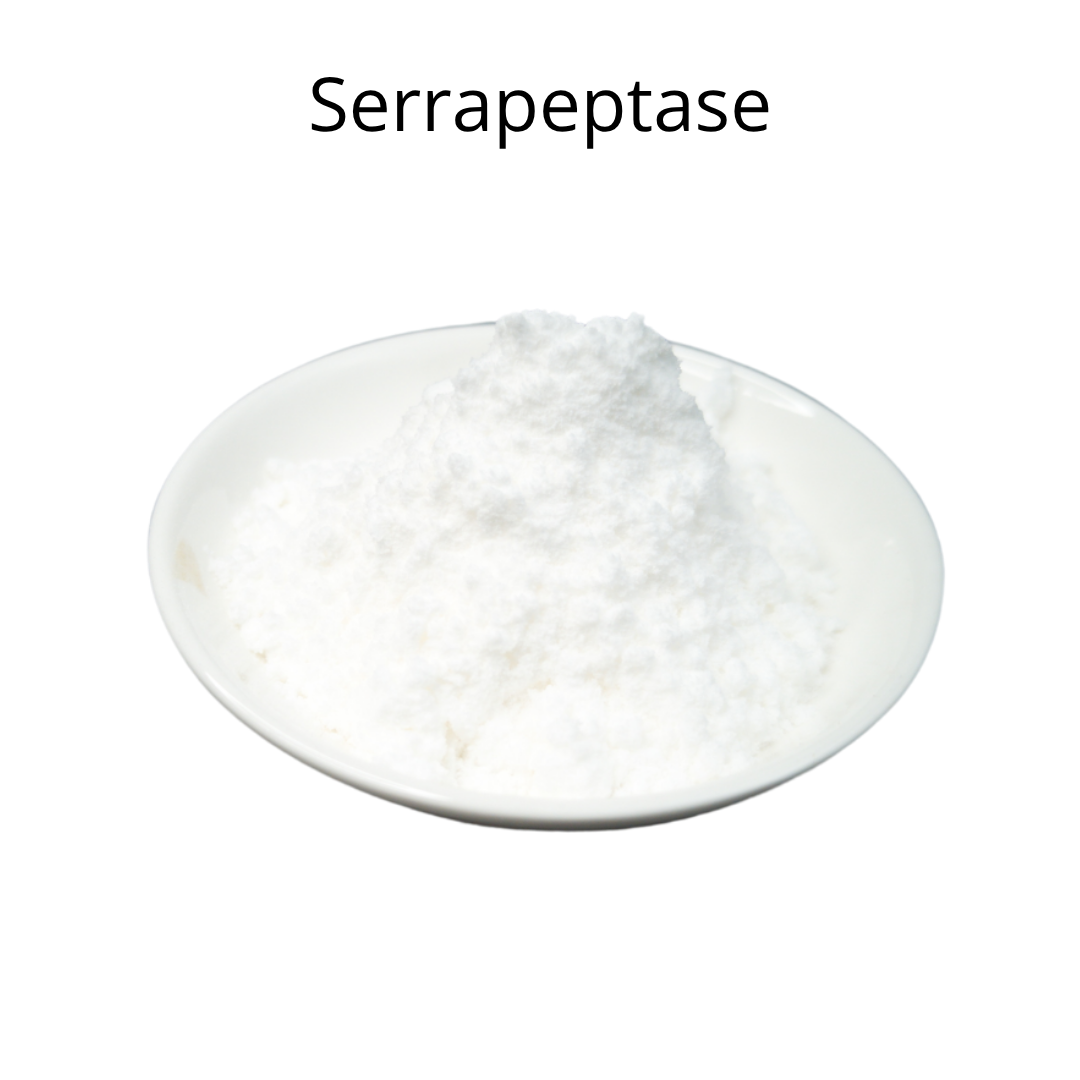
Serrapeptase, also known as serratiopeptidase, is a proteolytic enzyme, meaning it digests proteins. It is produced by the bacterium Serratia marcescens, originally found in the intestine of silkworms. This enzyme allows the emerging moth to dissolve its cocoon. Serrapeptase has gained significant attention for its anti-inflammatory, analgesic, and mucolytic properties, leading to its use in various health applications. It is often available in supplement form, marketed for its potential to reduce pain and inflammation.
Production Process
The production of serrapeptase involves a fermentation process using Serratia marcescens bacteria. First, the bacteria are cultured in a controlled environment, with specific nutrients and conditions optimized for enzyme production. Following fermentation, the enzyme is extracted from the culture broth through several purification steps, which may include filtration, centrifugation, and precipitation. The purified enzyme is then dried, often using techniques like freeze-drying or spray-drying, to obtain a stable powder form. Finally, the product undergoes quality control testing, ensuring it meets the required standards for activity, purity, and safety.
Product Effects and Benefits
Serrapeptase is known for several potential health benefits, primarily related to its anti-inflammatory and enzymatic activity. It may help reduce inflammation by breaking down inflammatory mediators, which can alleviate pain and swelling in various conditions. Studies suggest it can aid in pain management, particularly in post-operative and arthritis-related pain. Furthermore, serrapeptase exhibits mucolytic properties, meaning it can break down mucus, potentially assisting in respiratory conditions by clearing airways. Some research indicates it may also support cardiovascular health by preventing the formation of blood clots. [1]
Product Applications
Serrapeptase is utilized across various applications, primarily in the health and wellness sector. It is a common ingredient in dietary supplements, aimed at supporting joint health, reducing inflammation, and managing pain. In the pharmaceutical industry, it may be included in formulations designed to address inflammatory conditions and promote healing. Additionally, serrapeptase is sometimes found in products targeting respiratory health, due to its mucolytic effects. Its potential to break down proteins also makes it useful in certain cosmetic applications. [2]
Packaging and Storage
Serrapeptase is typically packaged in airtight containers to protect it from moisture and air, which can degrade the enzyme's activity. Common packaging materials include sealed plastic bags, glass bottles, or aluminum containers, often with desiccants to maintain a dry environment. The product should be stored in a cool, dry place, away from direct sunlight and extreme temperatures. Recommended storage conditions are generally between 2°C and 8°C to ensure maximum stability and shelf life. Proper packaging and storage are essential to preserve the enzyme's potency and efficacy over time.
Citations:
[1] Anthonavage, M., et al. "Systematic Review of Clinical Trials Assessing Treatments for Pain After Third Molar Extraction." Journal of Oral and Maxillofacial Surgery 77.1 (2019): 42-58.
[2] Mazzone, A., et al. "Evaluation of Serratia Peptidase in Acute or Chronic Inflammation of Otorhinolaryngology Pathology: A Systematic Review." European Review for Medical and Pharmacological Sciences 12.5 (2008): 355-361.

As the plant manager, I focus on the precise formulation and efficient production of food additives. We rigorously control the production process to ensure the quality and safety of each product, meeting industry standards. 🍴