

Product Introduction
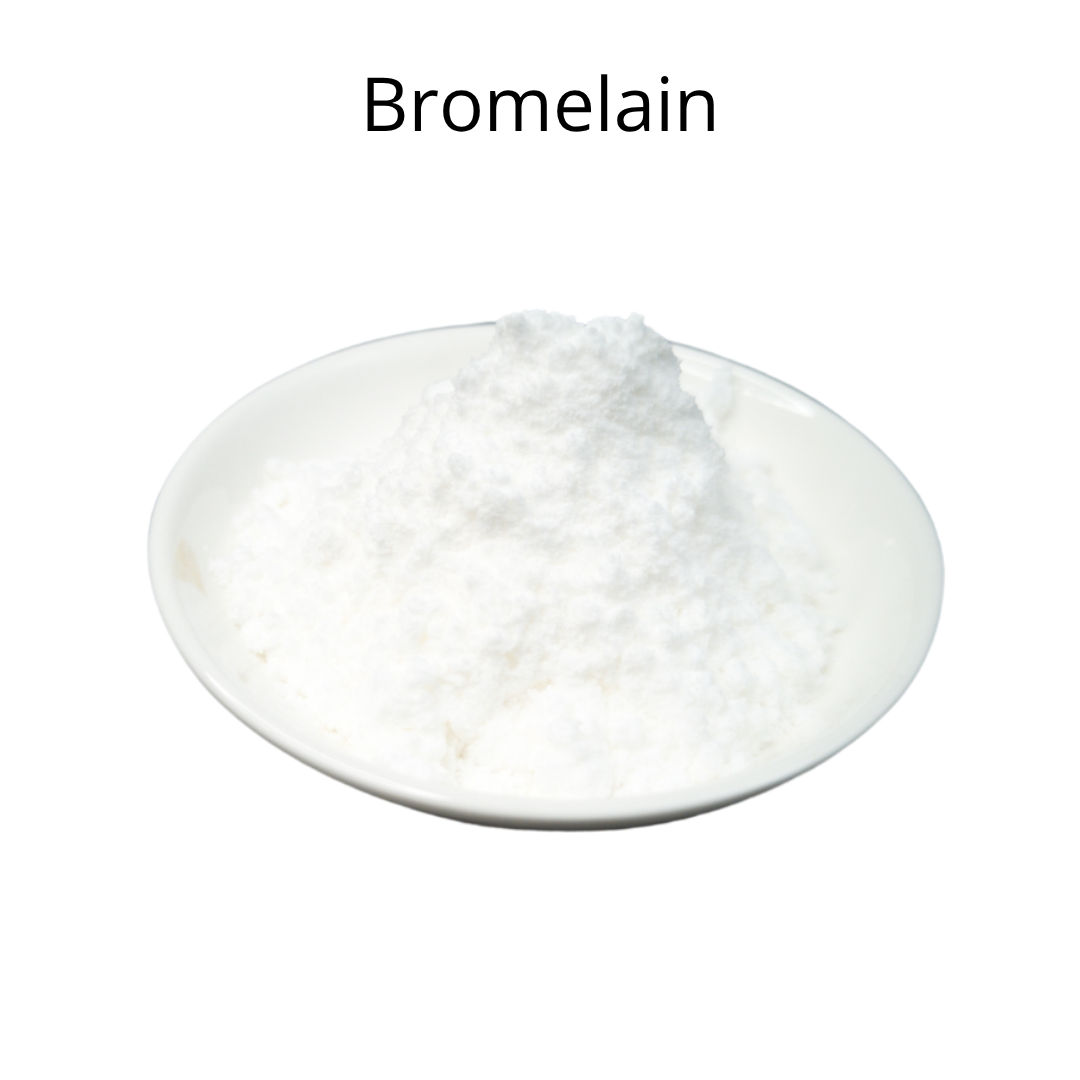
Bromelain refers to a group of enzymes found naturally in the pineapple plant (Ananas comosus). These enzymes exhibit proteolytic activity, meaning they can break down proteins into smaller peptides and amino acids. It is extracted from various parts of the pineapple, including the stem, fruit, and juice. The stem is often used as a primary source for commercial production.
It is valued for its diverse range of potential health benefits and industrial applications. It is available in various forms, including powder, capsules, and creams, making it accessible for use in different products and formulations.
Production Process
The production of bromelain typically involves several key steps, starting with the selection and preparation of pineapple plant material. This process usually begins with the pineapple stems, which are collected as by-products from pineapple harvesting. These stems are then processed to extract the bromelain enzymes.
The extraction process involves crushing or grinding the pineapple stems to release the enzymes. The resulting pulp is then filtered to separate the liquid containing the bromelain. Further purification steps may include precipitation, centrifugation, and ultrafiltration to concentrate and isolate the enzyme. After purification, the bromelain is typically dried using methods such as freeze-drying or spray-drying to obtain a stable powder form. The dried bromelain powder is then tested for its activity, purity, and other quality parameters to ensure it meets the required specifications for its intended use.
Product Effects and Benefits
Bromelain is known for its various potential health benefits, largely attributed to its anti-inflammatory and proteolytic properties. It has demonstrated the ability to reduce inflammation in the body. This effect is beneficial in managing conditions characterized by inflammation, such as arthritis and sinusitis[1]. Additionally, it aids in the breakdown of proteins, potentially improving digestion and nutrient absorption[2].
It has also been investigated for its potential role in reducing pain and swelling following surgical procedures or injuries[3]. Some studies suggest that it possesses properties that may help in wound healing and tissue repair. It also exhibits mucolytic properties, which means it can help to break down and thin mucus. This action is particularly useful in respiratory conditions involving excessive mucus production, such as bronchitis and sinusitis[4].
Product Applications
It finds applications across various industries due to its enzymatic and therapeutic properties. In the food industry, it serves as a meat tenderizer, breaking down tough muscle fibers to improve texture. This application is particularly useful in the processing of tougher cuts of meat.
In the dietary supplement industry, it is included in formulations aimed at supporting digestive health and reducing inflammation[5]. These supplements are often marketed to individuals with digestive disorders or those seeking natural anti-inflammatory remedies.
The pharmaceutical industry utilizes it for its anti-inflammatory and analgesic properties. It is found in some over-the-counter and prescription medications used to manage pain, swelling, and inflammation associated with various conditions[6].
In cosmetics, it is incorporated into skincare products for its exfoliating and anti-inflammatory benefits. It can help remove dead skin cells, promote skin renewal, and reduce skin inflammation, making it a valuable ingredient in creams, lotions, and masks.
Packaging and Storage
It is typically packaged in airtight containers to protect it from moisture and air. The type of packaging used may vary depending on the quantity and intended use of the product, but common options include sealed bags, drums, and containers made of materials such as plastic or glass.
It should be stored in a cool, dry place away from direct sunlight and heat. The ideal storage temperature is generally between 2°C and 8°C to maintain its stability and activity over time. Following proper packaging and storage guidelines helps to ensure that the bromelain retains its quality and efficacy throughout its shelf life.
Citations:
[1] Bhattacharyya, S., Chaudhary, M., & Mandal, S. (2023). An Overview of Properties and Therapeutic Application of Bromelain. Tissue Engineering and Regenerative Medicine International Journal, 10(1), 1–15.
[2] Oni, O. O., Olalekan, K. K., & Fawole, O. B. (2022). Bromelain: A concise review of its phytochemistry, pharmacology and potentials. Journal of Applied Biotechnology, 10(1), 1-15.
[3] Mohd Sani, M. A., Zakaria, R., Muhamad, N., & Mohd Yusof, M. R. (2020). A Comprehensive Review of the Effects of Bromelain on the Musculoskeletal System. Evidence-Based Complementary and Alternative Medicine, 2020.
[4] Chatterjee, S., Rakshit, K., Phanindra Babu, G., Adak, S., & Chatterjee, T. (2022). Formulation, Optimization and Evaluation of Bromelain Containing Topical Anti-Inflammatory Gel. Journal of Pharmaceutical Research International, 100-114.
[5] Akawi, O. A., Gorial, F. I., Abdallah, A. A., Ahmed, A. J., Mustafa, A. F., & Aljazaeary, A. A. (2024). The Effect of Bromelain Enzyme on the Characteristics of Yoghurt and Enhance its Nutritional Values. Annals of R.S.C.B., 29(1), 289–300.
[6] Rathi, S., & Rathore, M. S. (2024). Therapeutic Potential of Bromelain: An Updated Review. JDDT, 14(1-S), 47–56.

As the plant manager, I focus on the precise formulation and efficient production of food additives. We rigorously control the production process to ensure the quality and safety of each product, meeting industry standards. 🍴