

Product Introduction
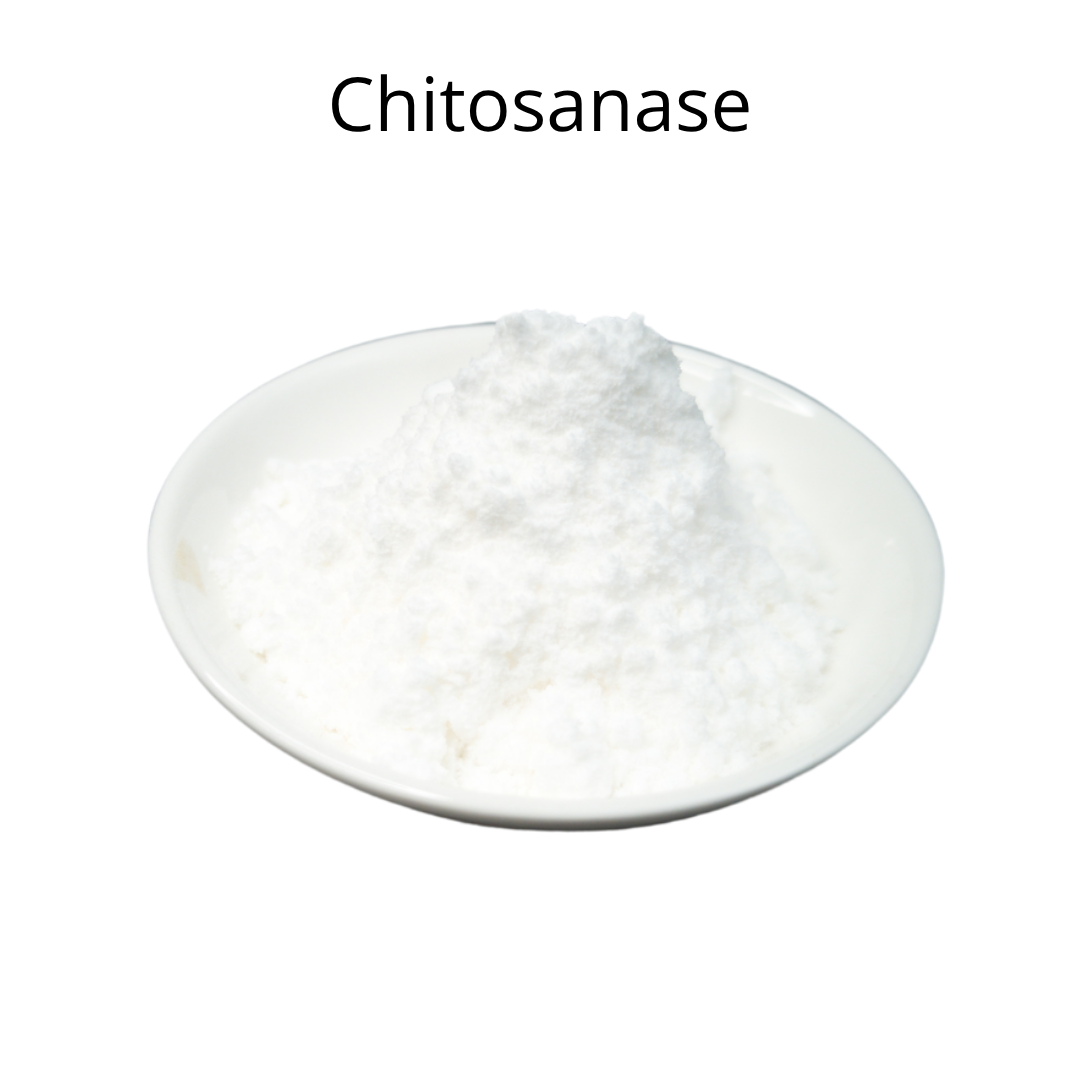
Chitosanase is an enzyme that catalyzes the hydrolysis of chitosan, a polysaccharide composed of β-(1→4)-linked D-glucosamine and N-acetyl-D-glucosamine. This enzyme plays a crucial role in degrading chitosan into smaller oligosaccharides, which have various applications in different fields. Chitosanase is produced by various microorganisms, including bacteria, fungi, and actinomycetes, and its activity is influenced by factors such as pH, temperature, and substrate concentration.
Production Process
The production of chitosanase typically involves microbial fermentation, followed by enzyme extraction and purification. Microorganisms capable of producing chitosanase are cultured in a nutrient-rich medium containing chitosan as the primary carbon source. The fermentation process is carefully monitored to optimize enzyme production. After fermentation, the enzyme is extracted from the culture broth through methods such as centrifugation and filtration. The extracted enzyme is then purified using techniques like precipitation, ultrafiltration, and chromatography to obtain a high-purity chitosanase product.
Product Effects and Benefits
Chitosanase offers several benefits due to its ability to degrade chitosan into smaller, biologically active oligosaccharides. These oligosaccharides exhibit properties such as antimicrobial, antitumor, and immunomodulatory activities.
Product Applications
Chitosanase finds application in various industries. In the food industry, it is used to produce chitosan oligosaccharides with enhanced bioactivity for functional foods. In agriculture, it is used as a biocontrol agent against fungal pathogens and as a plant growth promoter. In the pharmaceutical industry, chitosanase is employed in drug delivery systems and wound healing applications. Additionally, it is used in waste treatment processes to degrade chitosan-containing waste materials.
Packaging and Storage
Chitosanase is typically packaged in airtight containers to prevent moisture absorption and maintain its stability. It should be stored in a cool, dry place, preferably at temperatures between 2-8°C, to minimize loss of enzymatic activity over time. Proper storage conditions are essential to ensure the product retains its efficacy throughout its shelf life.
Citations:
- Fenton JE, et al. Chitosanase: A Review of Sources, Production, Properties and Applications. Marine Drugs. 2021; 19(6):309. https://doi.org/10.3390/md19060309
- Yoon, J., et al. "Production and characterization of chitosanase from Bacillus sp. strain JWS-1." Enzyme and Microbial Technology 30.3 (2002): 331-338.

As the plant manager, I focus on the precise formulation and efficient production of food additives. We rigorously control the production process to ensure the quality and safety of each product, meeting industry standards. 🍴