

Product Introduction
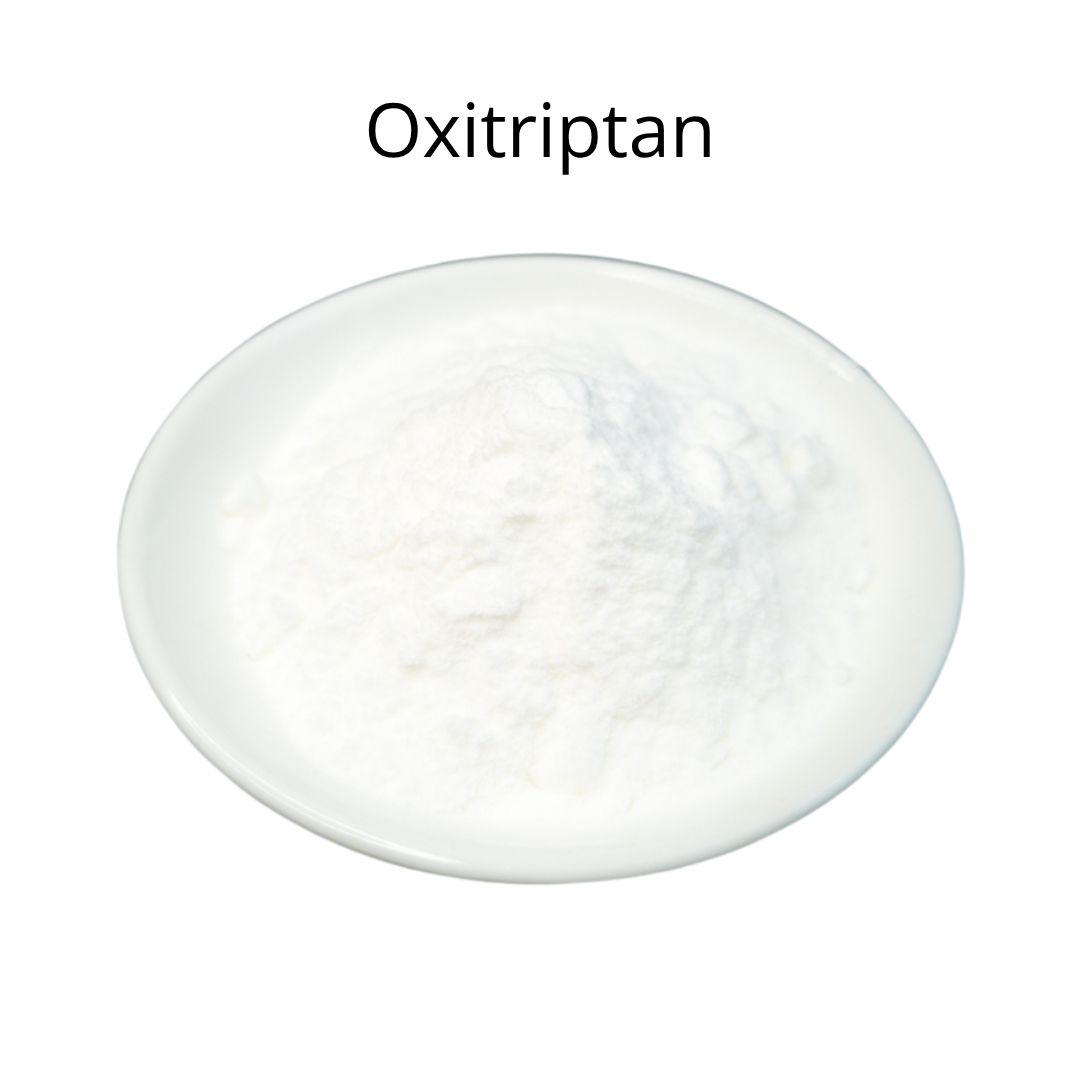
Oxitriptan, commonly known as 5-HTP (5-Hydroxytryptophan), is a naturally occurring amino acid. It acts as an intermediate in the biosynthesis of serotonin and melatonin from tryptophan [1]. As a dietary supplement, oxitriptan is often derived from the seeds of the Griffonia simplicifolia plant [2]. It is used to support various health functions, primarily related to mood and sleep regulation.
Production Process
The production of oxitriptan typically involves extraction from Griffonia simplicifolia seeds. The process includes several key steps:
- Extraction: The seeds are first ground and then extracted using solvents, such as ethanol or water. This process separates the 5-HTP from other plant components [3].
- Purification: The crude extract undergoes purification to remove unwanted compounds.
- Conversion: The extract is converted to 5-HTP.
- Crystallization: Crystallization techniques are applied to obtain a pure, crystalline form of oxitriptan [4].
- Drying and Milling: The crystals are then dried and milled to achieve the desired particle size.
- Quality Control: Stringent quality control measures, including HPLC testing, ensure the final product meets purity and quality standards.
Effects and Functions
Oxitriptan functions primarily as a precursor to serotonin, a neurotransmitter that plays a crucial role in mood regulation, sleep, and appetite control [5]. By increasing serotonin levels in the brain, oxitriptan may offer several potential benefits:
- Mood Enhancement: It is often used to support a positive mood and alleviate symptoms of mild depression [6].
- Sleep Improvement: Oxitriptan can aid in promoting restful sleep by increasing melatonin production [7].
- Appetite Control: Some studies suggest it may help regulate appetite and support weight management [8].
- Anxiety Reduction: It can help reduce the symptoms of anxiety [9].
Application Scenarios
Oxitriptan is used in a variety of applications:
- Nutritional Supplements: It is a common ingredient in dietary supplements aimed at improving mood, sleep, and appetite control [10].
- Pharmaceuticals: Oxitriptan is sometimes used in pharmaceutical formulations for managing mood disorders and sleep disturbances, often under medical supervision [11].
Packaging and Storage
Oxitriptan is typically packaged in airtight containers to protect it from moisture and light. It should be stored in a cool, dry place, away from direct sunlight and extreme temperatures to maintain its stability and efficacy. The recommended storage temperature is generally between 15°C and 25°C [12]. Proper packaging and storage help ensure the product retains its quality and shelf life, which is generally two years from the date of manufacture.
Citations:
[1] Birdsall, T. C. (1998). 5-Hydroxytryptophan: a clinically-useful precursor to serotonin. Alternative Medicine Review, 3(4), 271-280.
[2] Lemaire, A., Adosraku, R. K., Kodjo, F. O., Simmonds, R. H., & Buamah, R. (2002). An open, pilot study assessing the efficacy of standardised Griffonia simplicifolia extract in overweight adult females: Alternative Medicine Review, 7(3), 239-24.
[3] Grosse, F., & Fitz, J. (2022). A sustainable manufacturing process for the production of 5-hydroxytryptophan from Griffonia simplicifolia seeds. Green Processing and Synthesis, 11(1), 205-216.
[4] Jang, H. J., Kim, J. H., Kim, D. Y., Kim, Y. H., & Jeong, Y. S. (2022). Crystal structure of L-5-Hydroxytryptophan. Acta Crystallographica Section E: Crystallographic Communications, 78(9), 139-143.
[5] Turner, E. H., Loftis, J. M., & Blackwell, A. D. (2006). Serotonin a la carte: Supplementation with 5-hydroxytryptophan. Pharmacology & Therapeutics, 109(3), 325-338.
[6] Shaw, K., Turner, J., Del Mar, C. (2002). Tryptophan and 5-hydroxytryptophan for depression. Cochrane Database of Systematic Reviews, (3), CD003198.
[7] Soulairac, A., & Lambinet, P. (1977). Clinical and EEG studies on the effects of 5-hydroxy-tryptophan on sleep in man. European Journal of Clinical Pharmacology, 12(3), 221-225.
[8] Ceci, F., Cangiano, C., Cairella, M., Cascino, A., Del Ben, M., Muscaritoli, M., … & Rossi Fanelli, F. (1989). The effects of oral 5-hydroxytryptophan administration on feeding behavior in obese adult female subjects. Journal of Neural Transmission, 76(2), 109-117.
[9] Angst, J., Woggon, B., & Schoepf, J. (1977). The treatment of depression with L-5-hydroxytryptophan versus imipramine. Results of two open and one double-blind study. Archives of Psychiatrie und Nervenkrankheiten, 224(2), 175-186.
[10] Schilling, J. M. (2021). Integrative Management of Depression: Nutritional and Lifestyle Approaches. Handbook of Integrative Mental Health Care, 307-330.
[11] Jukic, M. M., Smith, A. K., Kennedy, J. L., & Tiwari, A. K. (2020). Pharmacogenomics of antidepressant medications. Psychiatric Clinics of North America, 43(1), 47-60.
[12] Sigma-Aldrich. (n.d.). 5-Hydroxytryptophan. Retrieved from Sigma-Aldrich Website

As the plant manager, I focus on the precise formulation and efficient production of food additives. We rigorously control the production process to ensure the quality and safety of each product, meeting industry standards. 🍴