

Product Introduction
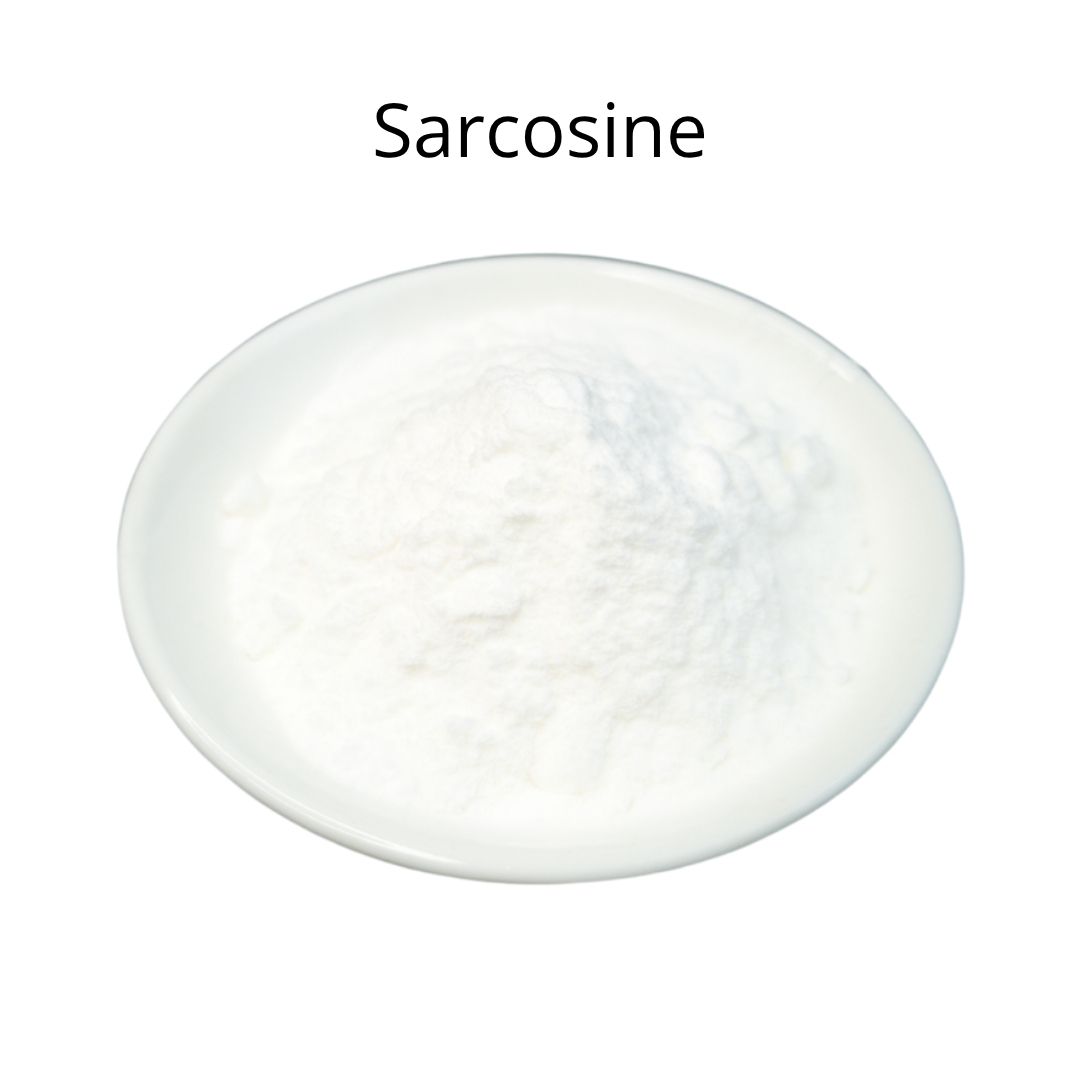
Sarcosine, also known as N-methylglycine, is a naturally occurring amino acid found in muscles and other body tissues. It is a derivative of glycine with a methyl group attached to the nitrogen atom. Sarcosine is an intermediate in the metabolism of glycine and is involved in various biochemical pathways.
Production Process
Sarcosine can be produced through several methods, and one common method involves the methylation of glycine. This process typically involves reacting glycine with a methylating agent, such as formaldehyde, in the presence of a reducing agent. The reaction results in the formation of sarcosine, which can then be purified to obtain the final product [1].
Effects and Functions
Sarcosine plays a vital role in glycine metabolism and participates in creatine synthesis. Creatine is important for energy production in muscle and nerve tissues. Sarcosine has been studied for its potential benefits in mental health due to its effects on NMDA receptor activity [2]. Some studies suggest that sarcosine may improve symptoms of schizophrenia when used as an add-on therapy [3].
Application Scenarios
Sarcosine is commonly used as a nutritional supplement and in the pharmaceutical industry. It is used as a component in dietary supplements aimed at enhancing athletic performance and muscle growth. In the pharmaceutical field, sarcosine is explored as a potential therapeutic agent for neurological disorders, particularly schizophrenia [4]. It is also used in cosmetics and personal care products as a skin conditioning agent.
Packaging and Storage
Sarcosine should be packaged in airtight containers to prevent moisture absorption and contamination. It is recommended to store it in a cool, dry place, away from direct sunlight and heat. Under proper storage conditions, sarcosine can maintain its stability and quality for up to two years.
Citations:
[1] Lipton, S. A., & Tsai, G. E. (2007). Glycine transporters and NMDA receptor activity: implications for schizophrenia and Alzheimer's disease. *European Neuropsychopharmacology*, *17*(11), 771-777.
[2] Hashimoto, K., & Tsai, G. E. (2008). Sarcosine (N-methylglycine) as a potential treatment for schizophrenia. *CNS drugs*, *22*(7), 555-564.
[3] Schwieler, L., Misiak, B., Kesztyüs, D., Warvsten, J., Agoo, C., Nilsson, L. K., ... & Werneke, U. (2016). Sarcosine for the treatment of schizophrenia: a systematic review and meta-analysis. *Acta Psychiatrica Scandinavica*, *134*(5), 404-419.
[4] Lin, C. H., Lane, H. Y., Yen, C. F., Huang, C. L., & Tsai, G. E. (2006). Sarcosine or D-serine add-on treatment for acute exacerbation of schizophrenia: a preliminary randomized, double-blind, placebo-controlled study. *Biological psychiatry*, *60*(6), 644-649.

As the plant manager, I focus on the precise formulation and efficient production of food additives. We rigorously control the production process to ensure the quality and safety of each product, meeting industry standards. 🍴