

Product Introduction
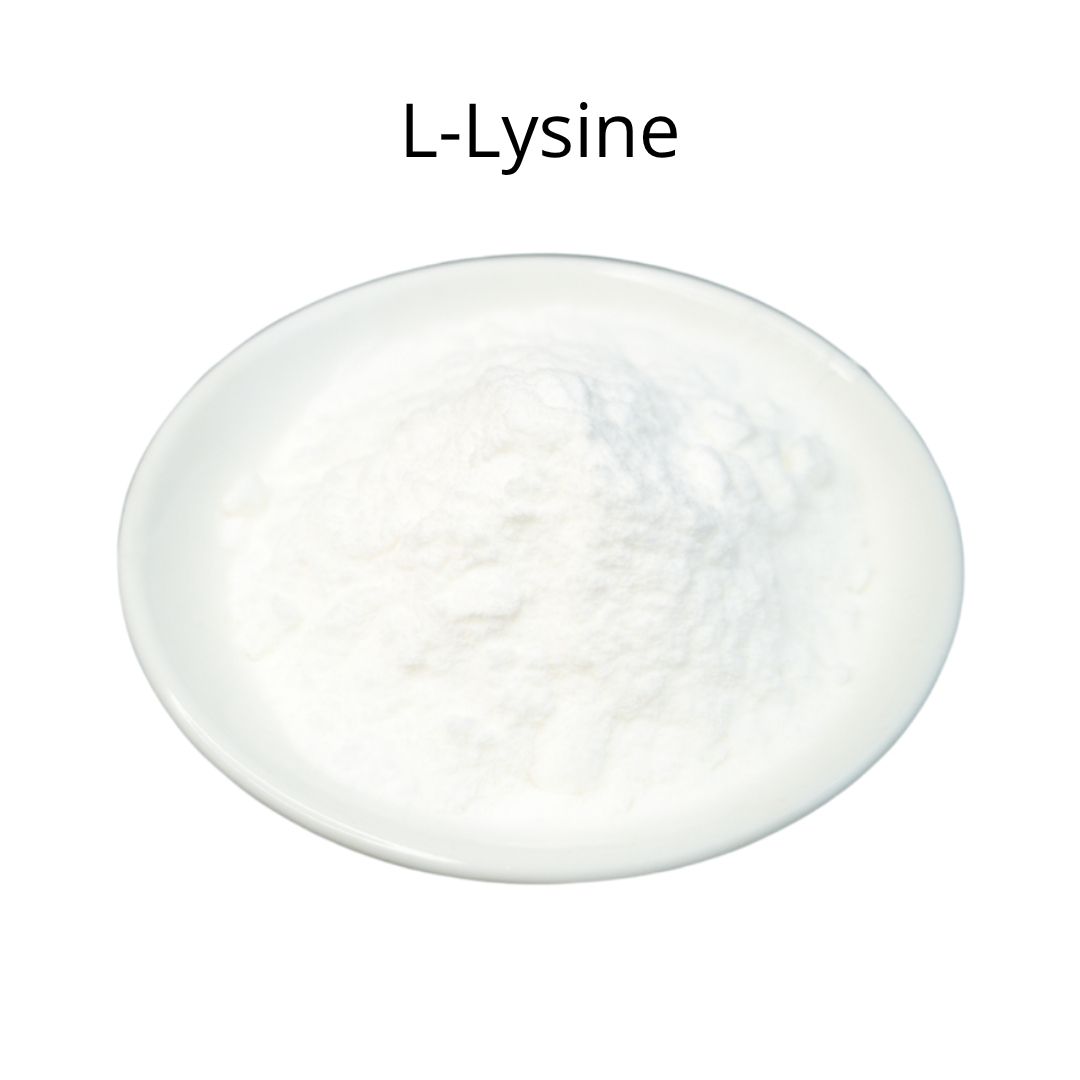
Lysine, an essential amino acid, cannot be synthesized by the human body and must be obtained through diet or supplementation. Its molecular structure features an α-amino group, an α-carboxylic acid group, and a side chain lysyl group, classifying it as a basic, aliphatic amino acid.
Production Process
The industrial production of lysine typically involves microbial fermentation. Corynebacterium glutamicum, a bacterium, is commonly employed. The process begins with selecting a high-yield strain, followed by optimizing the fermentation medium, which usually includes glucose or molasses as a carbon source, and nitrogen sources such as ammonia or urea. Fermentation conditions, like temperature, pH, and oxygen levels, are meticulously controlled to maximize lysine production. After fermentation, the lysine is separated from the fermentation broth through steps including ion exchange, crystallization, and drying to obtain the final product [1].
Effects and Functions
Lysine plays a crucial role in protein synthesis, the process of building and repairing tissues [2]. It is a precursor to carnitine, a nutrient responsible for converting fatty acids into energy and helping lower cholesterol [3]. Moreover, lysine aids in the absorption of calcium, which is essential for bone health [4]. It also supports immune function by participating in the formation of antibodies [5]. Some studies suggest that lysine can help manage herpes simplex virus infections by reducing the frequency and severity of outbreaks [6].
Application Scenarios
Lysine is widely used in the nutritional supplement industry, often added to foods to improve their nutritional value [7]. In pharmaceuticals, lysine is used in intravenous solutions and amino acid preparations [8]. It is also an essential component in animal feed, particularly for swine and poultry, where it promotes growth and improves feed efficiency [9]. Additionally, lysine finds application in cell culture media for research and biopharmaceutical production [10].
Packaging and Storage
Lysine is typically packaged in multi-layer paper bags or fiber drums with polyethylene liners to protect it from moisture and contamination. It should be stored in a cool, dry, and well-ventilated area to maintain its quality and prevent degradation [11]. The storage area should be away from direct sunlight and incompatible substances, such as strong oxidizing agents [11]. Proper storage ensures the stability and efficacy of the product throughout its shelf life.
Citations
- Hermann, T. (2003). Industrial production of amino acids by bacterial fermentation. Journal of Biotechnology, 104(1-3), 155-172.
- Wu, G. (2009). Amino acids: metabolism, functions, and nutrition. Amino Acids, 37(1), 1-17.
- Rebouche, C. J. (1991). Carnitine metabolism and its regulation in mammalian tissues. In Biochemistry and Physiology of Carnitine (pp. 1-27). CRC Press.
- Civitelli, R., Agarwal, S., Rymer, J. A., Lewiecki, E. M., Khan, A. A., Recker, R. R., … & Watts, N. B. (2008). Effect of lysine intake on calcium metabolism in humans. Journal of the American College of Nutrition, 27(5), 627-633.
- Fauci, A. S., Braunwald, E., Kasper, D. L., Hauser, S. L., Longo, D. L., Jameson, J. L., & Loscalzo, J. (2008). Harrison's principles of internal medicine. McGraw-Hill Medical.
- Griffith, R. S., Walsh, D. E., Myrmel, V., Thompson, R. W., & Daly, A. E. (1987). Success of L-lysine therapy in frequently recurrent herpes simplex infection. Treatment and prophylaxis. Dermatologica, 175(4), 183-190.
- FAO. (1991). Protein quality evaluation. Food and Agriculture Organization of the United Nations.
- Martindale, W. (2017). The complete drug reference. Pharmaceutical Press.
- Baker, D. H. (1994). Nutritional modeling of lysine utilization by growing pigs. Journal of Animal Science, 72(2), 459-469.
- Mather, J. P., & Roberts, P. E. (1998). Methods in cell biology. Academic Press.
- European Medicines Agency. (2019). Guideline on excipients in the dossier for application for marketing authorisation of a medicinal product for human use. EMA.

As the plant manager, I focus on the precise formulation and efficient production of food additives. We rigorously control the production process to ensure the quality and safety of each product, meeting industry standards. 🍴