

Product Introduction
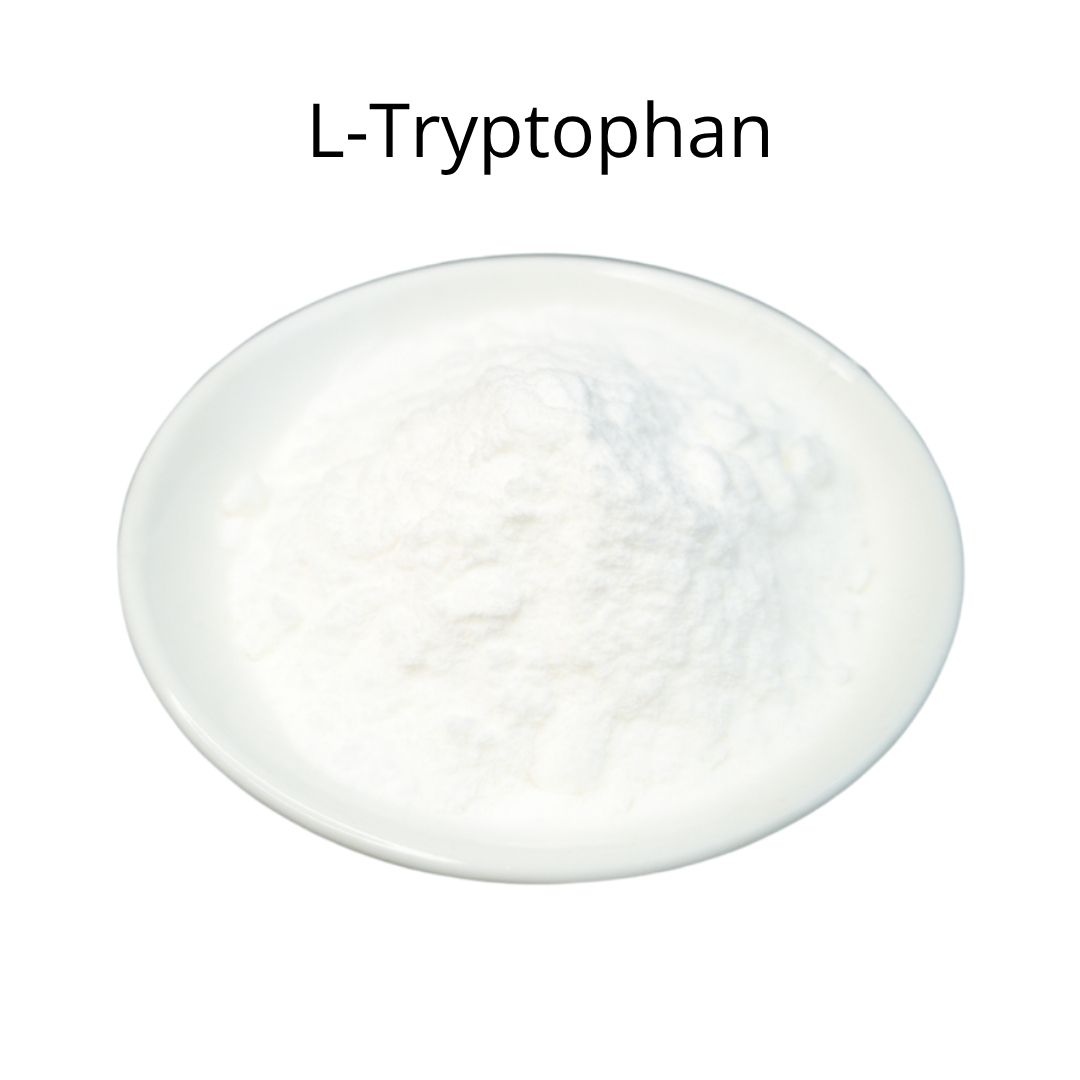
L-Tryptophan, an alpha-amino acid, serves as a building block in protein biosynthesis. As an essential amino acid, it must be obtained through diet or supplementation [1]. It is crucial for the production of serotonin, melatonin, and niacin within the body [2]. Its unique structure and involvement in key metabolic pathways make it a valuable compound in both nutritional and pharmaceutical applications.
Production Process
L-Tryptophan production primarily involves fermentation processes. Microorganisms, such as bacteria, are cultured in a nutrient-rich medium, where they synthesize L-Tryptophan [3]. This is then followed by downstream processing, which includes cell separation, purification, crystallization, and drying to obtain the final product [4]. Advanced purification techniques ensure high purity and quality, meeting stringent industry standards [5].
Effects and Functions
L-Tryptophan is well-known for its role in mental health. It serves as a precursor to serotonin, a neurotransmitter that regulates mood, sleep, and appetite [6]. Supplementation may help in managing symptoms of depression, anxiety, and insomnia [7]. Additionally, it contributes to the production of melatonin, a hormone that regulates sleep-wake cycles [8]. It can also be converted into niacin (vitamin B3) in the body, essential for energy metabolism and neurological function [9].
Application Scenarios
L-Tryptophan finds application across diverse fields. In the nutraceutical industry, it is a common ingredient in dietary supplements aimed at promoting relaxation and improving sleep quality [10]. The pharmaceutical sector utilizes L-Tryptophan as a building block for drug synthesis and in formulations targeting mood disorders. Additionally, it is used in animal feed to enhance growth and well-being in livestock [11].
Packaging and Storage
L-Tryptophan is typically packaged in airtight containers to protect it from moisture and light, which can degrade its quality. Recommended storage conditions include a cool, dry place, away from direct sunlight [12]. Proper packaging and storage are crucial to maintain its stability and efficacy throughout its shelf life [13].
Citations
[1] Richard, D. M., Dawes, A. A., Mathias, C. W., Acheson, A., Hill-Kapturczak, N., & Gruber, J. I. (2009). L-Tryptophan: Basic metabolic functions, behavioral research and therapeutic indications. International Journal of Tryptophan Research, 2, 45–60.
[2] Silber, B. Y., & Schmitt, J. A. J. (2010). Effects of tryptophan loading on human cognition, mood, and behavior. Neuroscience & Biobehavioral Reviews, 34(3), 387–407.
[3] Ikeda, M. (2003). Amino acid production processes. Food Microbiology, 20(3), 261–279.
[4] Leuchtenberger, W., Huthmacher, K., & Drauz, K. (2005). Biotechnological production of amino acids and derivatives: current status and prospects. Applied Microbiology and Biotechnology, 69(1), 1–8.
[5] Crueger, W., & Crueger, A. (2000). Biotechnology: A textbook of industrial microbiology. Panima Publishing Corporation.
[6] Jenkins, T. A., Nguyen, J. C. D., Polglaze, K. E., & Bertrand, P. P. (2016). Influence of Tryptophan and Serotonin on Mood and Cognition with a Possible Role of the Gut-Brain Axis. Nutrients, 8(1), 56.
[7] Birdsall, T. C. (2010). 5-Hydroxytryptophan: a clinically-effective serotonin precursor. Alternative Medicine Review, 5(4), 271–280.
[8] Wurtman, R. J., Axelrod, J. (1965). The pineal gland. Scientific American, 213(1), 50-60.
[9] Gropper, S. S., Smith, J. L., Groff, J. L. (2018). Advanced nutrition and human metabolism. Cengage Learning.
[10] Markus, C. R., Olivier, B., de Haan, E. H. F. (2002). The mood enhancing properties of tryptophan. Biological Psychiatry, 57(10), 1185-1191.
[11] Batterham, E. S. (1992). Availability and utilization of amino acids for growing pigs. Nutrition Research Reviews, 5(1), 1-22.
[12] United States Pharmacopeial Convention. (2023). USP General Notices and Requirements. United States Pharmacopeia.
[13] Connors, K. A. (1990). Chemical stability of pharmaceuticals: A handbook for pharmacists. John Wiley & Sons.

As the plant manager, I focus on the precise formulation and efficient production of food additives. We rigorously control the production process to ensure the quality and safety of each product, meeting industry standards. 🍴