

Product Introduction
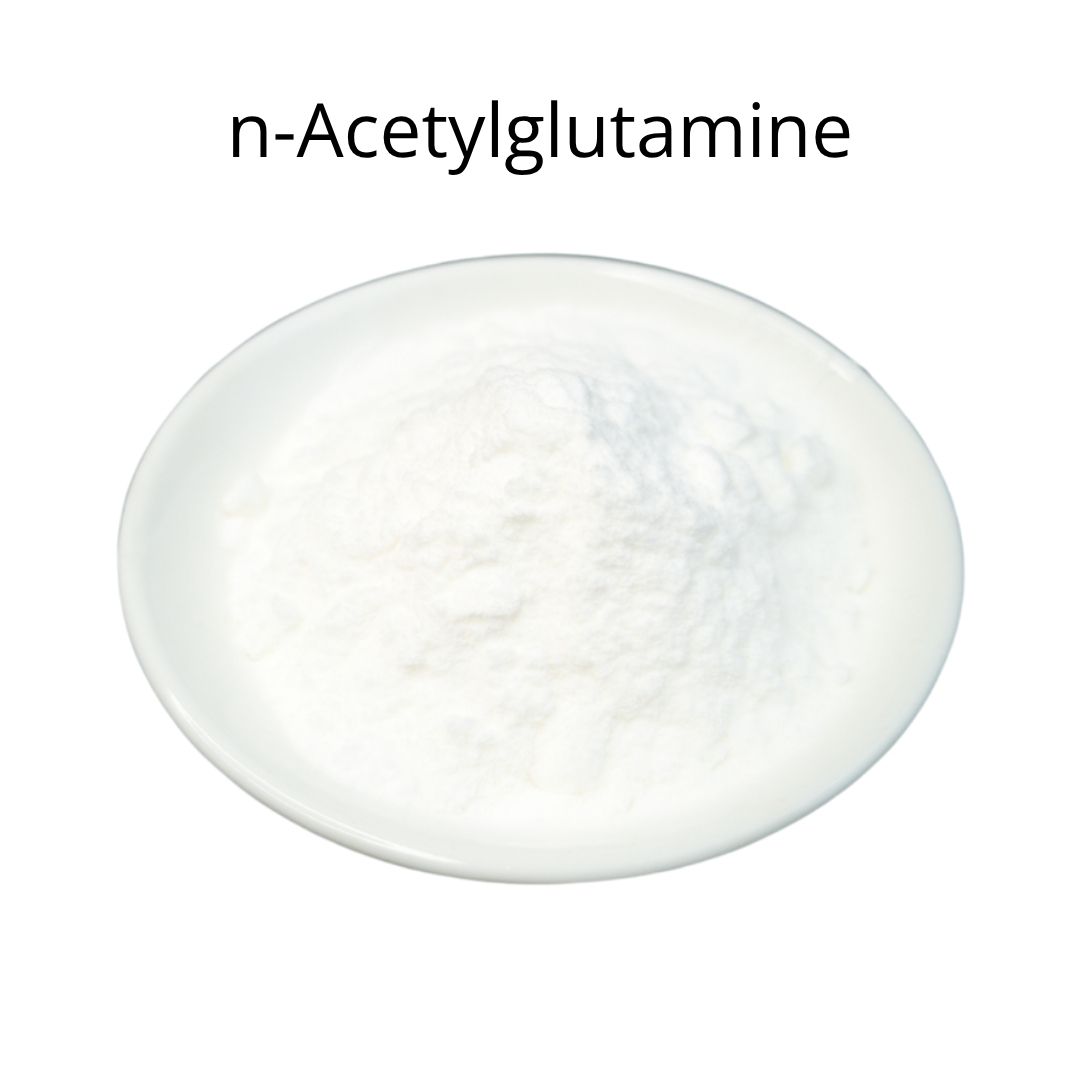
N-Acetylglutamine, also known as N-Acetyl-L-Glutamine or NAG, is a derivative of the amino acid L-Glutamine. It is produced by acetylating glutamine, which enhances its stability and absorption properties compared to free L-Glutamine [1]. NAG is utilized in various applications, including pharmaceuticals, nutritional supplements, and cosmetics, due to its unique biochemical properties.
Production Process
The production of N-Acetylglutamine typically involves the N-acetylation of L-Glutamine. The most common method includes reacting L-Glutamine with an acetylating agent, such as acetic anhydride, in a controlled chemical environment [2]. This reaction is generally performed in a solvent, with the pH carefully monitored to favor the formation of the N-acetyl derivative while minimizing side reactions. The reaction mixture is then purified through crystallization or other separation techniques. Finally, the purified N-Acetylglutamine is dried and milled to achieve the desired particle size and consistency.
Effects and Functions
N-Acetylglutamine possesses several notable effects and functions. As a glutamine derivative, it supports the body's nitrogen balance and serves as a substrate for protein synthesis [3]. Studies suggest that NAG may enhance immune function and provide support for the intestinal lining. In cosmetics, it acts as a skin-conditioning agent.
Application Scenarios
N-Acetylglutamine is used across multiple sectors. In the pharmaceutical industry, it serves as an intermediate for drug synthesis. In nutritional supplements, it is included in formulations designed to support gut health and immune function. In cosmetics, NAG is found in skincare products aimed at moisturizing and conditioning the skin [4].
Packaging and Storage
N-Acetylglutamine should be packaged in airtight containers to prevent moisture absorption and contamination. It is recommended to store the product in a cool, dry place, away from direct sunlight and extreme temperatures. Following these storage guidelines helps maintain the stability and purity of N-Acetylglutamine throughout its shelf life [5].
Citations
[1] Cruzat, V., Macedo Rogero, M., Noel Keane, K., Curi, R., & Newsholme, P. (2018). Glutamine: Metabolism and Immune Function, Supplementation and Clinical Translation. Nutrients, 10(11), 1564.
[2] Gill, B. S., & Pendse, G. S. (1964). Acetylation with Acetic Anhydride. Chemistry & Industry, 44, 1877-1878.
[3] Calder, P. C. (2006). Glutamine and immune function. Amino Acids, 30(4), 331–350.
[4] Bissett, D. L. (2006). Common cosmeceuticals. Clinics in Dermatology, 24(6), 467–494.
[5] Food and Drug Administration. (2023). Current Good Manufacturing Practice (CGMP) Regulations. Retrieved from https://www.fda.gov/regulatory-information/good-manufacturing-practice-cgmps/current-good-manufacturing-practice-cgmp-regulations

As the plant manager, I focus on the precise formulation and efficient production of food additives. We rigorously control the production process to ensure the quality and safety of each product, meeting industry standards. 🍴