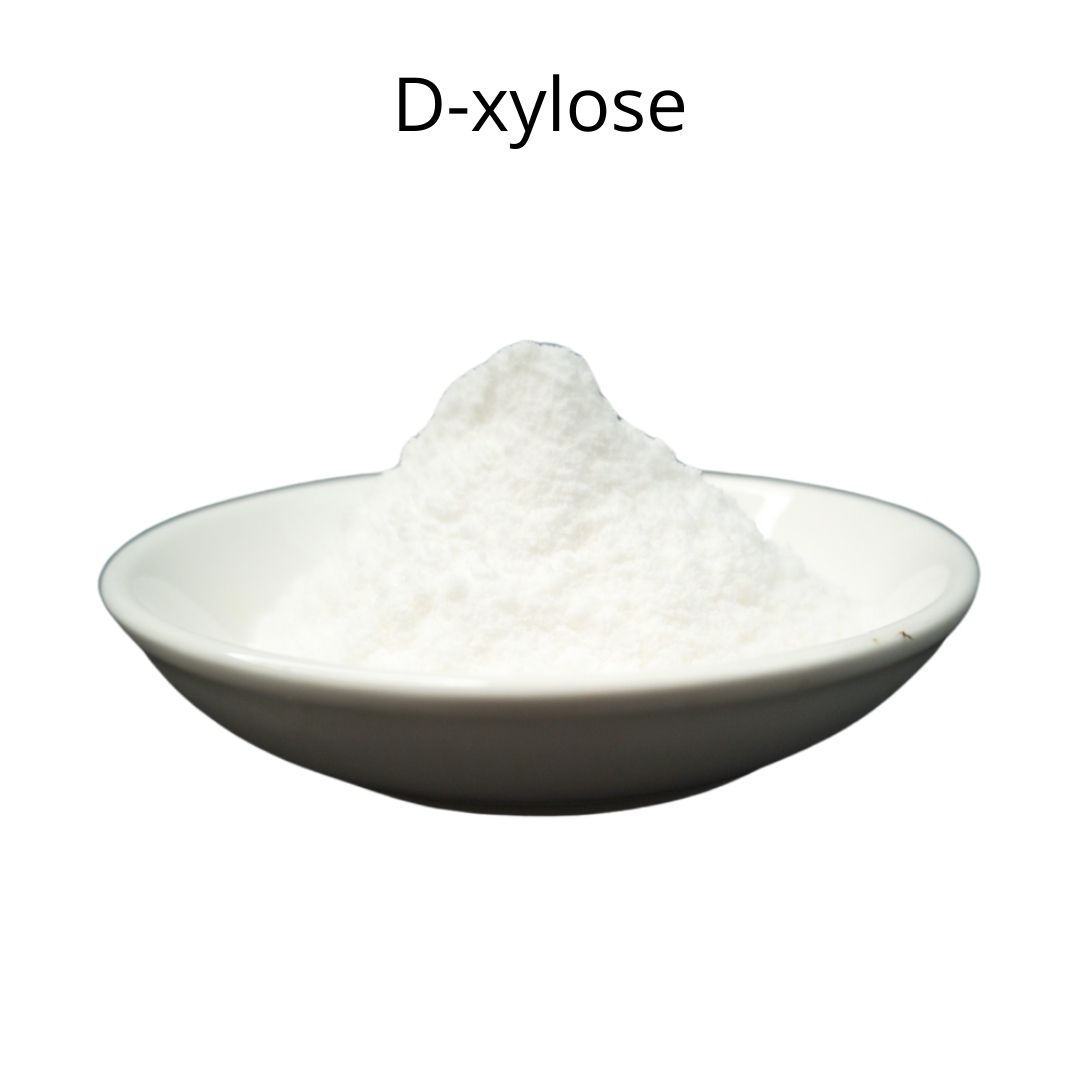


Product Introduction
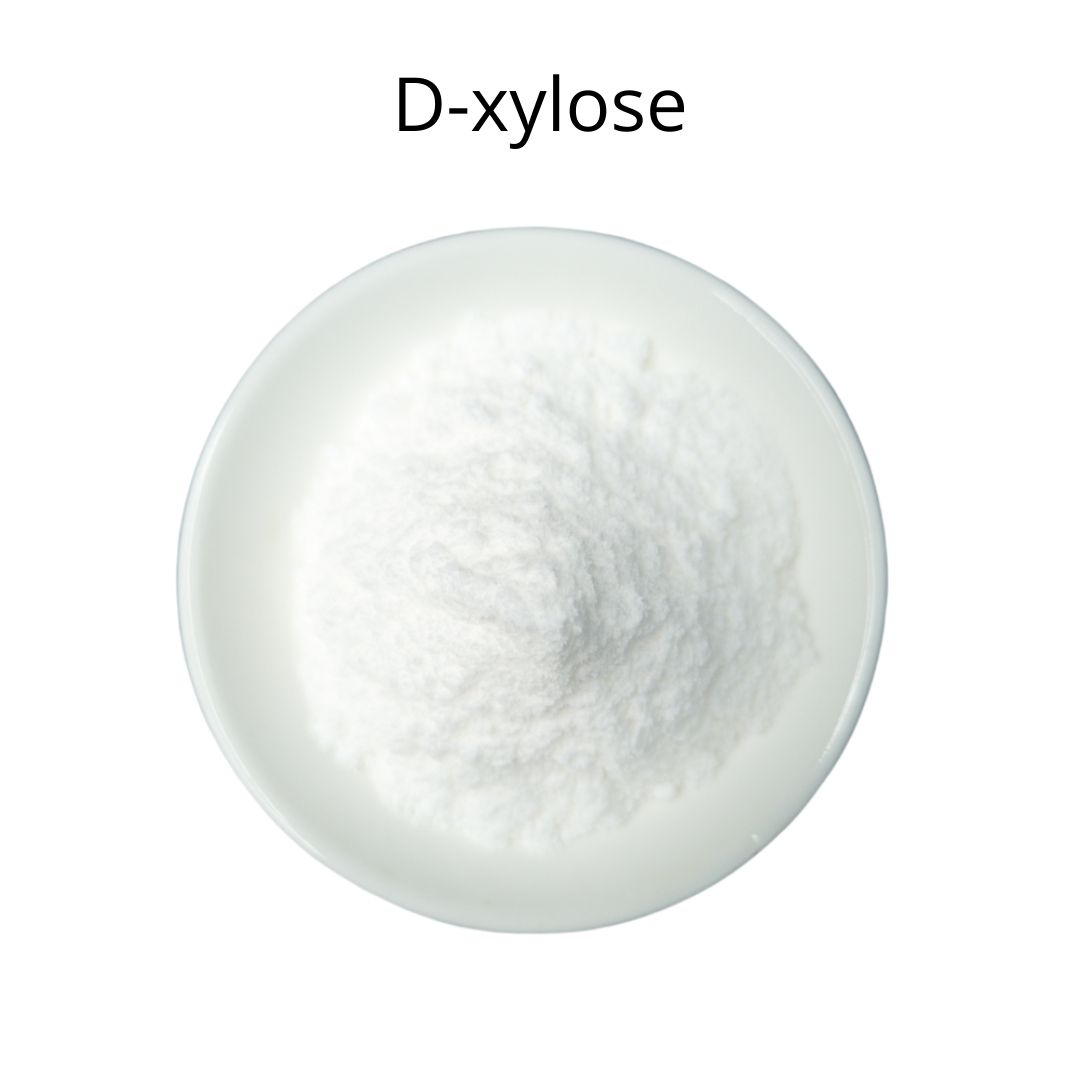
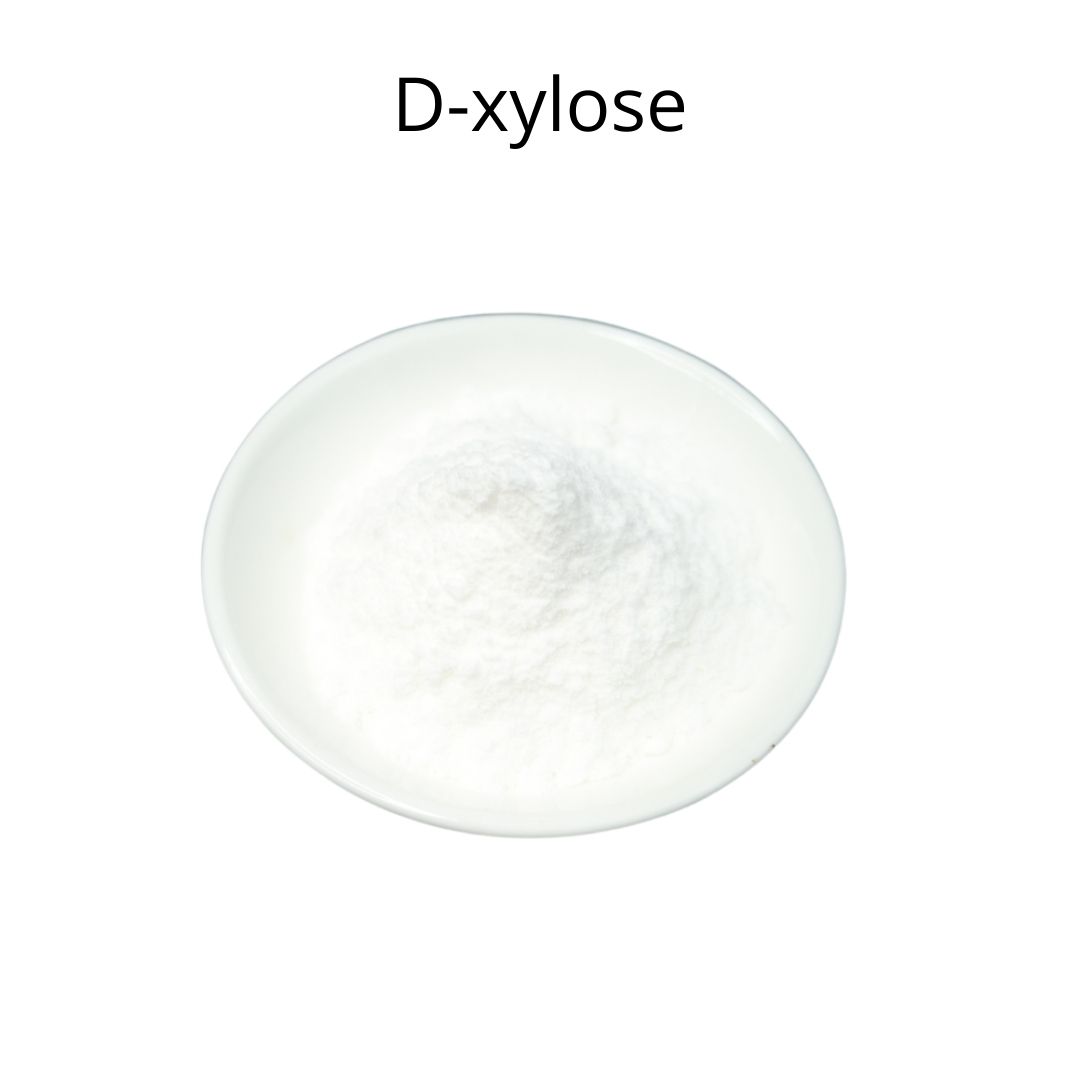
D-xylose is a monosaccharide, specifically a pentose sugar, that is found naturally in various plants and woods, hence the alias "wood sugar." It holds significance, and D-xylose is involved in various metabolic pathways [1]. D-xylose is also used because of its unique properties related to absorption in the human body [2].
Product Manufacturing Process
The production of D-xylose typically involves the hydrolysis of hemicellulose, found in agricultural residues like corn cobs or wood chips. The hemicellulose is treated with acid or enzymes to break it down into its constituent sugars, including D-xylose. The resulting solution is then purified, decolorized, and crystallized to obtain pure D-xylose [3]. Alternatively, biotechnological methods employing microbial fermentation can be used to produce D-xylose from biomass [4].
Product Applications
D-xylose has several applications across different industries. In the food industry, it can be used as a non-nutritive sweetener and flavor enhancer, and it can also be used as a precursor for the production of xylitol, a sugar alcohol [5]. In the pharmaceutical industry, D-xylose is used in diagnostic tests to assess intestinal absorption [2]. It is also employed as a chiral building block in chemical syntheses [6].
Packaging and Storage
D-xylose should be packaged in airtight containers to prevent moisture absorption and contamination. It is recommended to store the product in a cool, dry place, away from direct sunlight and extreme temperatures to maintain its quality and stability. Proper storage conditions ensure that the D-xylose remains stable and retains its properties throughout its shelf life [7].
Citations:
[1] Deng, Y., et al. "Metabolic engineering of Escherichia coli for D-xylose utilization." Biotechnology for Biofuels 7.1 (2014): 1-13.
[2] Butt, N. T., et al. "D-xylose absorption test." Journal of the College of Physicians and Surgeons Pakistan 23.1 (2013): 68-69.
[3] Saha, B. C. "Hemicellulose bioconversion." Journal of industrial microbiology & biotechnology 30.5 (2003): 279-291.
[4] Zhang, M., et al. "Microbial production of xylose and its utilization." Applied Microbiology and Biotechnology 104.9 (2020): 3821-3833.
[5] Prakasham, R. S., et al. "Xylitol production by microbial fermentation." Applied Microbiology and Biotechnology 86.1 (2010): 15-25.
[6] Yu, Y., et al. "Synthesis and application of xylose-derived chiral building blocks." Tetrahedron: Asymmetry 28.15 (2017): 2023-2039.
[7] Hodge, H. M., et al. Quality Control for Food Industry. Springer, 2012.

As the plant manager, I focus on the precise formulation and efficient production of food additives. We rigorously control the production process to ensure the quality and safety of each product, meeting industry standards. 🍴