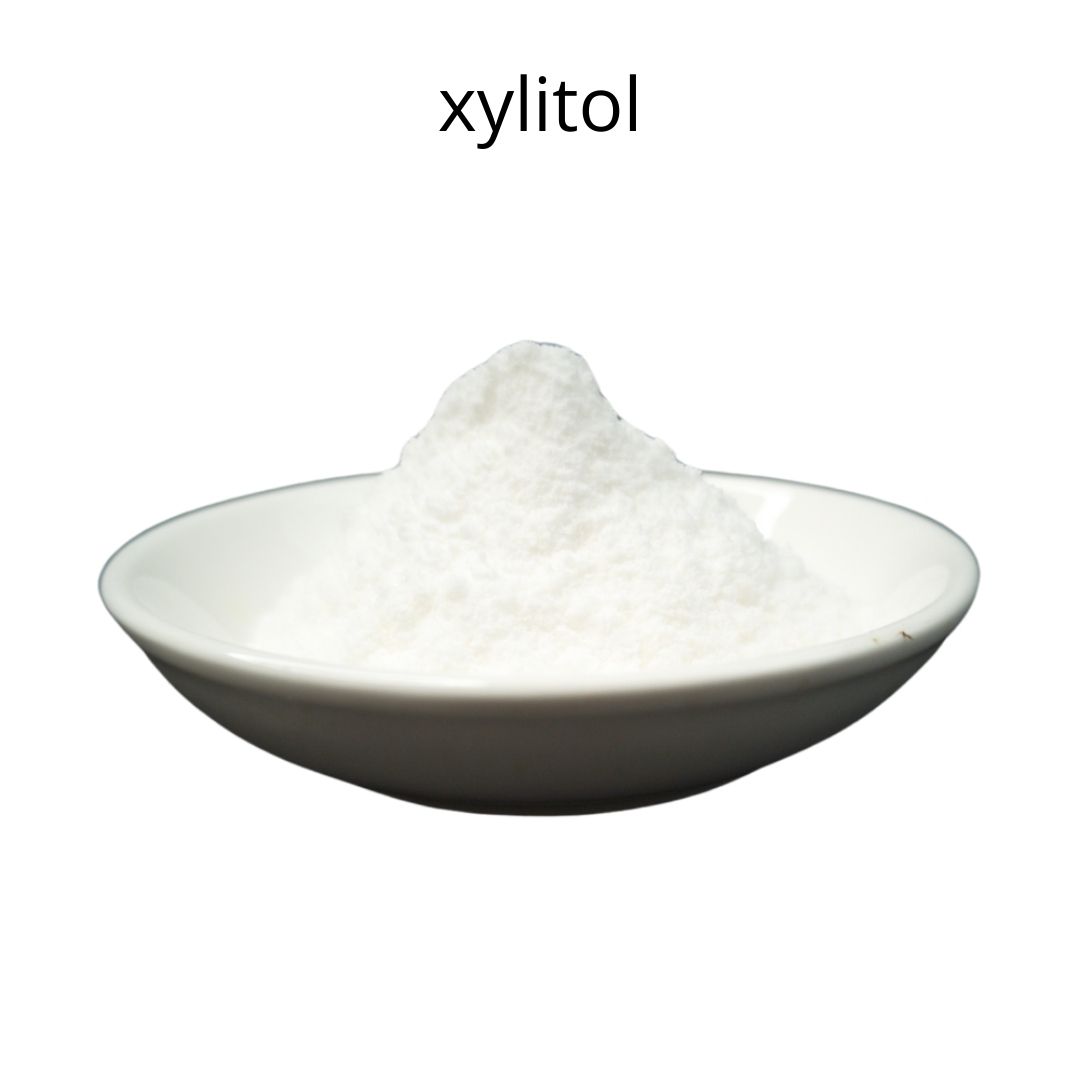


Product Introduction
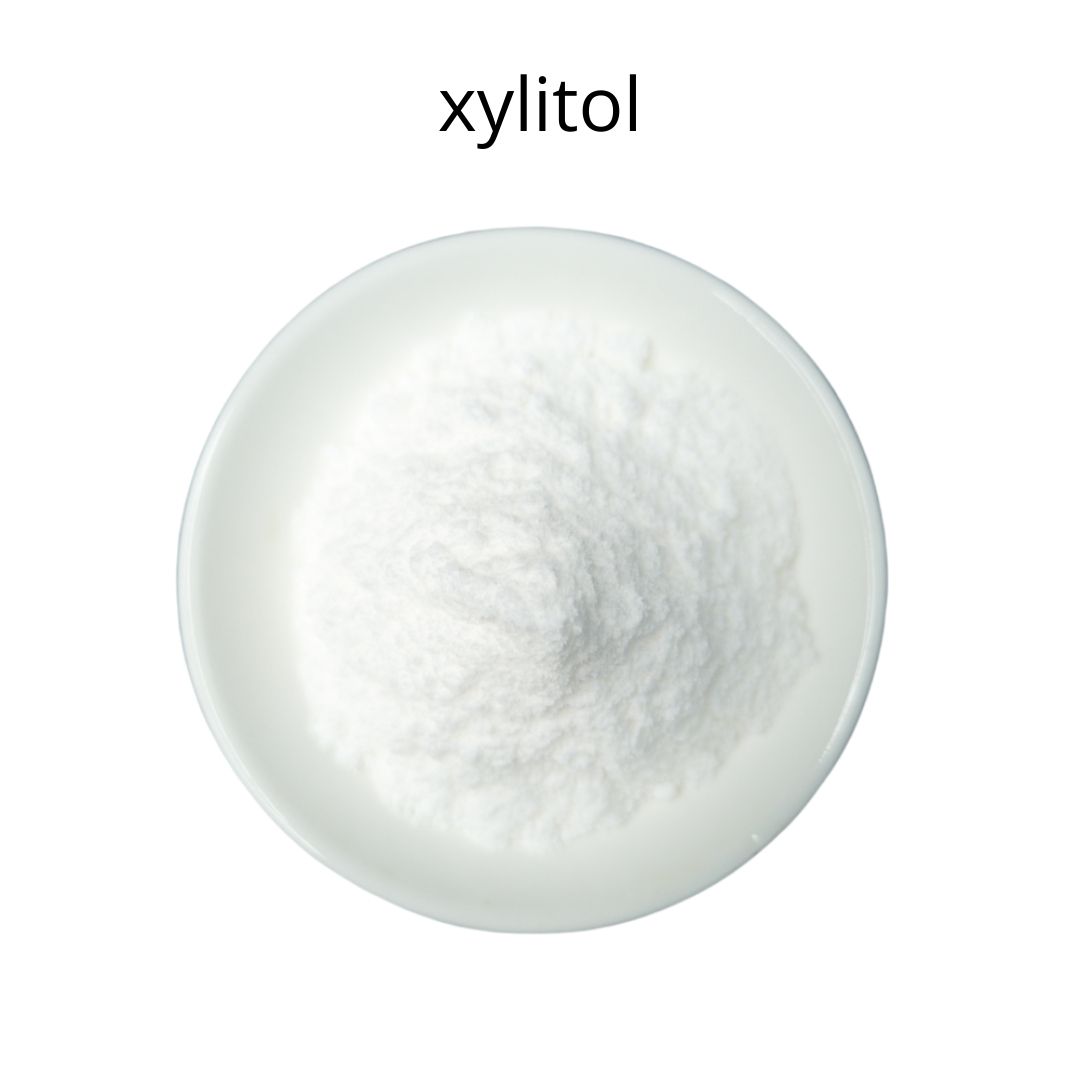
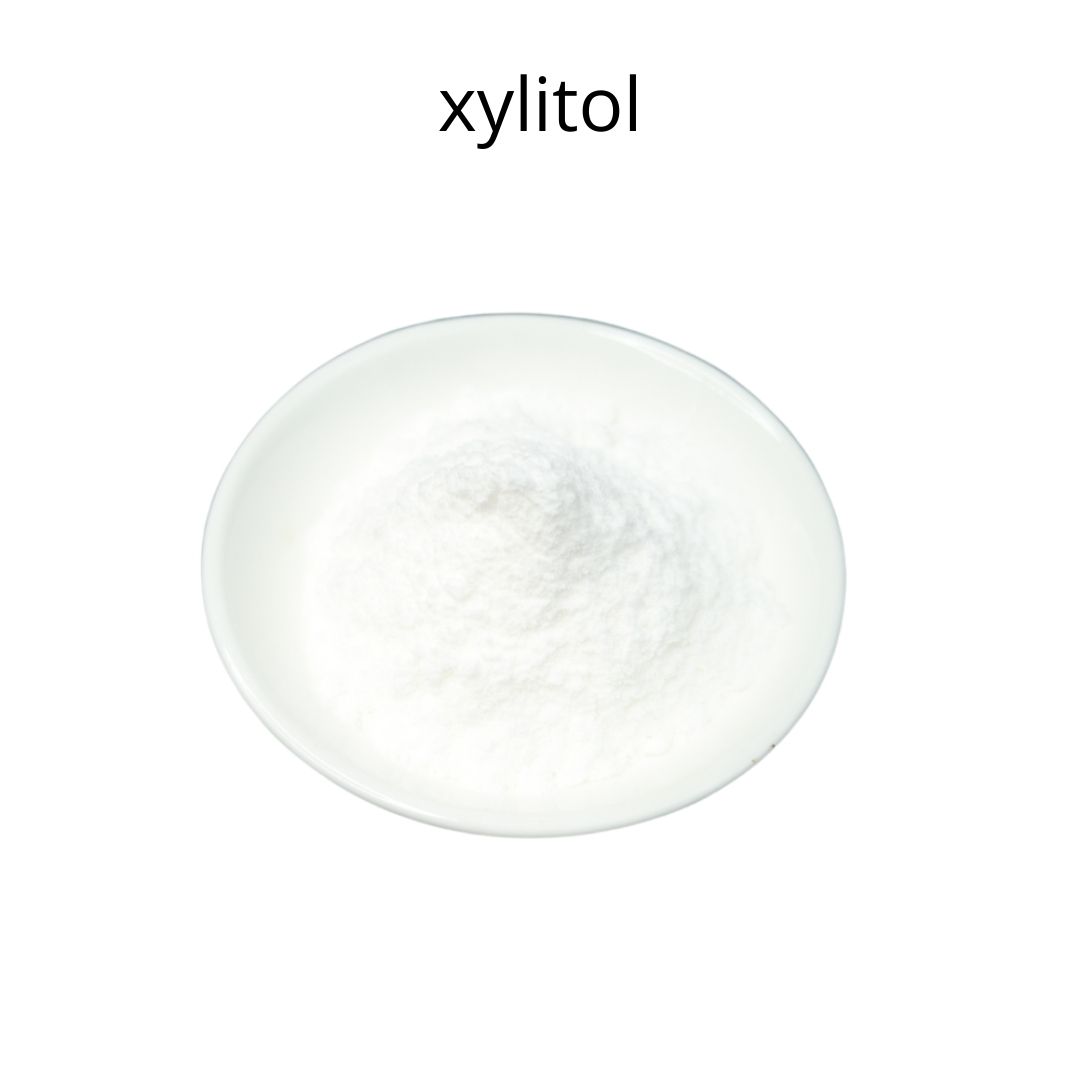
Xylitol is a naturally occurring sugar alcohol, found in many fruits and vegetables, and is even produced by the human body. It is widely used as a sugar substitute due to its sweet taste and lower calorie content, offering a refreshing and cooling sensation. Xylitol is known for its dental benefits and is commonly added to oral care products.
Product Manufacturing Process
The manufacturing process of xylitol typically begins with xylan-rich biomass, such as hardwood or corn cobs. This biomass undergoes hydrolysis, a process that breaks down xylan into xylose. The xylose is purified and then subjected to catalytic hydrogenation, which converts xylose into xylitol. The resulting xylitol solution is then crystallized, separated, and dried to produce the final crystalline product.
Product Applications
Xylitol sees widespread use in the food industry, particularly in sugar-free confections, chewing gum, and baked goods. Its sweetness and low-calorie profile make it an appealing alternative to sucrose. In the pharmaceutical industry, xylitol is used in syrups and lozenges, and is also used in oral hygiene products such as toothpaste and mouthwash because it inhibits the growth of Streptococcus mutans, a bacterium responsible for tooth decay. [1] It is also being explored for potential benefits in managing conditions like diabetes, although more research is needed.
Packaging and Storage
Xylitol should be packaged in airtight containers to prevent moisture absorption, since it is hygroscopic. It should be stored in a cool, dry place, away from direct sunlight and excessive heat, which can cause degradation, with the recommended storage temperature normally below 25°C(77°F). Proper packaging and storage will help maintain the quality and stability of the product over its shelf life of two years.
Citations:
[1] "Xylitol in preventing acute otitis media in children". Cochrane Database of Systematic Reviews. 2011.

As the plant manager, I focus on the precise formulation and efficient production of food additives. We rigorously control the production process to ensure the quality and safety of each product, meeting industry standards. 🍴