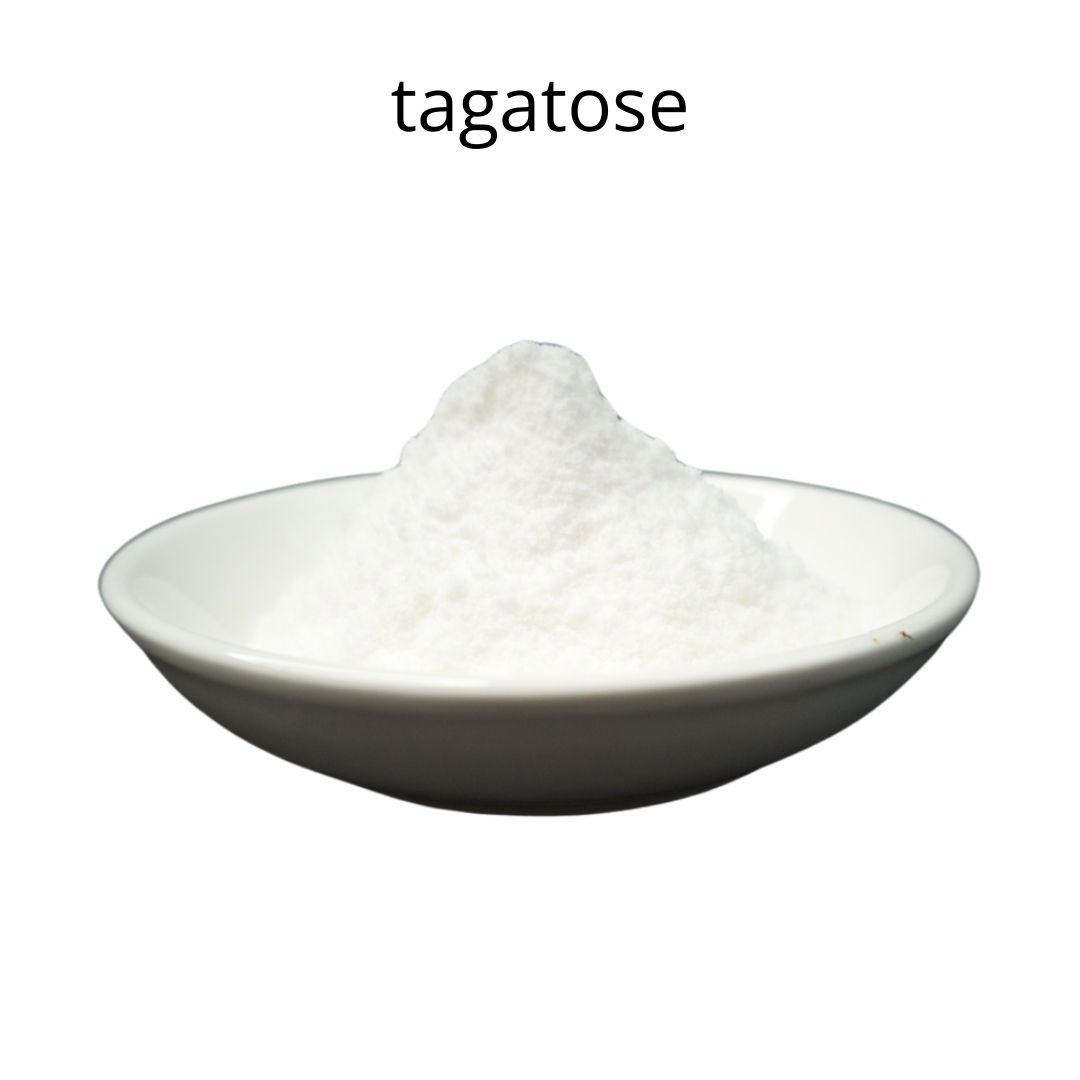


Product Introduction
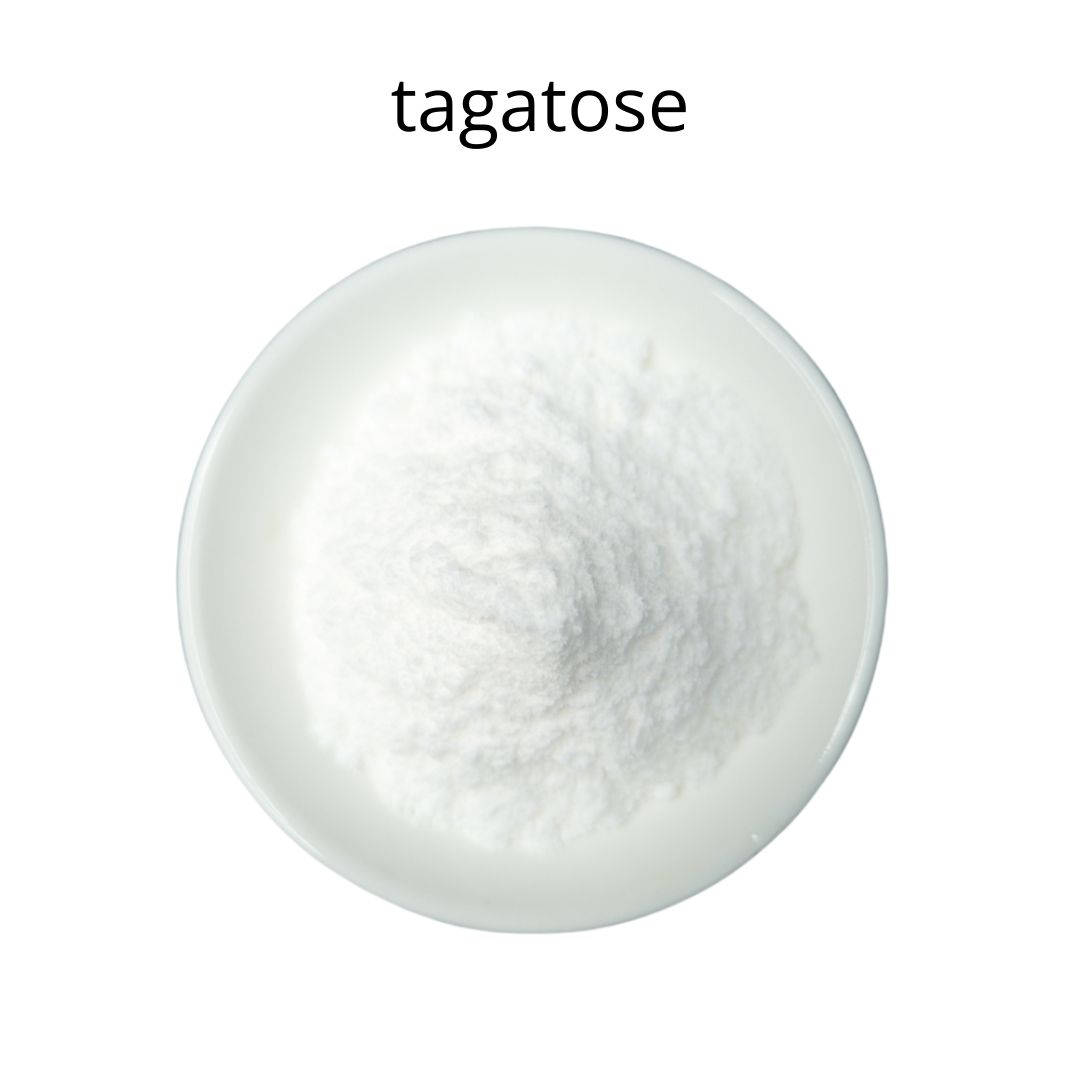
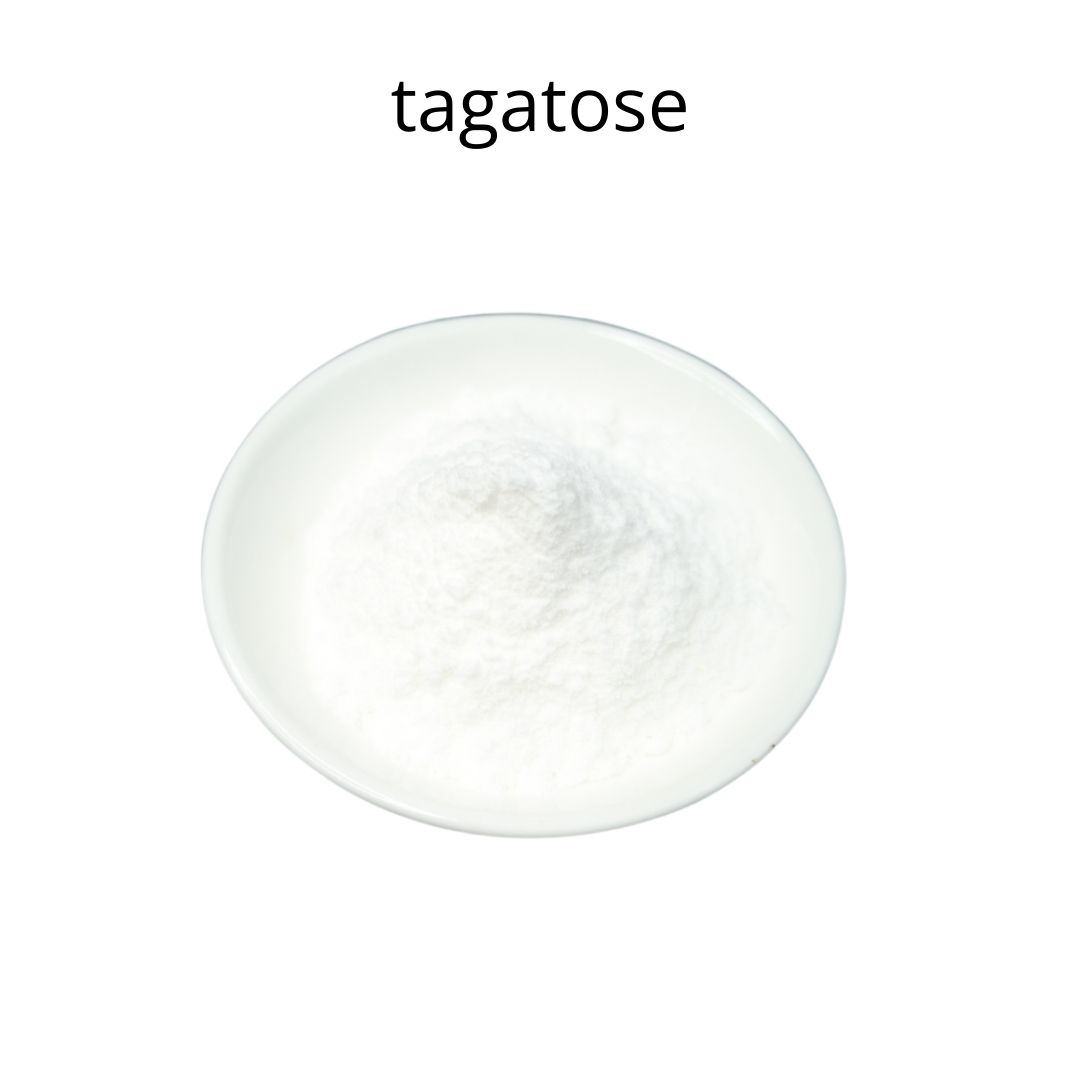
Tagatose is a naturally occurring monosaccharide, a type of simple sugar, found in small quantities in some fruits, such as apples, oranges, and pineapples, and in dairy products, it is similar in structure to fructose. Tagatose has gained attention as a low-calorie sweetener and functional ingredient because of its unique metabolic properties and health benefits [1]. It has approximately 92% of the sweetness of sucrose, but only about 38% of the calories, making it an attractive alternative for those looking to reduce their sugar and calorie intake [2].
Product Manufacturing Process
Tagatose is commercially produced through the enzymatic isomerization of galactose, which is derived from lactose [3]. The process involves several steps. First, lactose is hydrolyzed to produce galactose and glucose. The galactose is then purified and isomerized to tagatose using an enzyme, typically a modified form of L-arabinose isomerase [4]. The resulting tagatose solution is then purified, concentrated, and crystallized. The crystals are dried and milled to the desired particle size [5]. This enzymatic conversion ensures a high purity and yield of the final tagatose product.
Product Applications
Tagatose finds application in a variety of products across different industries, it is commonly used in the food and beverage industry as a sweetener in low-calorie and diabetic-friendly products [6]. It can be found in beverages, baked goods, dairy products, and confectioneries [7]. Tagatose is also used in the pharmaceutical industry as an excipient and a potential therapeutic agent because it has prebiotic properties, meaning that it can promote the growth of beneficial gut bacteria, thereby improving digestive health [8]. Additionally, it functions as a stabilizer and texturizer in various formulations [9].
Packaging and Storage
Tagatose should be packaged in airtight containers to prevent moisture absorption and maintain its quality. It should be stored in a cool, dry place, away from direct sunlight and strong odors. The recommended storage conditions are typically at temperatures below 25°C and relative humidity below 65%. Under these conditions, tagatose has a shelf life of approximately two years from the date of manufacture, ensure the stability and efficacy of the product during its intended use [10]. Proper packaging and storage are essential.
Citations
- Ahuja, U., & Rawat, D. (2015). Tagatose: Properties, applications and potential for new product development. Critical Reviews in Food Science and Nutrition, 55(8), 1068-1077.
- Levin, G. V. (2002). Tagatose, the new GRAS sweetener and health product. Journal of the American College of Nutrition, 21(sup5), 183S-188S.
- Kim, Y. B., Kim, D. H., Kim, H. S., Seo, J. H., & Oh, D. K. (2015). Recent advances in biological production of D-tagatose. Applied Microbiology and Biotechnology, 99(16), 6649-6659.
- Zhang, Z., Xiao, Y., Zeng, Y., Zhang, T., & Zhou, Y. (2020). Production of D-tagatose: Current status and future prospects. Trends in Food Science & Technology, 97, 280-290.
- পণ্যা, S., & Bucke, C. (2016). Production of tagatose – A review. Food Chemistry, 192, 847-856.
- Jung, J. H., Kim, J. H., Lee, S. J., & Park, C. S. (2017). Physicochemical properties of d-tagatose and its applications in food industry. Food Science and Biotechnology, 26(5), 917-926.
- Taylor, L. S., & MacMillan, F. H. (2015). Tagatose: A novel sweetening agent and prebiotic. Journal of Functional Foods, 18, 869-881.
- Bertelsen, H., et al. (2019). Tagatose supplementation modulates gut microbiota composition and reduces colon inflammation in mice. Journal of Nutritional Biochemistry, 63, 137-145.
- Ekstrand, B., et al. (2018). Tagatose as a stabilizer of protein formulations. European Journal of Pharmaceutics and Biopharmaceutics, 127, 245-252.
- Ahrens, M. J., De Castro, R. J., & Saraiva, S. H. (2021). Stability of tagatose in food model systems. LWT, 138, 110453.

As the plant manager, I focus on the precise formulation and efficient production of food additives. We rigorously control the production process to ensure the quality and safety of each product, meeting industry standards. 🍴