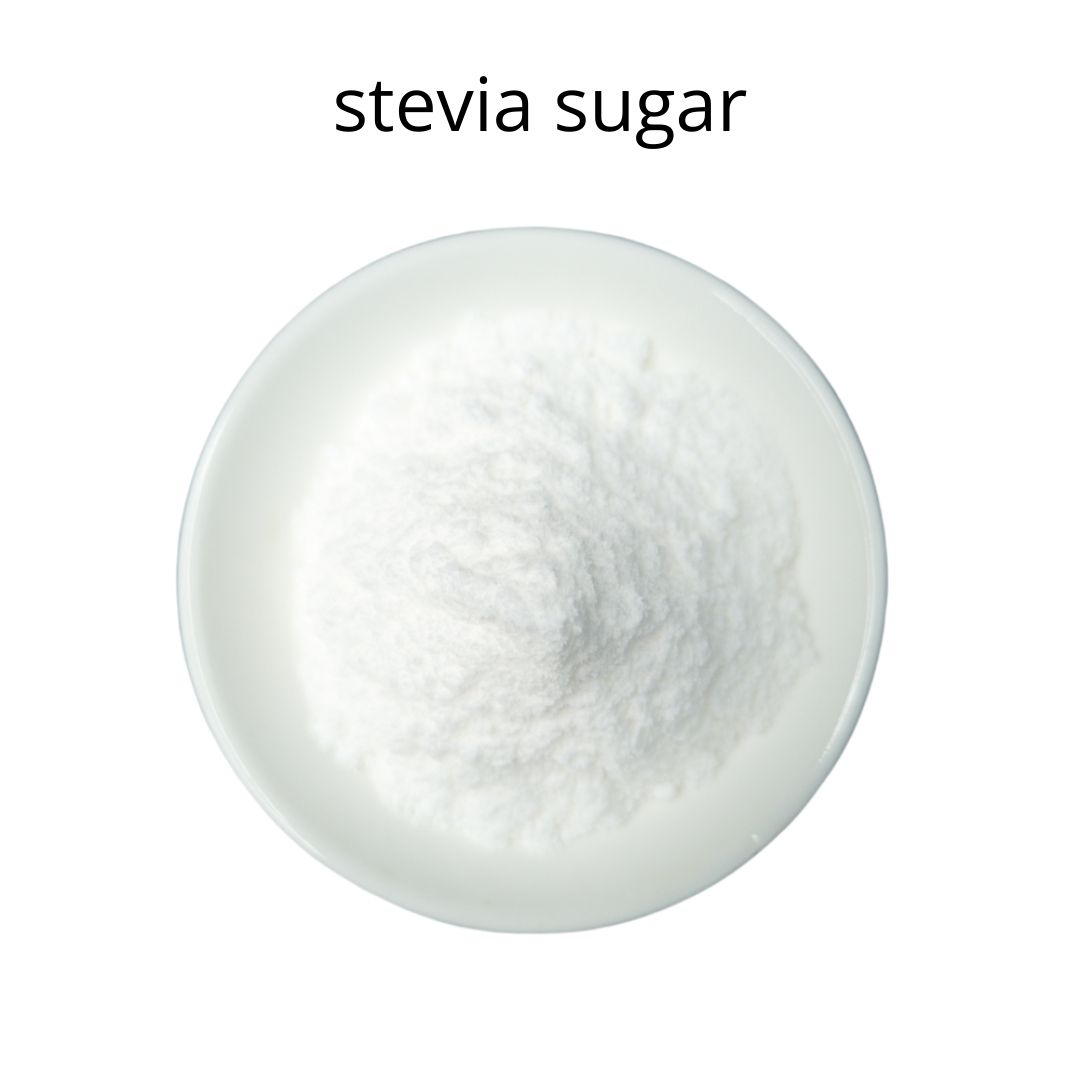
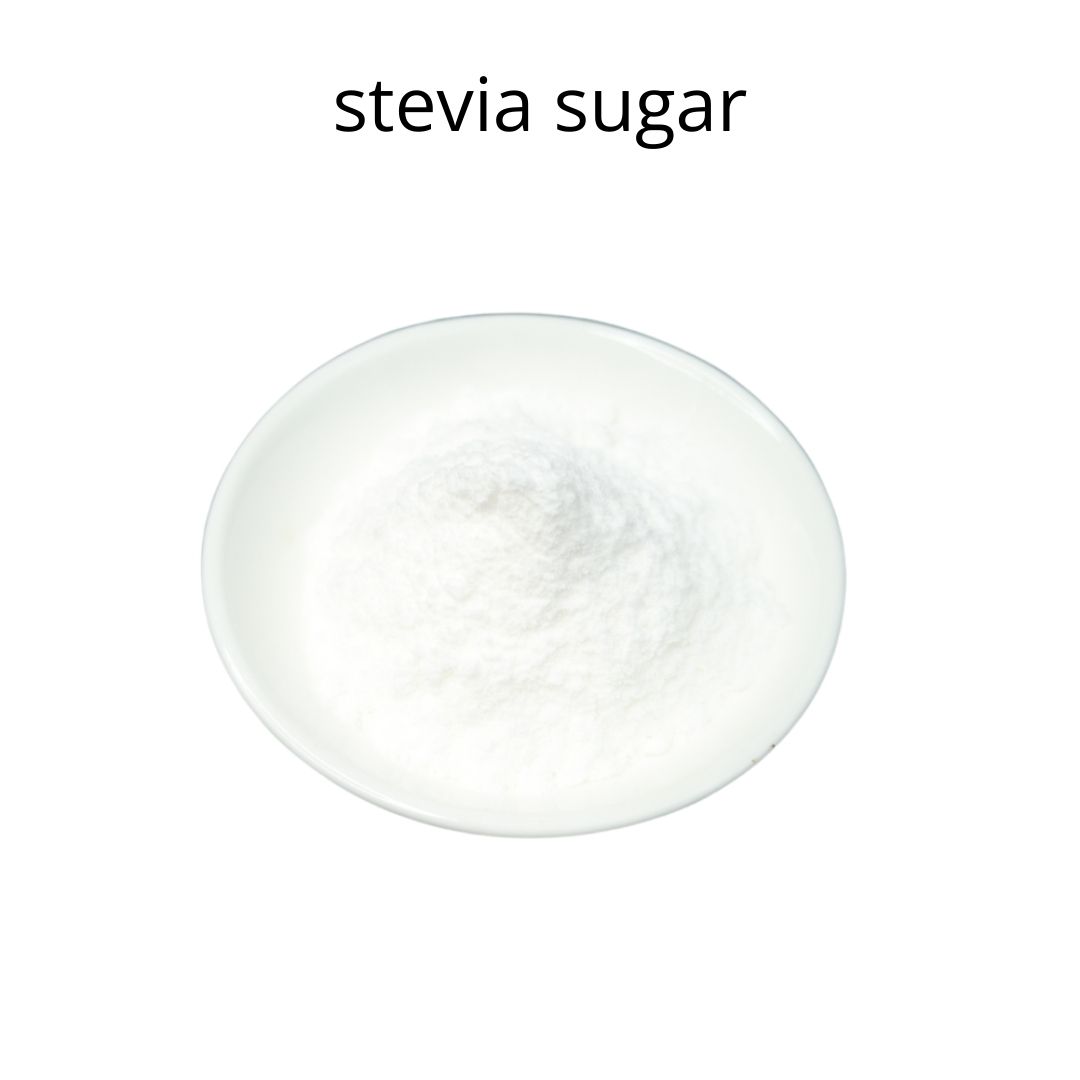
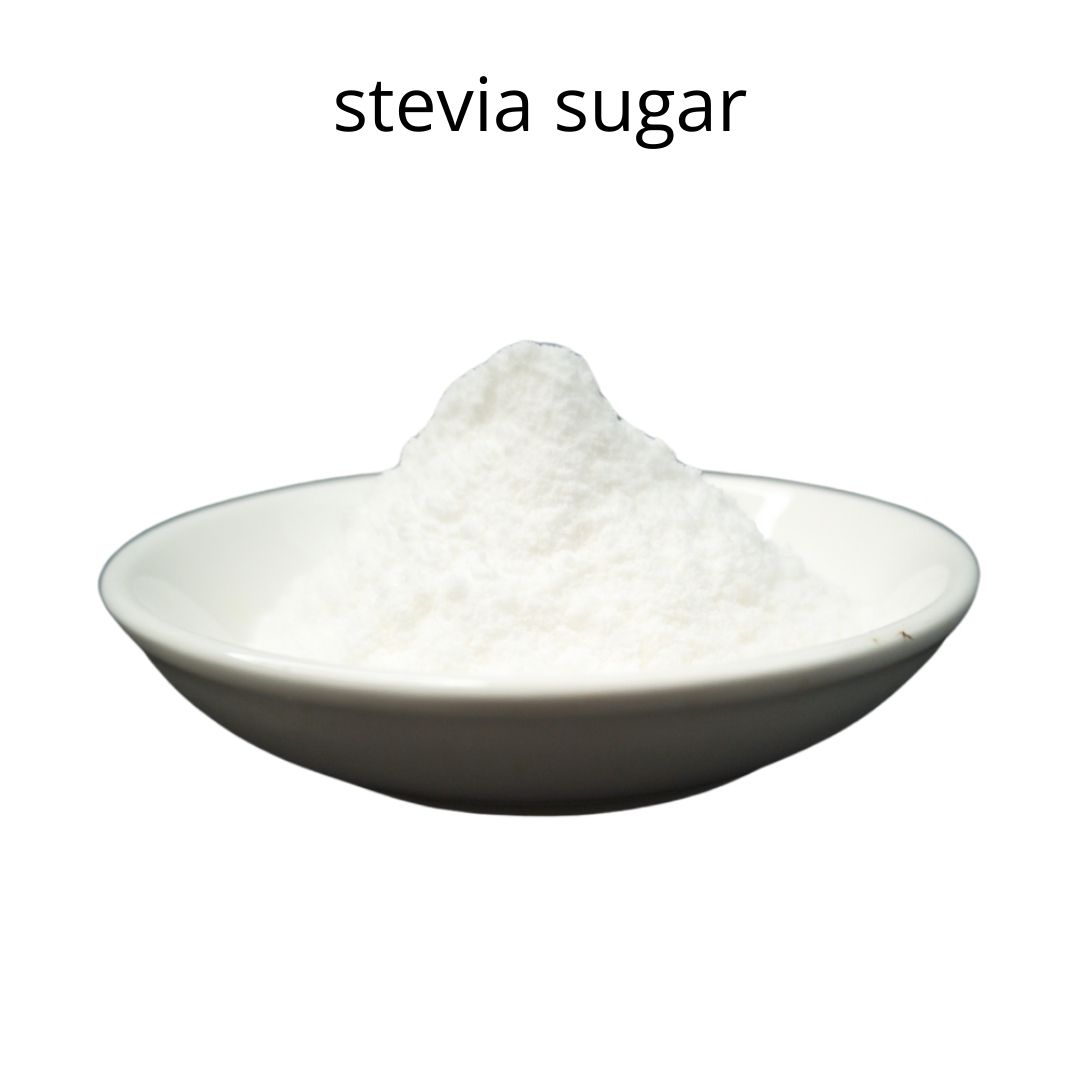


Stevia sugar, commonly known as steviol glycosides, is a natural sweetener extracted from the leaves of the Stevia rebaudiana plant. It is characterized by its intense sweetness, being significantly sweeter than sucrose, and is often used as a sugar substitute in various food and beverage products [1]. The appearance of stevia sugar is typically a white to off-white powder, making it easy to blend into different formulations.
The manufacturing process of stevia sugar involves several key steps to extract and purify the steviol glycosides. The process begins with harvesting the Stevia rebaudiana leaves, followed by drying and extracting the glycosides using water or ethanol [2]. The extract then undergoes a series of purification steps, including filtration, precipitation, and crystallization, to isolate the desired steviol glycosides, such as Rebaudioside A and Stevioside. This refined extract is then dried to produce the final stevia sugar product [3].
Stevia sugar finds extensive application in the food and beverage industry as a low-calorie sweetener. It is used in a variety of products, including soft drinks, juices, dairy products, baked goods, and confectionery [4]. Due to its high sweetness intensity and minimal impact on blood glucose levels, it is also popular among individuals managing diabetes or seeking to reduce their sugar intake [5]. As a natural alternative to artificial sweeteners, stevia sugar continues to gain traction in the health and wellness market.
Stevia sugar is typically packaged in airtight containers to protect it from moisture and light, which can degrade its quality. It should be stored in a cool, dry place to maintain its stability and prevent clumping [6]. Following these storage guidelines ensures that the product retains its sweetness and remains suitable for use throughout its stated shelf life, which is generally two years from the date of manufacture.
Citations:
[1] https://www.ncbi.nlm.nih.gov/pmc/articles/PMC8778232/
[2] https://pubmed.ncbi.nlm.nih.gov/32439073/
[3] https://www.sciencedirect.com/topics/agricultural-and-biological-sciences/steviol-glycosides
[4] https://www.ingredion.com/na/en-us/literature/white-papers/formulating-with-stevia-sweeteners-white-paper.html
[5] https://www.mayoclinic.org/healthy-lifestyle/nutrition-and-healthy-eating/expert-answers/stevia/faq-20057848
[6] https://www.fooddive.com/news/fda-accepts-cargills-stevia-innovation-paving-way-for-sweeter-zero-calorie/564598/

As the plant manager, I focus on the precise formulation and efficient production of food additives. We rigorously control the production process to ensure the quality and safety of each product, meeting industry standards. 🍴