

Product Introduction
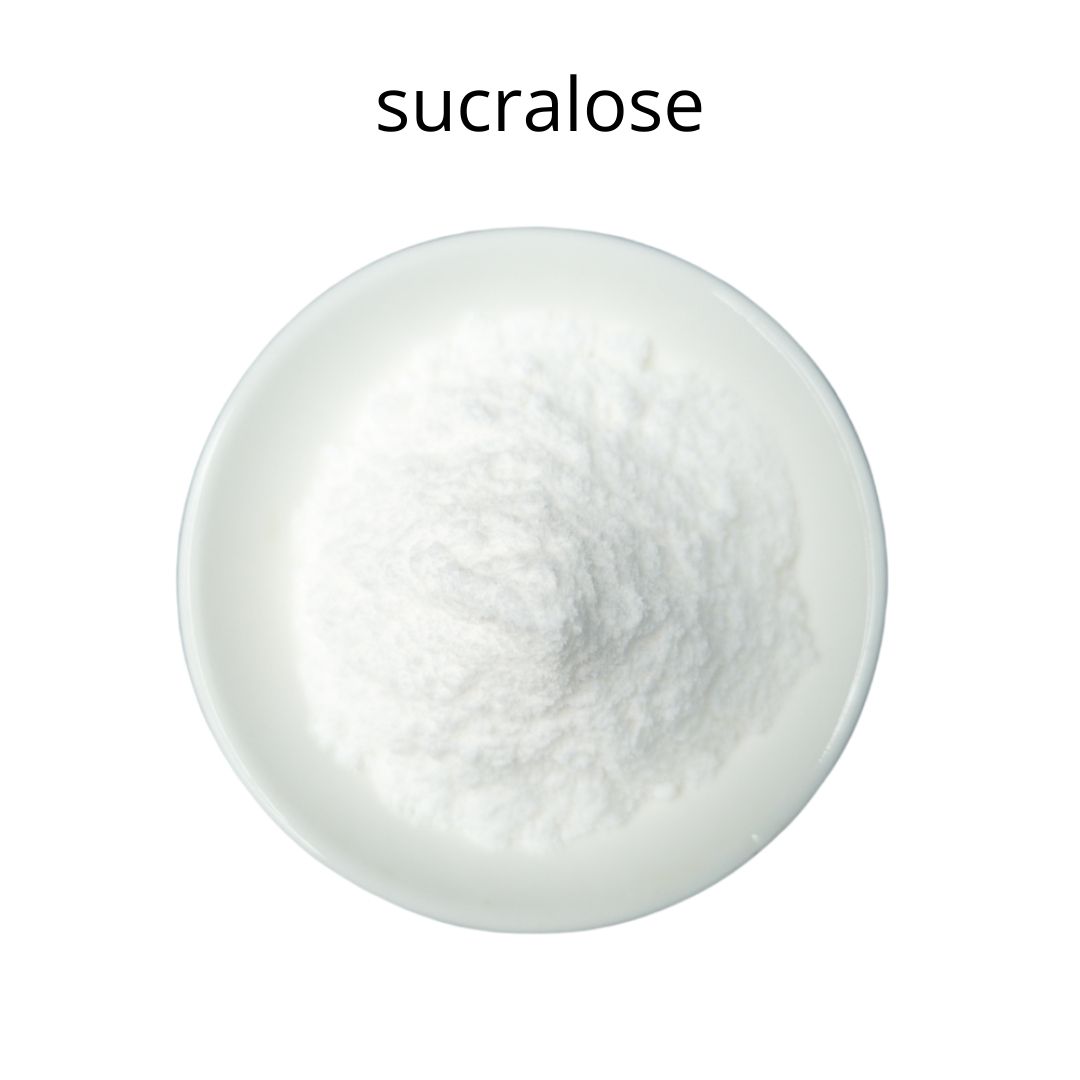
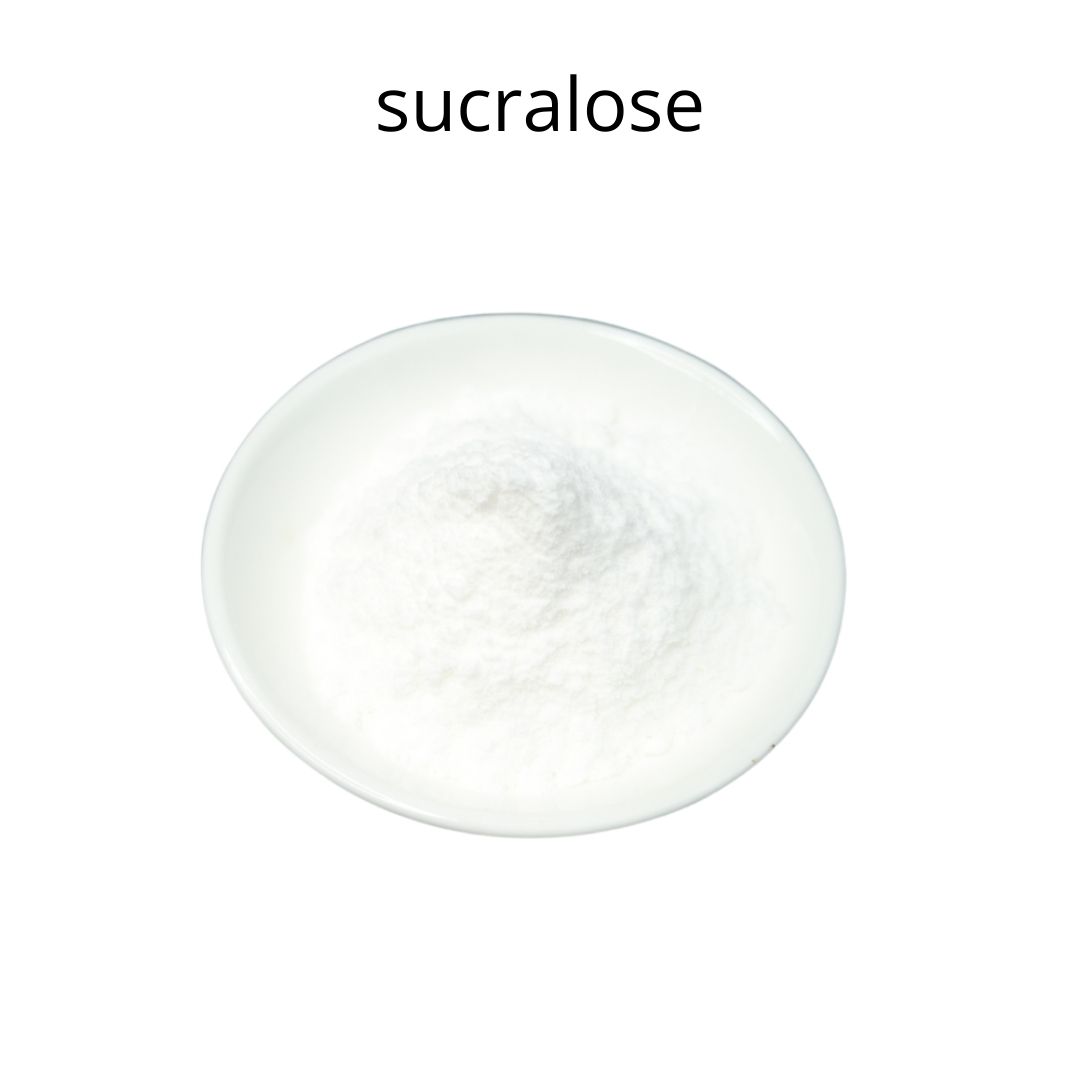
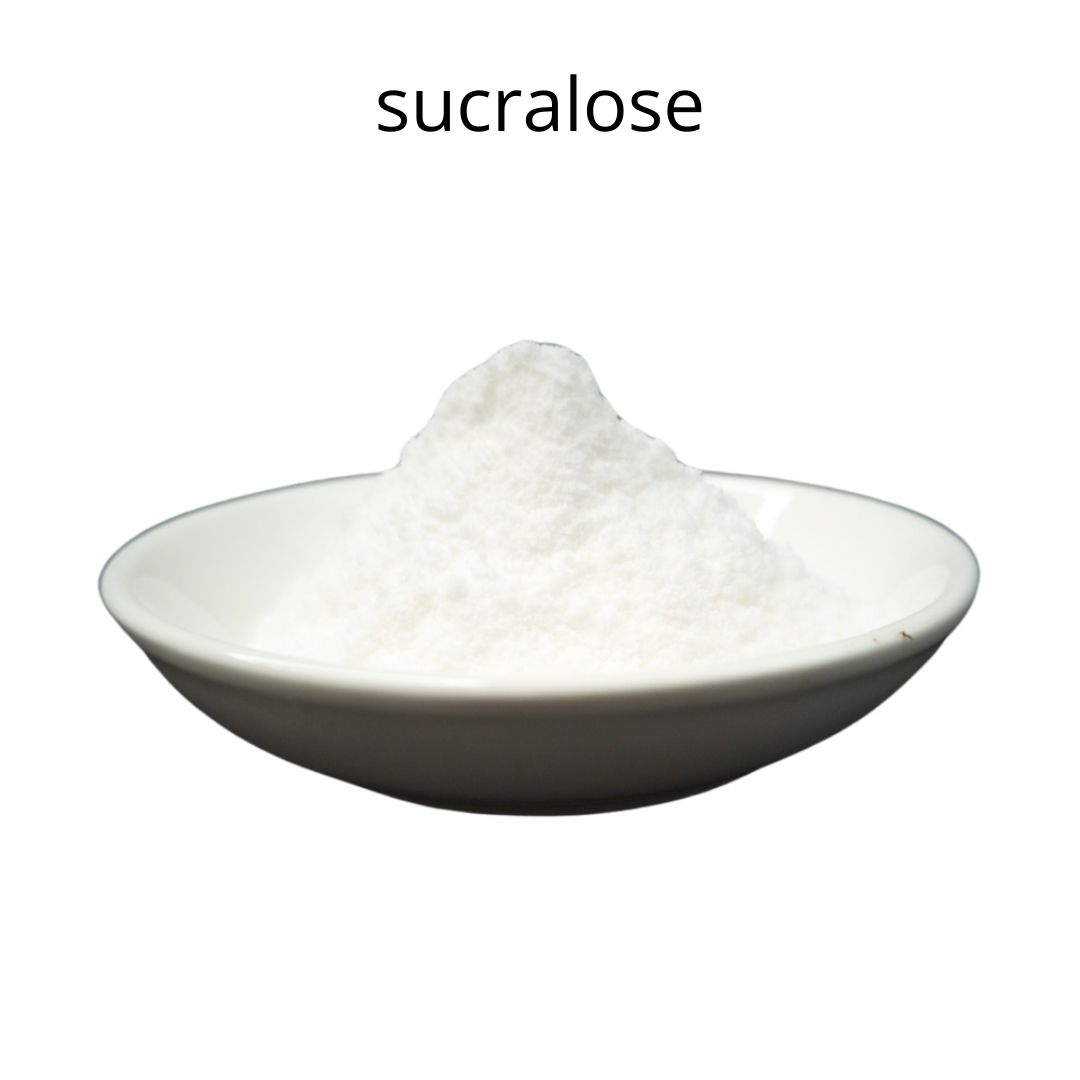
Sucralose, an artificial sweetener, is derived from sucrose, commonly known as table sugar, and it provides a sweet taste without the calories, making it a popular alternative to sugar in various food and beverage products. The sweetness intensity of sucralose is approximately 600 times sweeter than sucrose, thus only a small amount is needed to achieve the desired level of sweetness. This intense sweetness, combined with its stability, allows it to be used, in a wide range of applications.
Sucralose is non-nutritive, meaning that it is not metabolized by the body for energy, and this property makes it suitable for individuals looking to reduce their calorie intake or manage blood sugar levels. It maintains its sweetness over a range of temperatures and pH conditions, making it useful in many processed foods and beverages. Discovered in 1976, sucralose has been rigorously tested and approved for use, by regulatory bodies such as the U.S. Food and Drug Administration (FDA) and the European Food Safety Authority (EFSA). [1]
Product Manufacturing Process
The manufacturing of sucralose involves a multi-step process that selectively replaces three hydroxyl groups on the sucrose molecule with chlorine atoms. This modification results in a sweetener that is not metabolized by the body, while also enhancing its sweetness.
- Protection: The process begins, with the protection of certain hydroxyl groups on the sucrose molecule, using protecting agents. This step is crucial, to direct the chlorination to the correct positions on the molecule.
- Chlorination: The next step involves chlorination, where the unprotected hydroxyl groups are replaced with chlorine atoms, via chemical reactions. This is typically achieved using chlorinating agents under carefully controlled conditions, to ensure the desired substitution occurs with minimal by-products.
- De-protection: After chlorination, the protecting groups are removed, to yield the final sucralose molecule.
- Purification: The crude sucralose is then purified, through various methods such as crystallization, and chromatography, to remove impurities and by-products. These purification steps ensure the final product meets food grade standards.
- Drying and Milling: The purified sucralose is dried, and milled to achieve the desired particle size and consistency, which is important for its use in food and beverage formulations.
- Quality Control: Throughout the manufacturing process, rigorous quality control measures are implemented, to monitor the purity, and composition of the sucralose. These measures include HPLC, to verify the absence of unwanted compounds.
Product Applications
Sucralose is widely used, across various industries, due to its high sweetness intensity, stability, and non-caloric nature.
- Food and Beverage Industry: Sucralose is a common ingredient in products such as diet sodas, sugar-free candies, baked goods, and processed foods. Its stability at high temperatures makes it suitable for use in cooking and baking applications, where it retains its sweetness without breaking down.
- Pharmaceutical Industry: In the pharmaceutical sector, sucralose is used, to mask the bitter taste of certain medications, enhancing their palatability, particularly for pediatric and geriatric patients. It is also used in sugar-free cough syrups, and chewable tablets.
- Personal Care Products: Sucralose can be found, in personal care products, such as toothpaste and mouthwash, where it contributes to a pleasant taste, without promoting tooth decay.
- Tabletop Sweetener: Sucralose is available as a tabletop sweetener, allowing consumers to sweeten beverages and foods, according to their taste preferences, without adding calories.
- Nutritional Supplements: Sucralose is used in protein powders, meal replacement shakes, and other nutritional supplements, to enhance their taste, without increasing sugar content.
Packaging and Storage
Sucralose should be stored in tightly sealed containers, in a cool, dry, and well-ventilated area, to prevent degradation from moisture and heat. Maintaining proper storage conditions is essential, to ensure the stability and quality of the product, throughout its shelf life. The typical packaging options include multi-layer bags or containers, with inner liners to protect against moisture, and contamination. Proper labeling, including manufacturing date, and expiration date, should be clearly marked on the packaging. Bulk quantities are often packaged in drums or super sacks, while smaller quantities, intended for retail use, may be packaged in resealable bags or containers.
Citations
[1] EFSA Panel on Food Additives and Nutrient Sources added to Food (ANS), Mortensen, A., et al. "Re-evaluation of sucralose (E 955) as a food additive." EFSA Journal 14.5 (2016): 4545.

As the plant manager, I focus on the precise formulation and efficient production of food additives. We rigorously control the production process to ensure the quality and safety of each product, meeting industry standards. 🍴