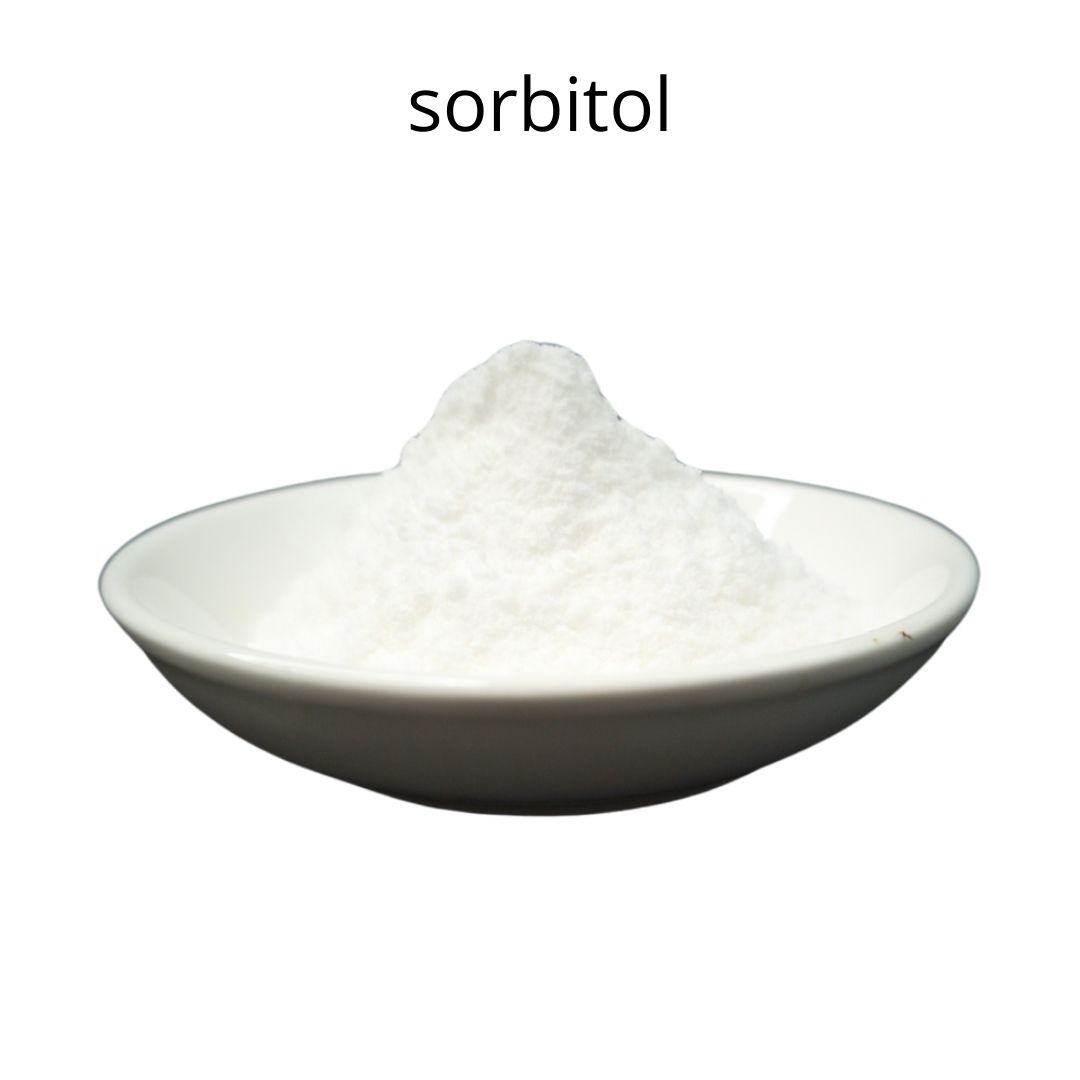


Product Introduction
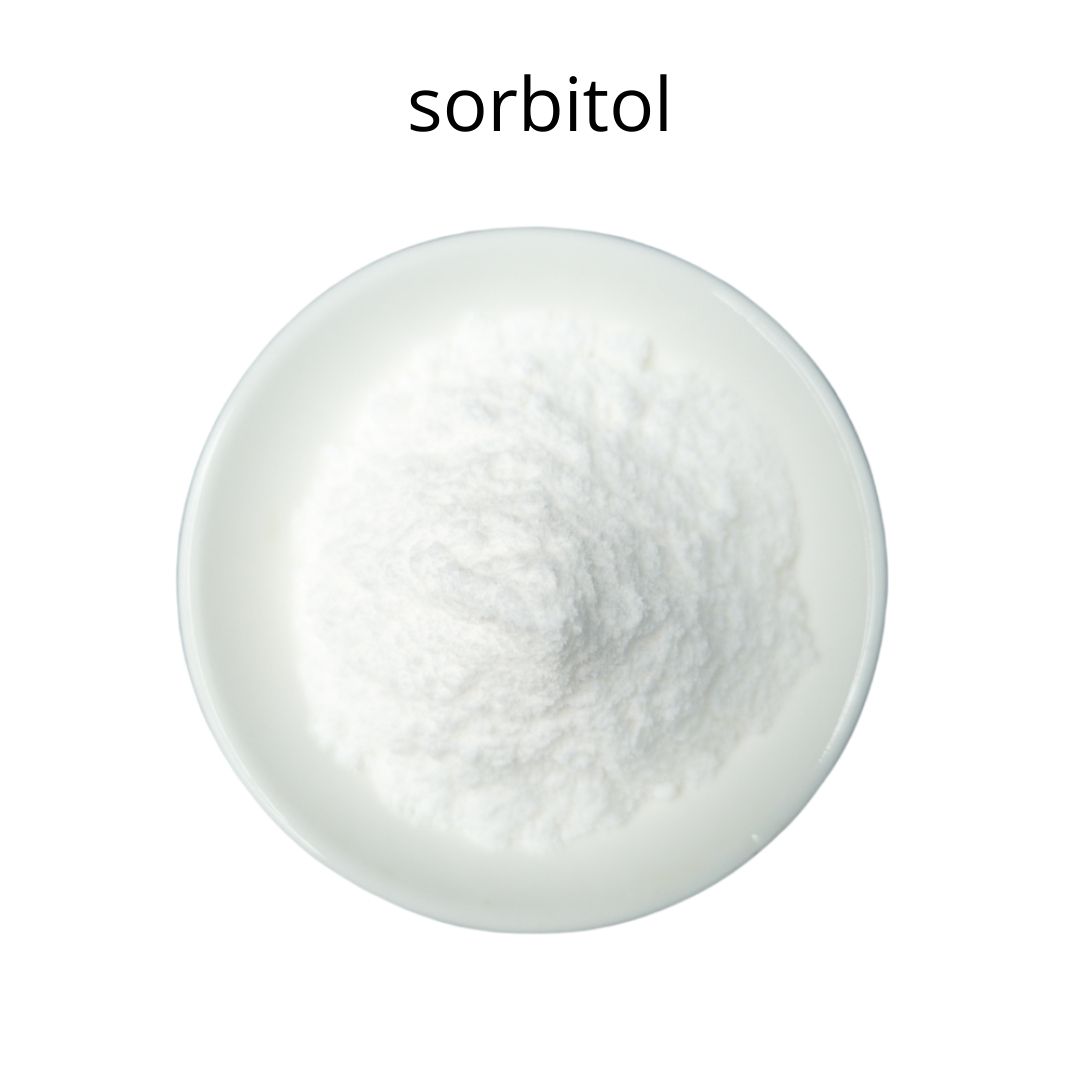
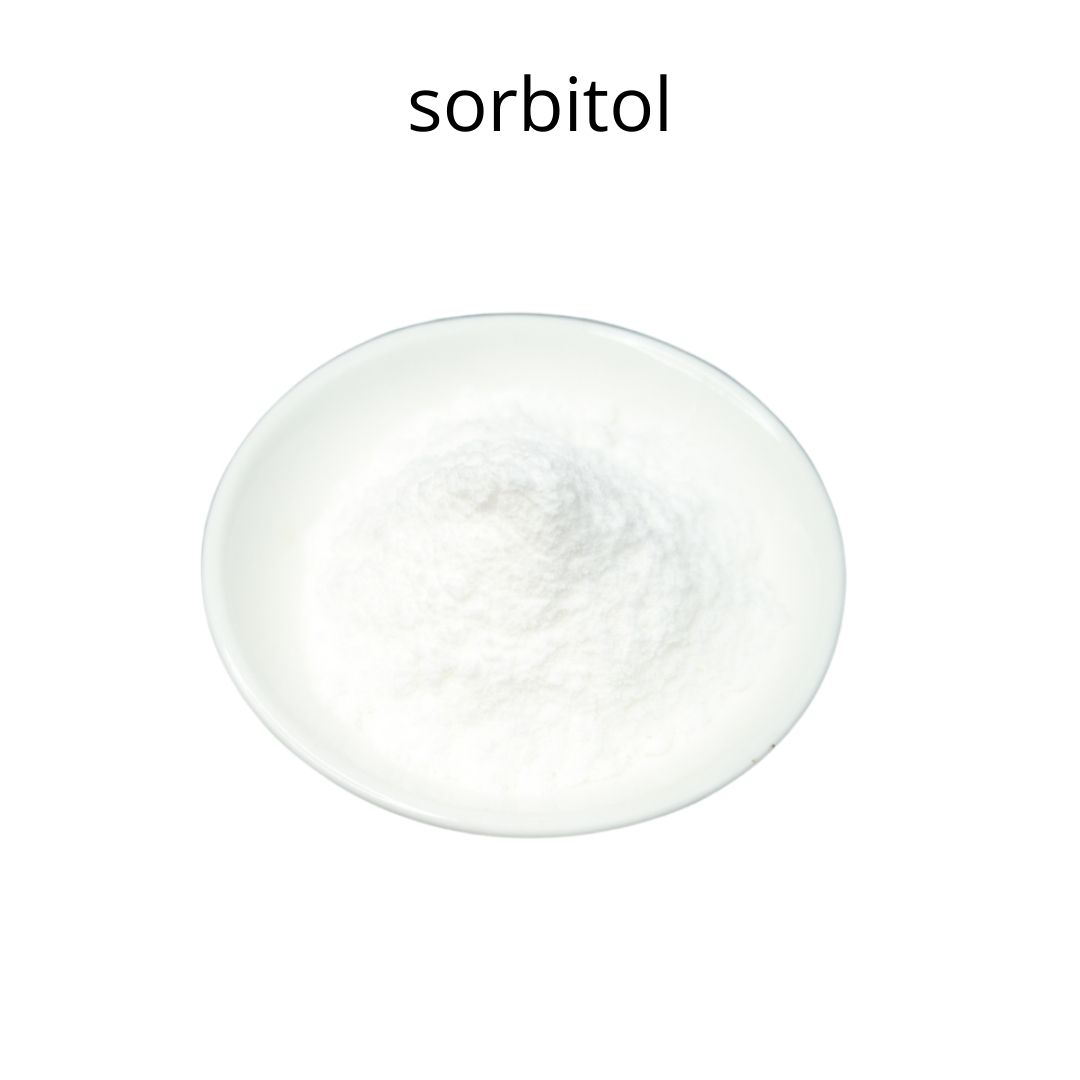
Sorbitol, a polyol (sugar alcohol), is commonly used in the food industry as a sweetener, humectant, and texturizer. It is found naturally in some fruits and is also commercially produced from glucose. Its sweet taste is about 60% as sweet as sucrose, and it contains fewer calories than sugar. Sorbitol is also known for its moisture-retaining properties, which help to prevent products from drying out.
Product Manufacturing Process
The manufacturing process of sorbitol typically involves the catalytic hydrogenation of glucose. This process converts glucose into sorbitol using a metal catalyst, such as nickel or ruthenium, under high pressure and temperature. The resulting sorbitol solution is then purified, concentrated, and crystallized. The crystals are dried and milled to achieve the desired particle size. This process ensures a high-purity sorbitol product suitable for various applications.
Product Applications
Sorbitol has a wide range of applications across various industries. In the food industry, it is used in sugar-free candies, chewing gum, baked goods, and beverages to provide sweetness and maintain moisture. In pharmaceuticals, it is used as an excipient in tablets, syrups, and creams. It acts as a stabilizer, a humectant, and a carrier for active ingredients. In cosmetics, sorbitol is used in lotions, creams, and toothpaste as a humectant and texturizer, helping to retain moisture and improve the product's texture.
Packaging and Storage
Sorbitol should be packaged in tightly sealed containers to protect it from moisture and contamination. It should be stored in a cool, dry place, away from direct sunlight and heat. Under proper storage conditions, sorbitol has a shelf life of up to two years. It's important to check the product's appearance and quality before use, ensuring it remains a free-flowing, white crystalline powder.
Citations
- EFSA Panel on Food Additives and Nutrient Sources added to Food (ANS), Mortensen, A., et al. "Re-evaluation of sorbitol (E 420i) and sorbitol syrup (E 420ii) as food additives." EFSA Journal 9.11 (2011): 2439.
- “Sorbitol.” ScienceDirect, www.sciencedirect.com/topics/food-science/sorbitol. Accessed 16 May 2024.
- Atkinson, F. S., et al. "Glycemic index and glycemic load for foods: a systematic review." The American journal of clinical nutrition 71.6 (2000): 1455-1492.

As the plant manager, I focus on the precise formulation and efficient production of food additives. We rigorously control the production process to ensure the quality and safety of each product, meeting industry standards. 🍴