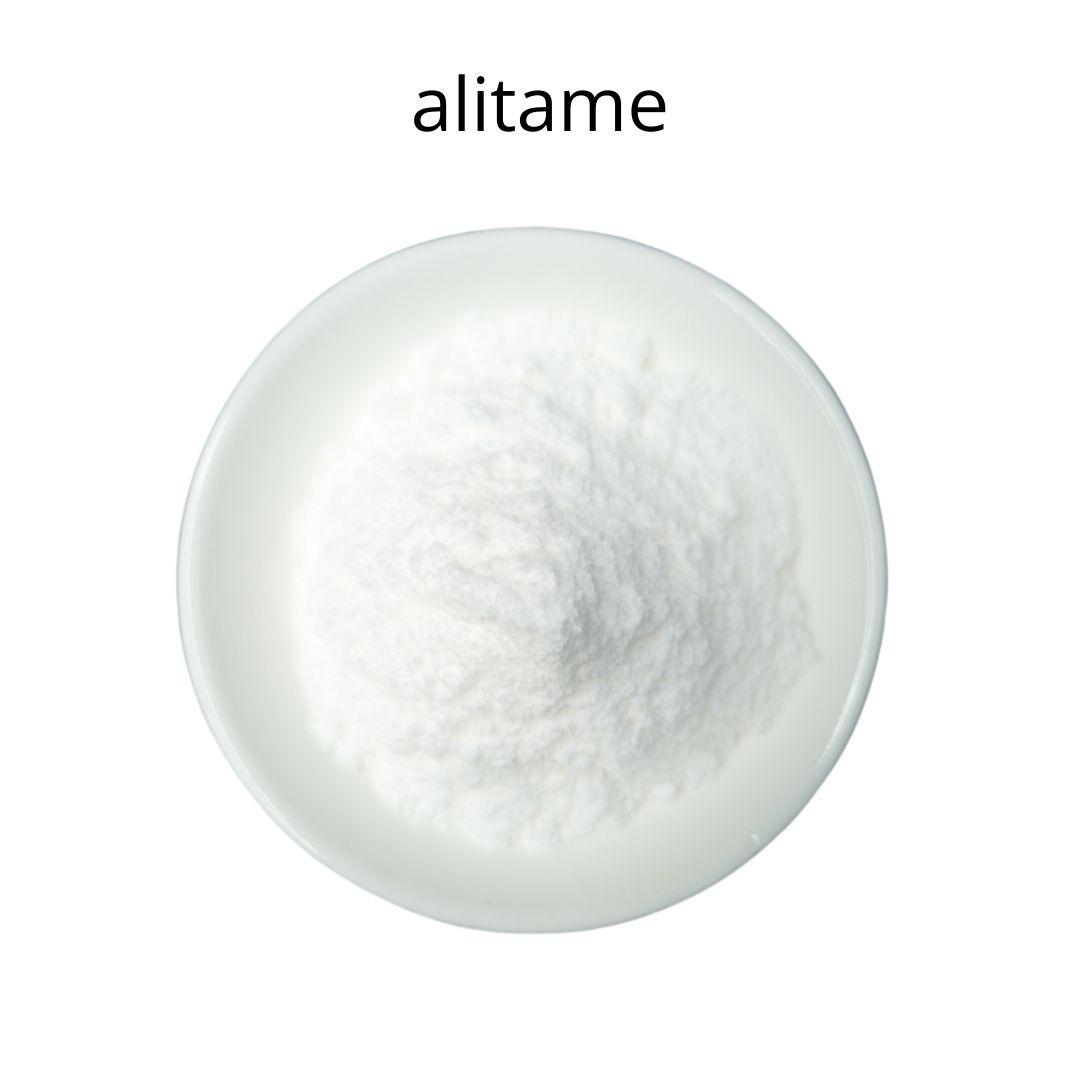
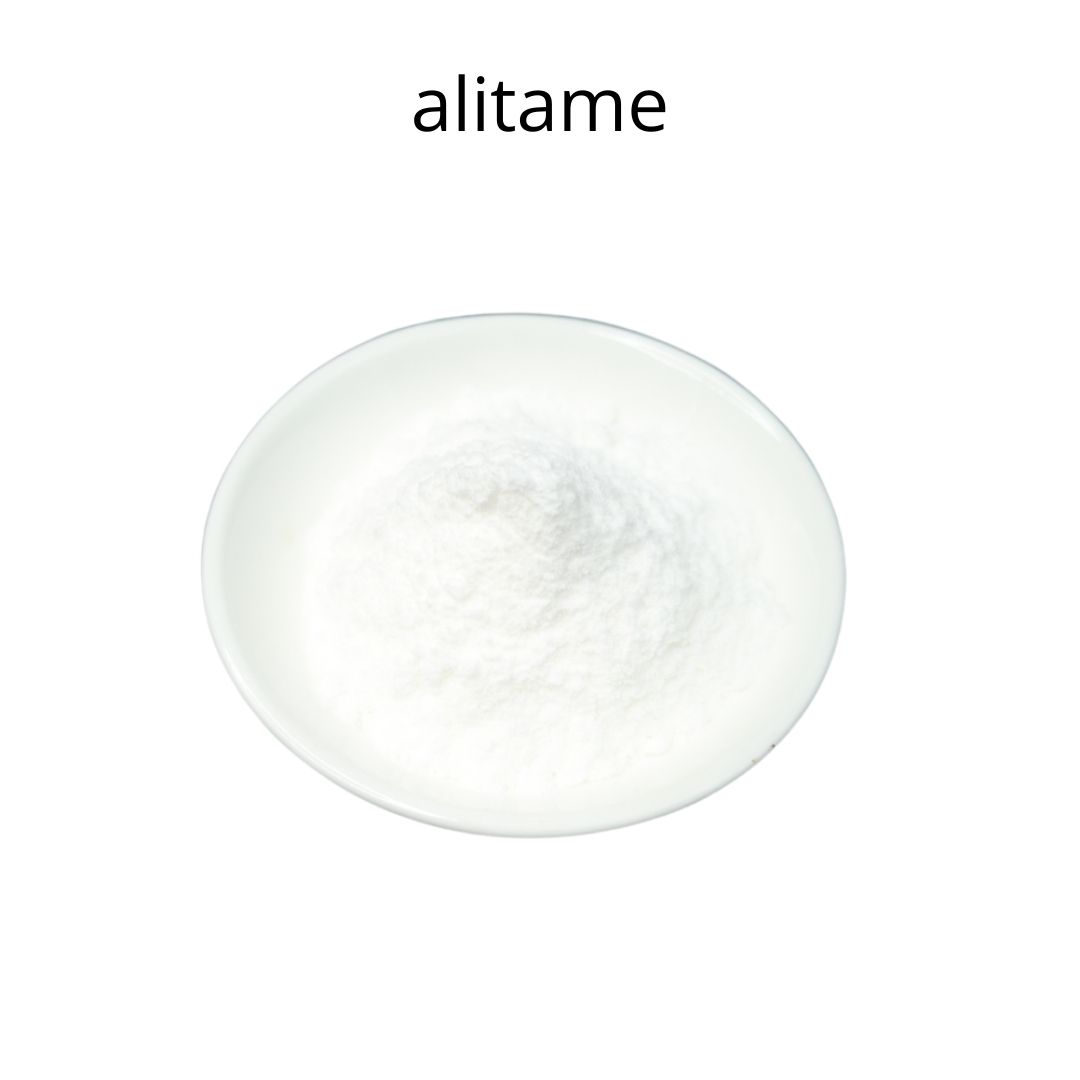
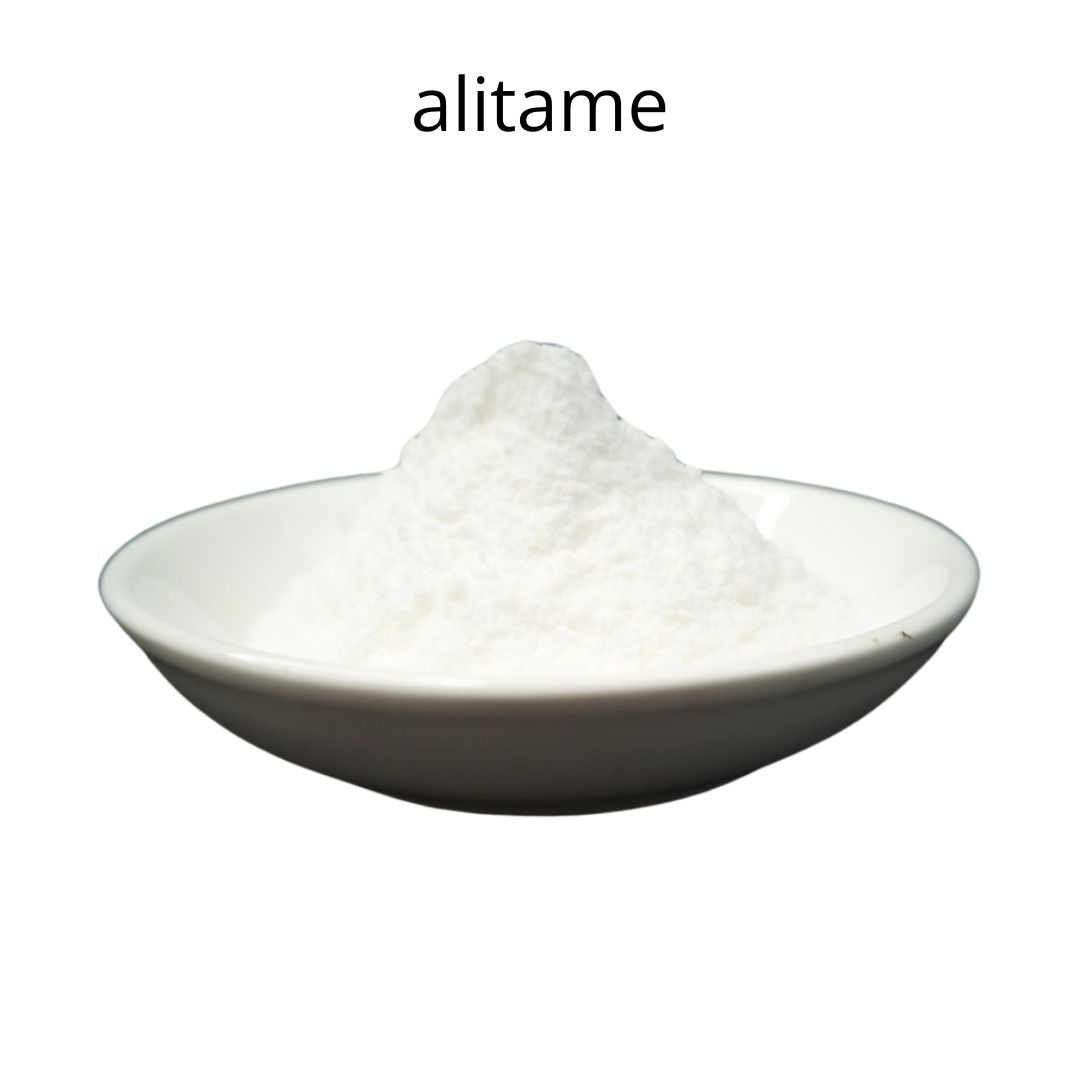


Alitame, a potent dipeptide sweetener, is derived from L-aspartic acid and D-alanine. It presents as a white, crystalline powder, making it easy to incorporate into various formulations. High-performance liquid chromatography (HPLC) is employed to ensure its purity and quality. Alitame's applications span across food, beverage, and pharmaceutical industries due to its intense sweetness and versatility. With a shelf life of two years, it maintains its stability when stored correctly.
Alitame is synthesized through chemical processes that involve the coupling of L-aspartic acid and D-alanine. Specifically, it is produced by the acylation of D-alanine amide with an activated derivative of L-aspartic acid. The reaction is carefully controlled to ensure the formation of the desired dipeptide. Following the reaction, purification steps, such as crystallization and washing, are implemented to isolate alitame from by-products and impurities. The purified product is then dried and milled to achieve the desired particle size, which is typically between 20-60 mesh.
Alitame is used in a variety of applications, thanks to its high-intensity sweetness. It can be used in beverages, baked goods, dairy products, and other food items that require sweetening with minimal caloric contribution. The food industry utilizes alitame in diet soft drinks, sugar-free candies, and low-calorie desserts. Furthermore, alitame can serve as a tabletop sweetener, ideal for individuals looking to reduce their sugar intake. In the pharmaceutical sector, alitame may be used to mask the bitter taste of certain medications, thus improving patient compliance.
Alitame should be stored in a cool, dry place, away from direct sunlight and moisture. Optimal storage conditions include temperatures below 25°C and relative humidity levels below 65%. The product should be kept in tightly sealed containers to prevent moisture absorption and contamination. Properly stored, alitame maintains its quality and potency for up to two years. Packaging typically involves the use of multi-layer bags or containers with moisture barriers to protect the product during transportation and storage. Specific packaging sizes vary depending on the customer's needs, ranging from small retail packs to large industrial containers.
Citations
- Burdock, G. A. (2010). Fenaroli's Handbook of Flavor Ingredients. CRC Press.
- Magnuson, B. A., Carakostas, M. C., Moore, N. K., Poulos, A., & Renwick, A. G. (2016). Overview of the regulation and safety assessment of food additives in the U.S.A. Food and Chemical Toxicology, 92, 73-93.

As the plant manager, I focus on the precise formulation and efficient production of food additives. We rigorously control the production process to ensure the quality and safety of each product, meeting industry standards. 🍴