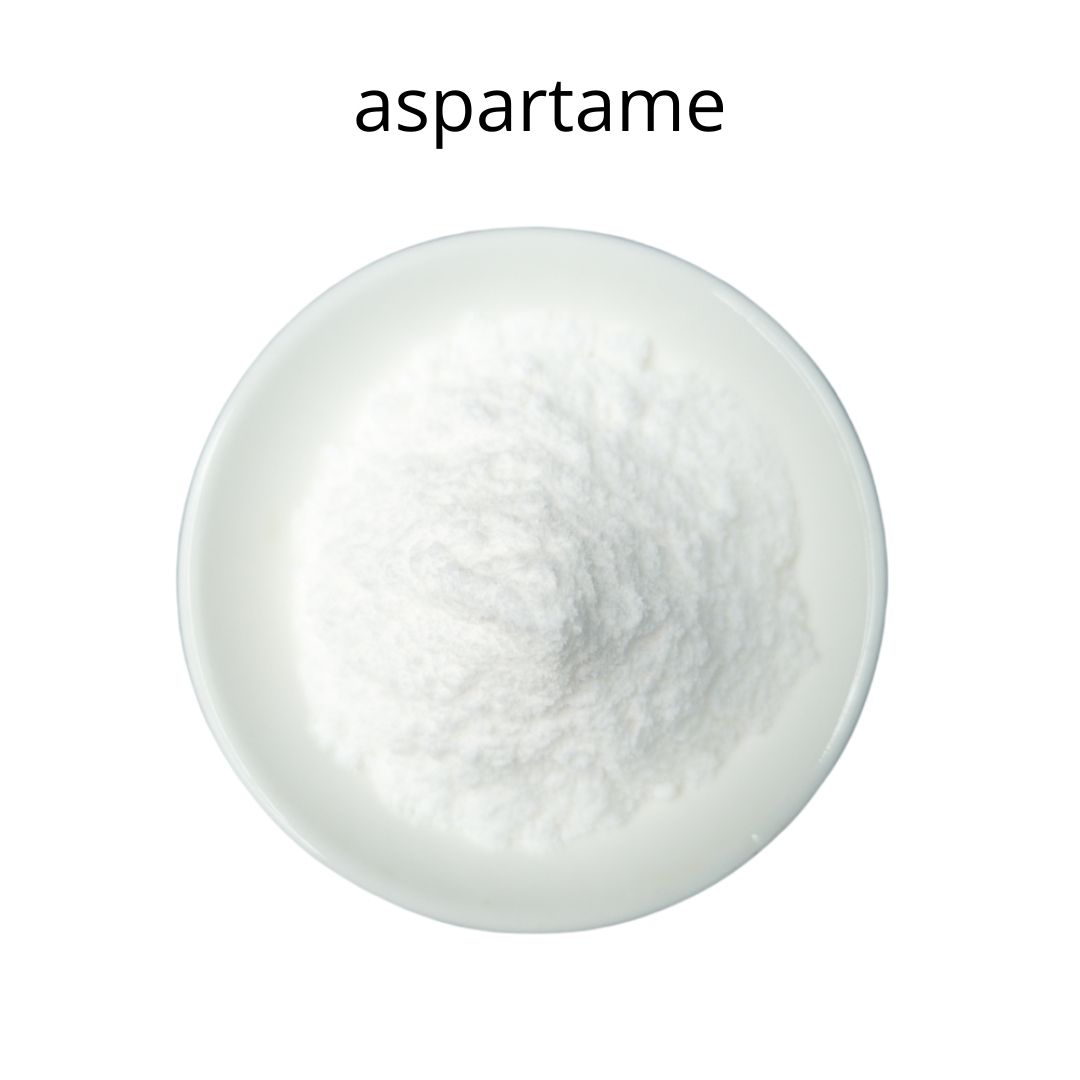
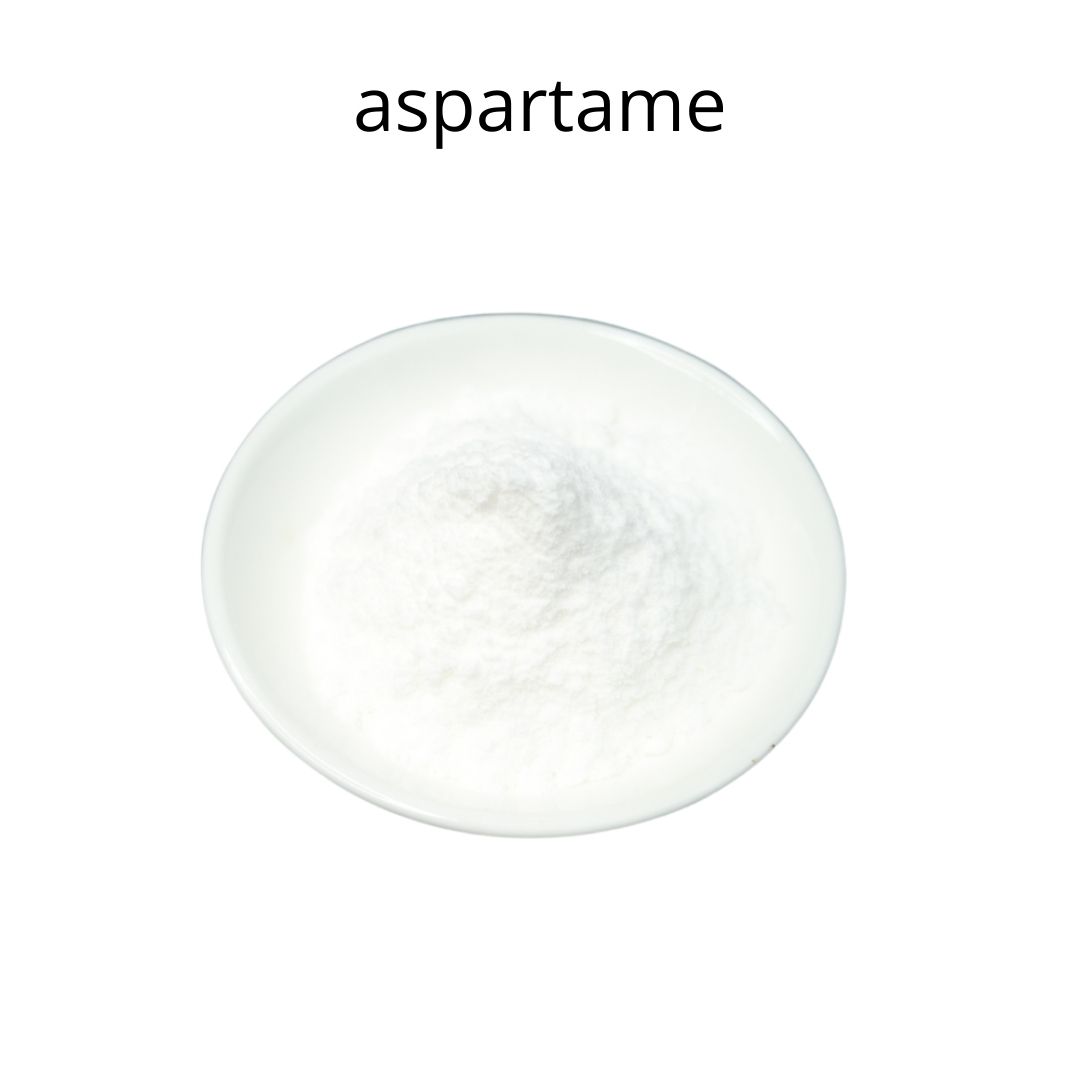
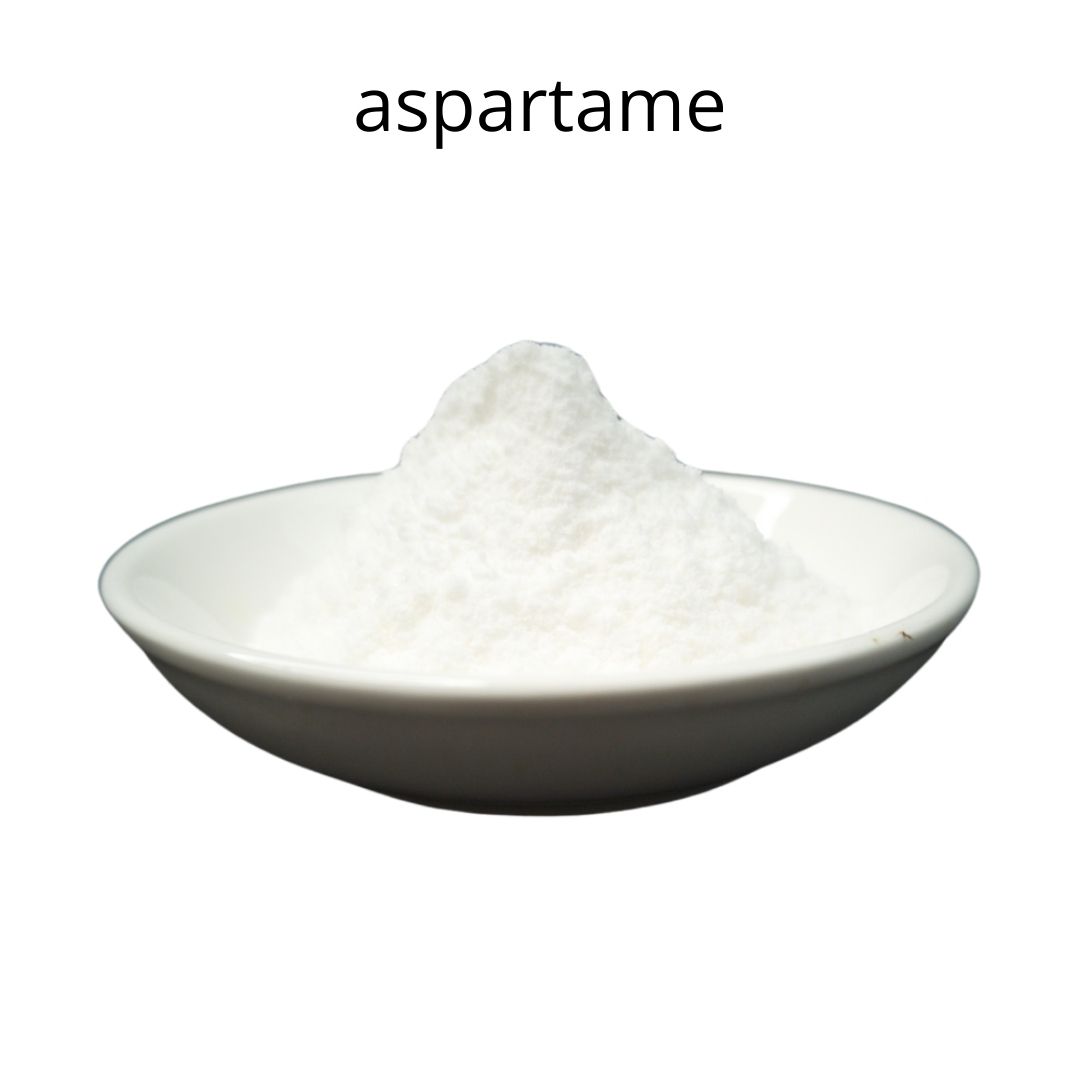


Aspartame is a non-nutritive, high-intensity sweetener used globally in various food and beverage products to reduce sugar content and calories. It is approximately 200 times sweeter than sucrose, allowing for its use in small quantities. Aspartame's chemical name is L-aspartyl-L-phenylalanine methyl ester, which indicates its composition from two amino acids: aspartic acid and phenylalanine, with a methyl ester group.
The manufacturing process of aspartame involves several key steps, beginning with the fermentation of aspartic acid and chemical synthesis of phenylalanine. These two amino acids are then chemically linked together via a process called peptide coupling. The resulting dipeptide is then methyl esterified to form aspartame. Following the reaction, the aspartame is purified through crystallization, dried, and milled to achieve the desired particle size. Quality control checks, including HPLC testing, are performed throughout the manufacturing process to ensure purity and compliance with industry standards.
Aspartame is utilized extensively in the food and beverage industry, appearing in diet soft drinks, sugar-free products, and as a tabletop sweetener. Its high sweetness intensity allows manufacturers to use it in low concentrations, reducing the overall caloric content of the products. It is also found in some pharmaceuticals and confectionery items. Because aspartame breaks down at high temperatures, it is typically added to foods after heating.
Aspartame is generally packaged in multi-layer paper bags or fiber drums with polyethylene liners to protect it from moisture and light. It should be stored in a cool, dry, and well-ventilated area, away from direct sunlight and heat sources. Proper storage conditions are essential to maintain the quality and stability of aspartame throughout its shelf life.
[1] Magnuson, B. A., Burdock, G. A., Doull, J., Kroes, R. M., Marsh, G. M., Pariza, M. W., … & Williams, G. M. (2007). Aspartame: a safety evaluation based on current use levels, regulations, and toxicological and epidemiological studies. Critical reviews in toxicology, 37(8), 629-727.
[2] U.S. Food and Drug Administration. (2023). Additional Information about High-Intensity Sweeteners Permitted for Use in Food in the United States. https://www.fda.gov/food/food-additives-petitions/additional-information-about-high-intensity-sweeteners-permitted-use-food-united-states

As the plant manager, I focus on the precise formulation and efficient production of food additives. We rigorously control the production process to ensure the quality and safety of each product, meeting industry standards. 🍴