

Product Introduction
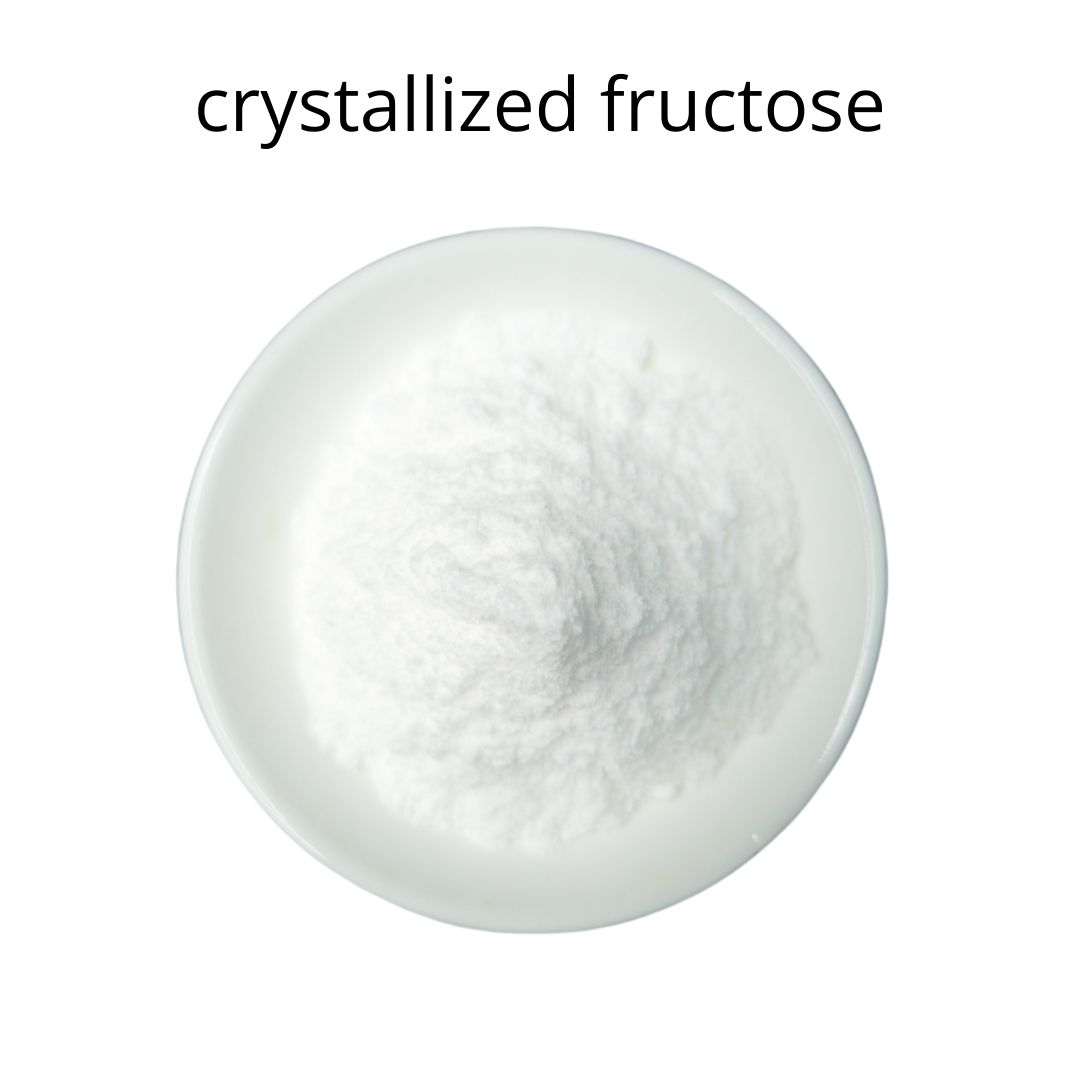
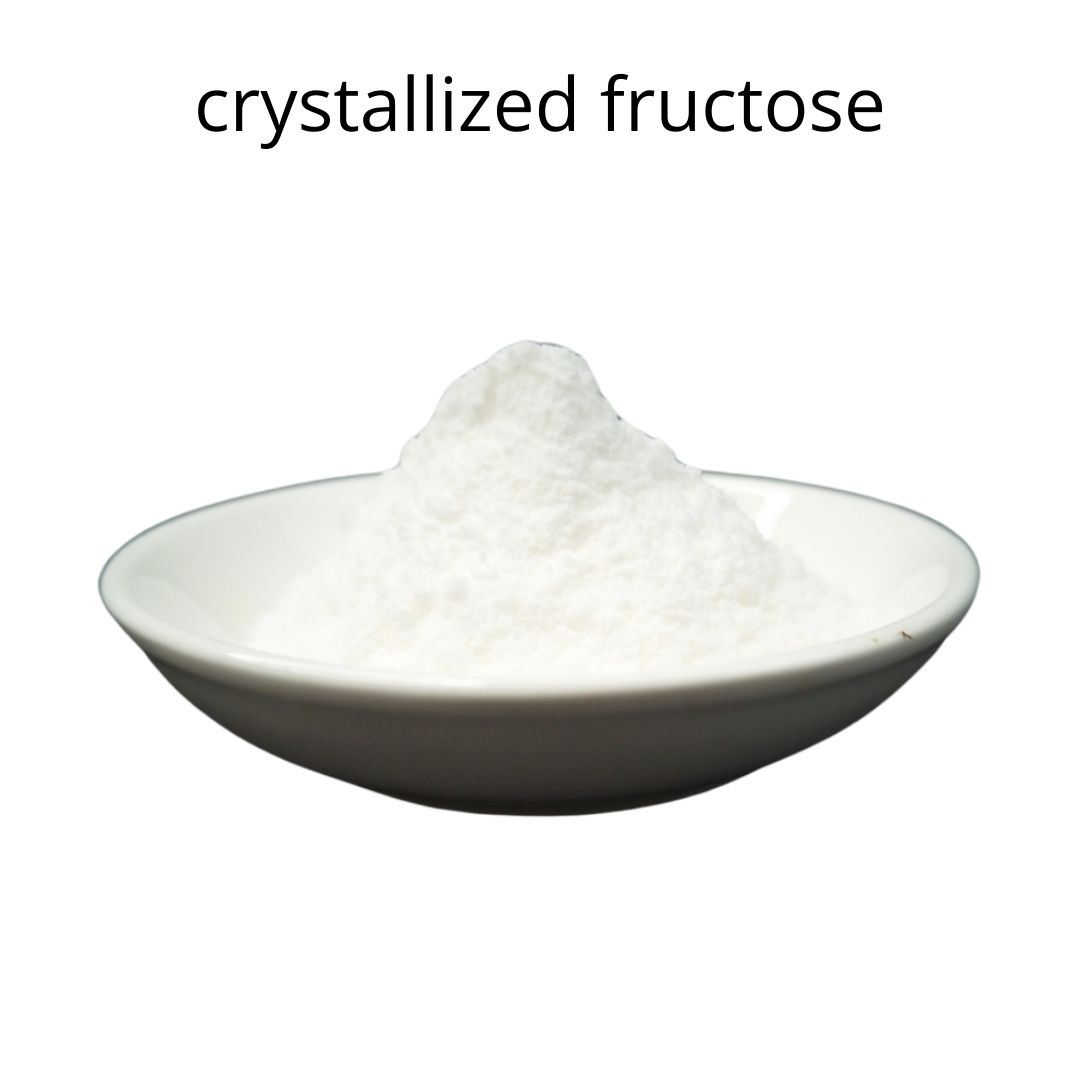
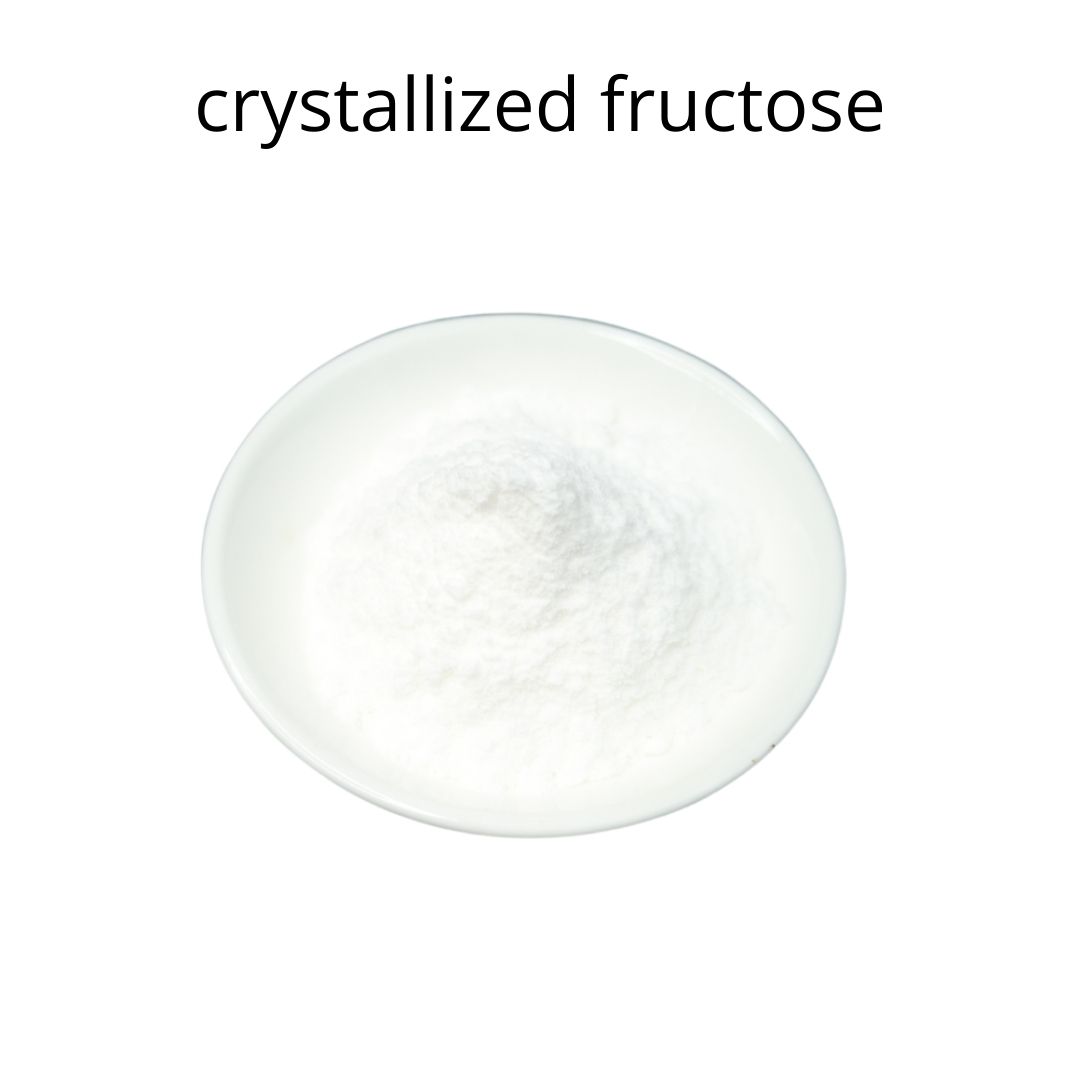
Crystallized fructose, also known as fruit sugar, is a monosaccharide found naturally in fruits, honey, and some vegetables.[1] It is produced through the isomerization of glucose and subsequent crystallization. Fructose is known for its high sweetness intensity, approximately 1.5 times sweeter than sucrose (table sugar).[2] This allows for its use in smaller quantities to achieve the same level of sweetness, potentially reducing caloric intake. The product typically appears as a white crystalline powder and is highly soluble in water.
Product Manufacturing Process
The manufacturing process of crystallized fructose generally involves several key steps. First, starch from corn or other sources is converted into glucose through enzymatic hydrolysis.[3] Next, the glucose is isomerized into a mixture containing fructose and glucose using enzymes such as glucose isomerase.[4] This mixture is then purified and concentrated to increase the fructose content. Finally, the fructose is crystallized, separated from the remaining liquid, and dried to produce crystallized fructose.[5] Sophisticated techniques are employed to control crystal size and purity during the crystallization phase.
Product Applications
Crystallized fructose is widely used in the food and beverage industry as a sweetener in various products, including soft drinks, fruit juices, baked goods, and confectionery.[6] Its high solubility and intense sweetness make it suitable for use in cold beverages. In the pharmaceutical industry, it can be used as a sweetener in syrups and other liquid medications.[7] Additionally, fructose is used in certain applications for animal feed.
Packaging and Storage
Crystallized fructose should be stored in a cool, dry place, away from direct sunlight and moisture, to maintain its quality and prevent caking.[8] It is typically packaged in multi-layer paper bags with polyethylene liners or in bulk bags to protect it from environmental factors. Proper storage conditions can extend the shelf life of crystallized fructose to up to two years.
Citations:
[1] White, J. S. (2008). Straight talk about high-fructose corn syrup: what it is and what it ain't. The American Journal of Clinical Nutrition, 88(6), 1721S-1726S.
[2] Shallenberger, R. S. (1971). Taste chemistry of sugars. American Chemical Society.
[3] Crabb, W. D., & Mitchinson, C. (1997). Enzyme technology in the starch industry. Trends in Biotechnology, 15(9), 349-352.
[4] Barker, S. A., & Petch, G. M. (1985). Isomerized sugar syrups. Applied Microbiology and Biotechnology, 22(4), 241-246.
[5] Mäkinen, K. K. (2016). Sugar alcohols as food ingredients. Annual Review of Food Science and Technology, 7, 25-43.
[6] Rippe, J. M., Angelopoulos, T. J., Ali, P. A., & Sievenpiper, J. L. (2017). Fructose-containing sugars and cardiovascular disease: a review. American Journal of Clinical Nutrition, 105(1), 3-16.
[7] Remondi, C., Rubino, F. M., Fornari, F., Laurino, C., Gaspari, A. L., & Barocelli, E. (2017). Sweeteners in pharmaceutical preparations. Expert Opinion on Drug Delivery, 14(5), 645-655.
[8] Food and Drug Administration. (2023). Code of Federal Regulations, Title 21, Part 184 - Direct Food Substances Affirmed as Generally Recognized as Safe.

As the plant manager, I focus on the precise formulation and efficient production of food additives. We rigorously control the production process to ensure the quality and safety of each product, meeting industry standards. 🍴