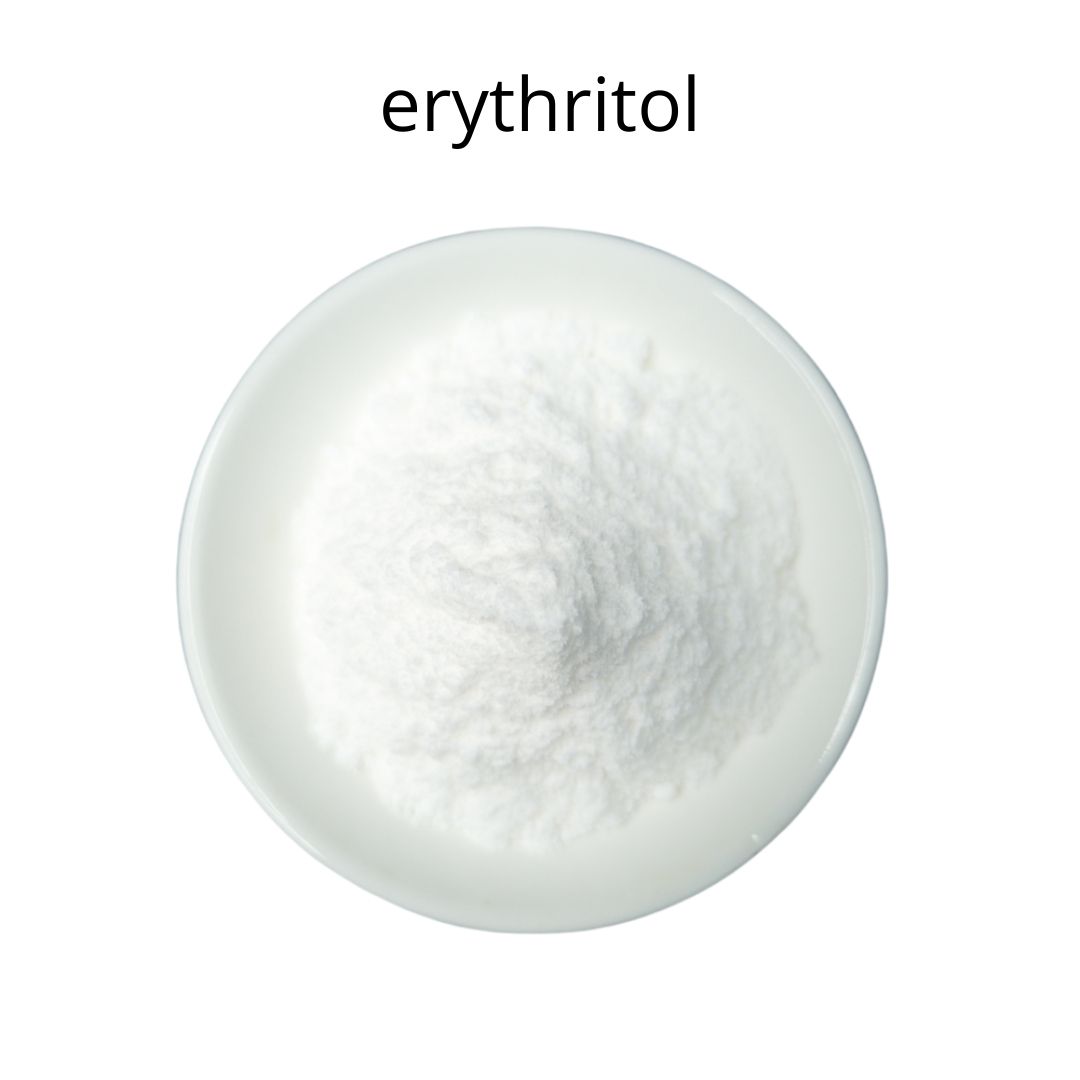
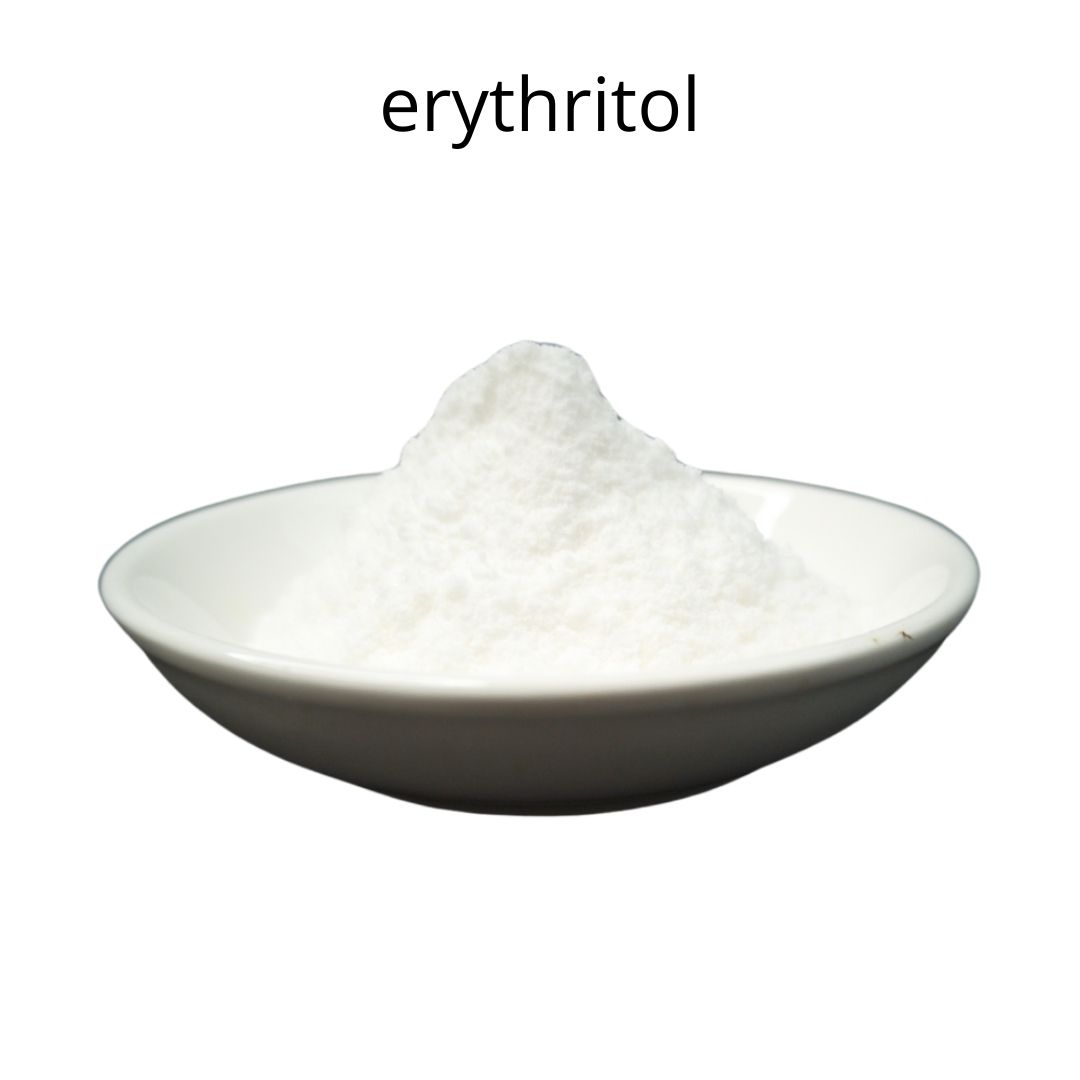
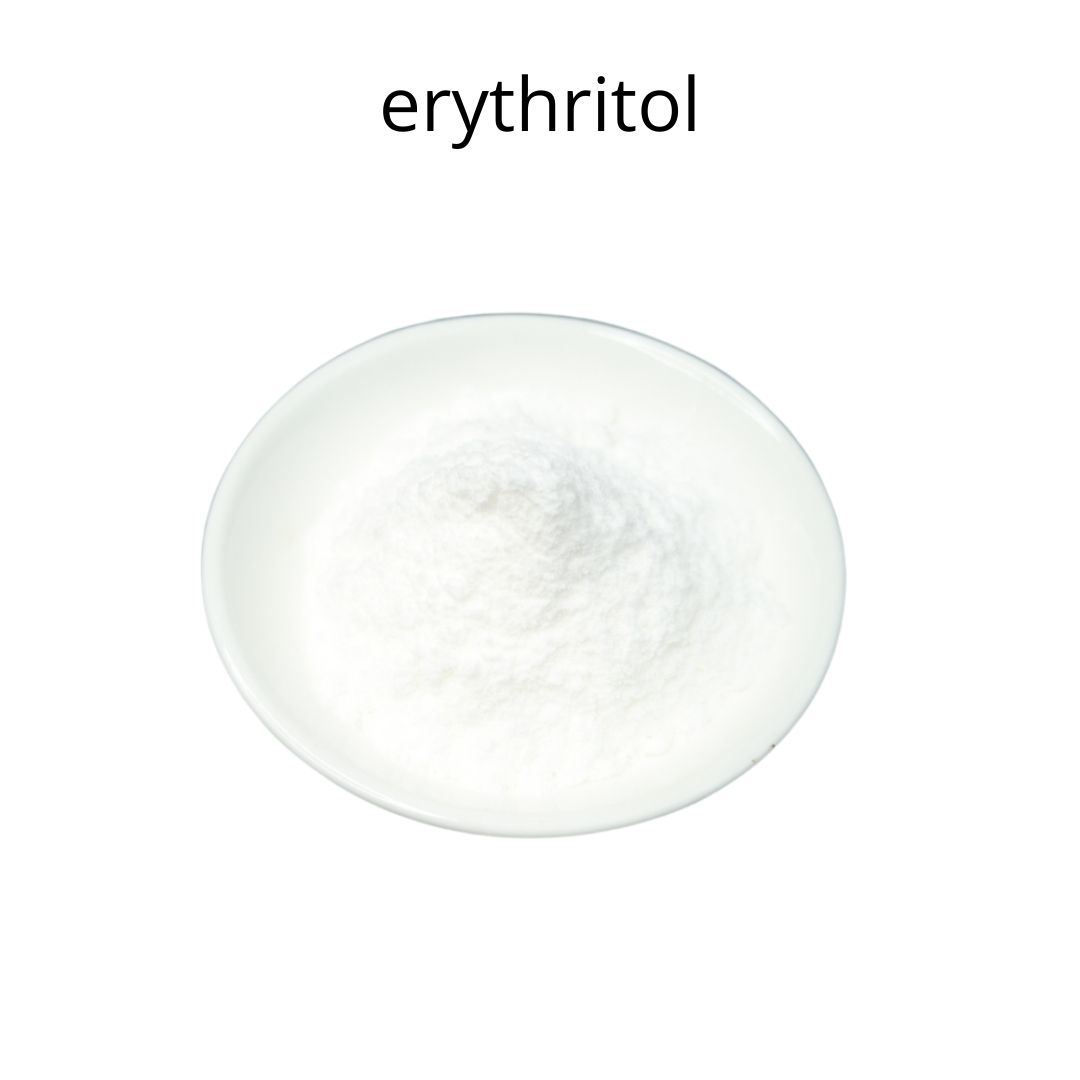


Erythritol is a polyol, or sugar alcohol, used as a food additive and sugar substitute. It is about 60–80% as sweet as sucrose (table sugar), yet it is non-caloric [1]. Erythritol occurs naturally in some fruits and fermented foods. On a commercial scale, it is produced by microbial fermentation of a carbohydrate source [2].
Erythritol production begins with a carbohydrate source, such as corn or wheat. This carbohydrate is hydrolyzed to produce glucose. The glucose solution is then fermented using microorganisms, typically a yeast like Moniliella pollinis or Trichosporonoides megachiliensis [3]. The microorganisms convert the glucose into erythritol. After fermentation, the mixture is pasteurized to kill the microorganisms. The erythritol is then recovered through crystallization and drying [4]. The final product is a crystalline powder with a clean, sweet taste.
Erythritol is widely used in the food and beverage industry. It functions as a sweetener in various products, including sugar-free candies, chewing gum, chocolates, and beverages [5]. It is also used in baking applications to reduce sugar content, while maintaining a desirable taste and texture. Erythritol is suitable for individuals with diabetes because it does not significantly affect blood glucose levels [6]. It is also considered tooth-friendly, as it does not promote tooth decay [7]. Beyond foods, erythritol serves as an excipient in pharmaceutical formulations.
Erythritol should be stored in a cool, dry place, away from direct sunlight and moisture, in tightly sealed containers [8]. This helps to maintain its quality and prevent clumping. The typical shelf life for erythritol, when stored properly, is approximately 24 months.
Citations:
[1] Erythritol. (2023). Wikipedia. Retrieved from https://en.wikipedia.org/wiki/Erythritol
[2] Goossens, J., et al. (2022). "Erythritol Production: State-of-the-Art and Future Perspectives." Applied Microbiology and Biotechnology, 106(1), 39-54.
[3] Ryu, J., et al. (2019). "Production of erythritol by metabolically engineered Yarrowia lipolytica." Journal of Industrial Microbiology & Biotechnology, 46(9-10), 1349-1359.
[4] Machado, A. P. d. O., et al. (2013). "Erythritol production by Yarrowia lipolytica strains." Applied Biochemistry and Biotechnology, 171(5), 1159-1171.
[5] Erythritol: Uses, Benefits, and Side Effects. (2024). Healthline. Retrieved from https://www.healthline.com/nutrition/erythritol
[6] Noda, K., et al. (1994). "Serum glucose and insulin levels and erythritol balance after oral administration of erythritol in normal subjects." European Journal of Clinical Nutrition, 48(4), 286–292.
[7] de Cock, P., et al. (2016). "Erythritol Is More Effective Than Xylitol and Sorbitol in Managing Oral Health Endpoints." International Journal of Dentistry, 2016, 9868642.
[8] Ingredion. (n.d.). "Erythritol Product Specification." Retrieved from Ingredion product database.

As the plant manager, I focus on the precise formulation and efficient production of food additives. We rigorously control the production process to ensure the quality and safety of each product, meeting industry standards. 🍴