

Product Introduction
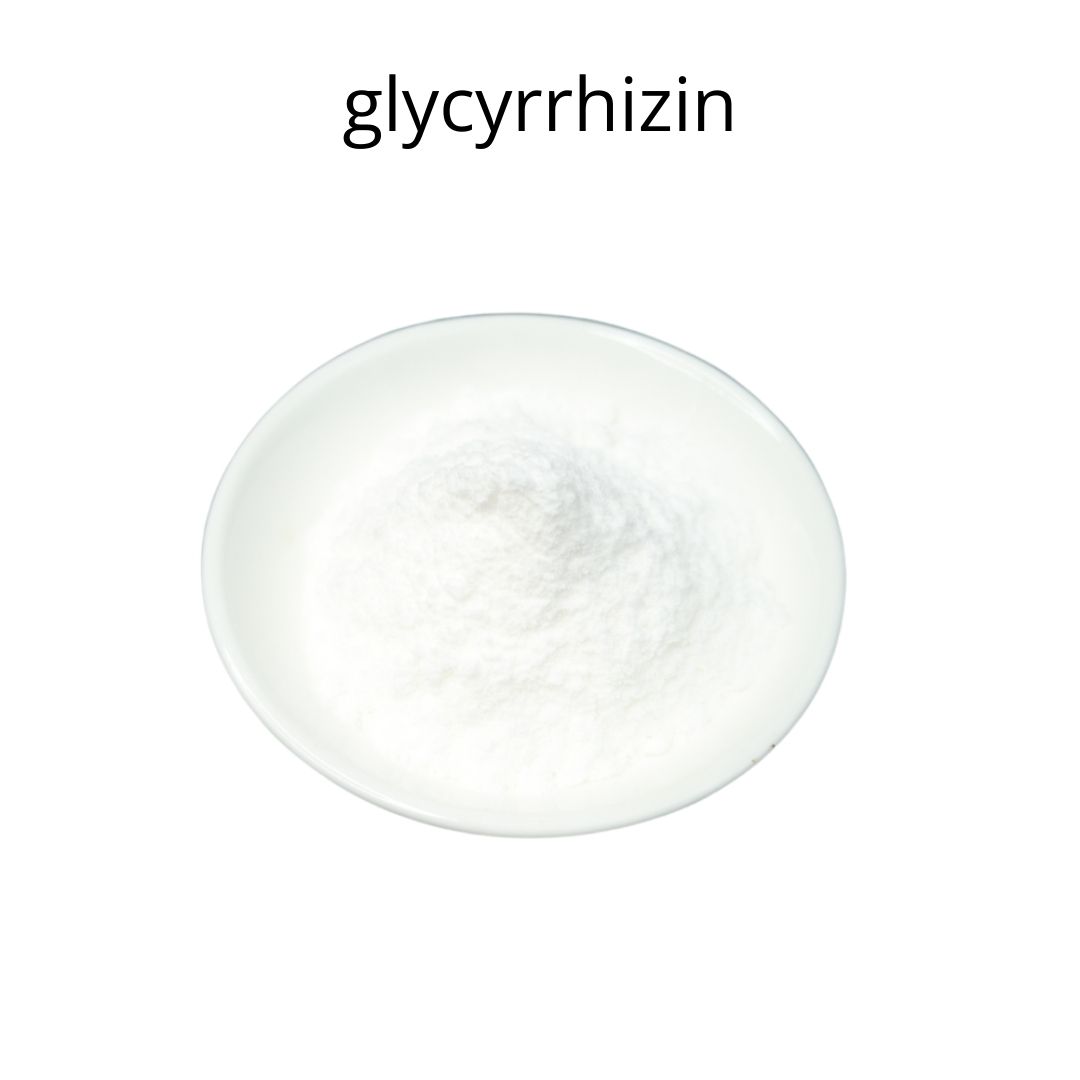
Glycyrrhizin refers to the glycoside of glycyrrhetinic acid, and, is a natural sweetener derived from licorice root. It is significantly sweeter than sucrose, offering a unique flavor profile. Glycyrrhizin also possesses various functional properties, making it a versatile ingredient.
Product Manufacturing Process
The manufacturing process of glycyrrhizin typically involves extraction, purification, and drying. First, licorice roots are extracted using water or other solvents. The extract is then filtered to remove insoluble materials. Next, the filtrate undergoes purification steps such as precipitation, adsorption, or membrane separation to isolate glycyrrhizin. Finally, the purified glycyrrhizin is dried to obtain a powdered form.
Product Applications
Glycyrrhizin finds extensive use in the food and beverage industry as a sweetener and flavor enhancer. It can be found in candies, beverages, and chewing gum, providing a sweet and distinctive licorice flavor. Furthermore, it is employed in pharmaceutical formulations due to its potential anti-inflammatory and antiviral properties. In cosmetics, glycyrrhizin is used for its soothing and moisturizing effects on the skin.
Packaging and Storage
Glycyrrhizin should be packaged in airtight containers to prevent moisture absorption and maintain its quality. It is also advisable to store it in a cool, dry place away from direct sunlight and heat, ensuring its stability and extending its shelf life. Proper storage conditions help to preserve the flavor and functional properties of glycyrrhizin.
Citations
- Aslanyan, G., Amroyan, E., Gabrielian, E., Nylander, G., Wikman, G., & Wagner, H. (1999). Double-blind, placebo-controlled, randomised study of Glycyrrhiza glabra (licorice) syrup in the treatment of functional dyspepsia. Journal of Alternative and Complementary Medicine, 5(3), 257-264.
- Fiore, C., Eisenhut, M., Ragazzi, E., Zanchin, G., & Armanini, D. (2005). Glycyrrhiza glabra L. (licorice) extract and its metabolites in ulcer therapy. Herbal Pharmacology and Clinical Applications, 165-176.
- Omar, H. R., Komarova, I., El-Ghonemi, M., Fathy, A., Rashad, R., Abdelaziz, H., … & Davies, J. (2012). Licorice abuse: time to send a warning message. Therapeutic Advances in Endocrinology and Metabolism, 3(4), 125-138.

As the plant manager, I focus on the precise formulation and efficient production of food additives. We rigorously control the production process to ensure the quality and safety of each product, meeting industry standards. 🍴