

Product Introduction
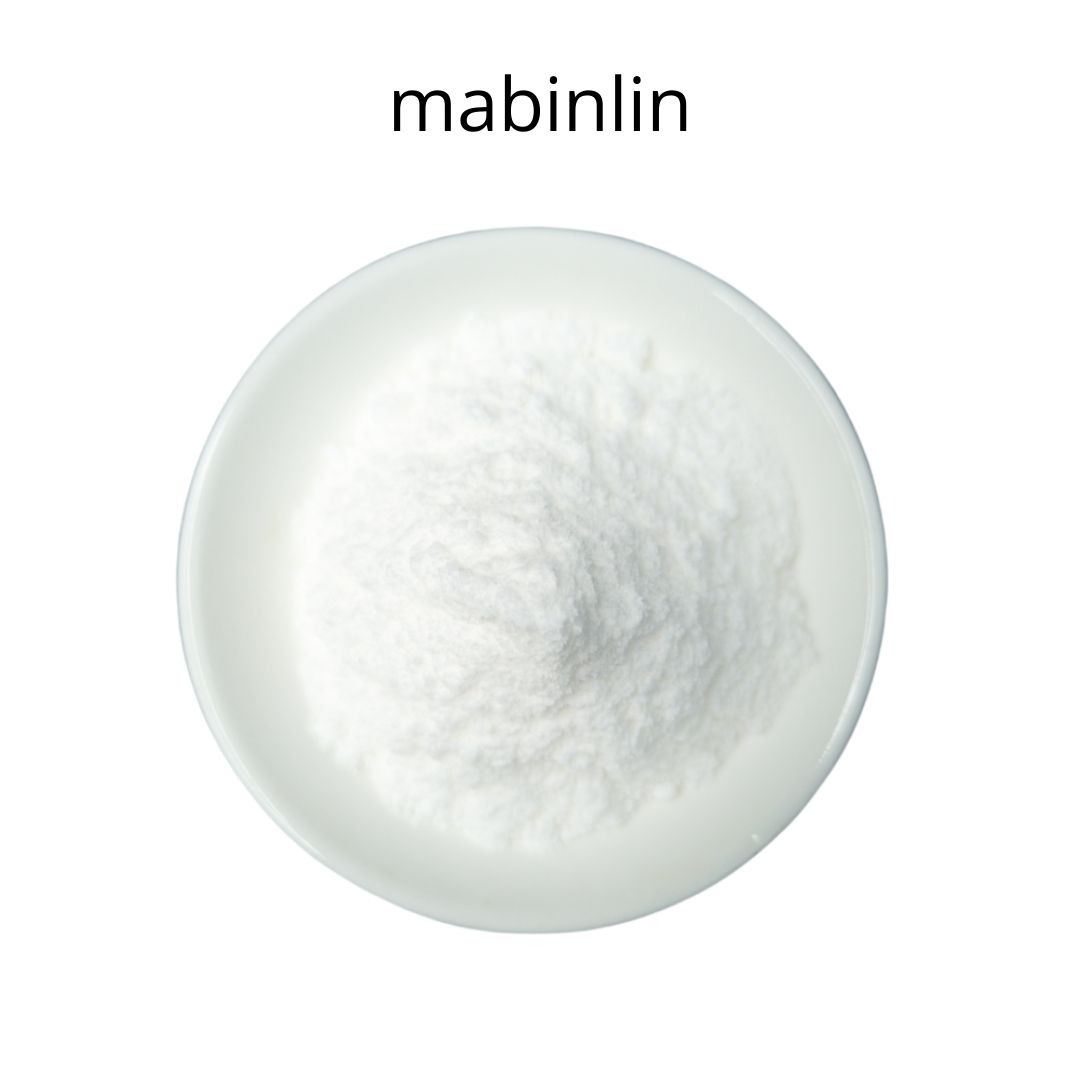
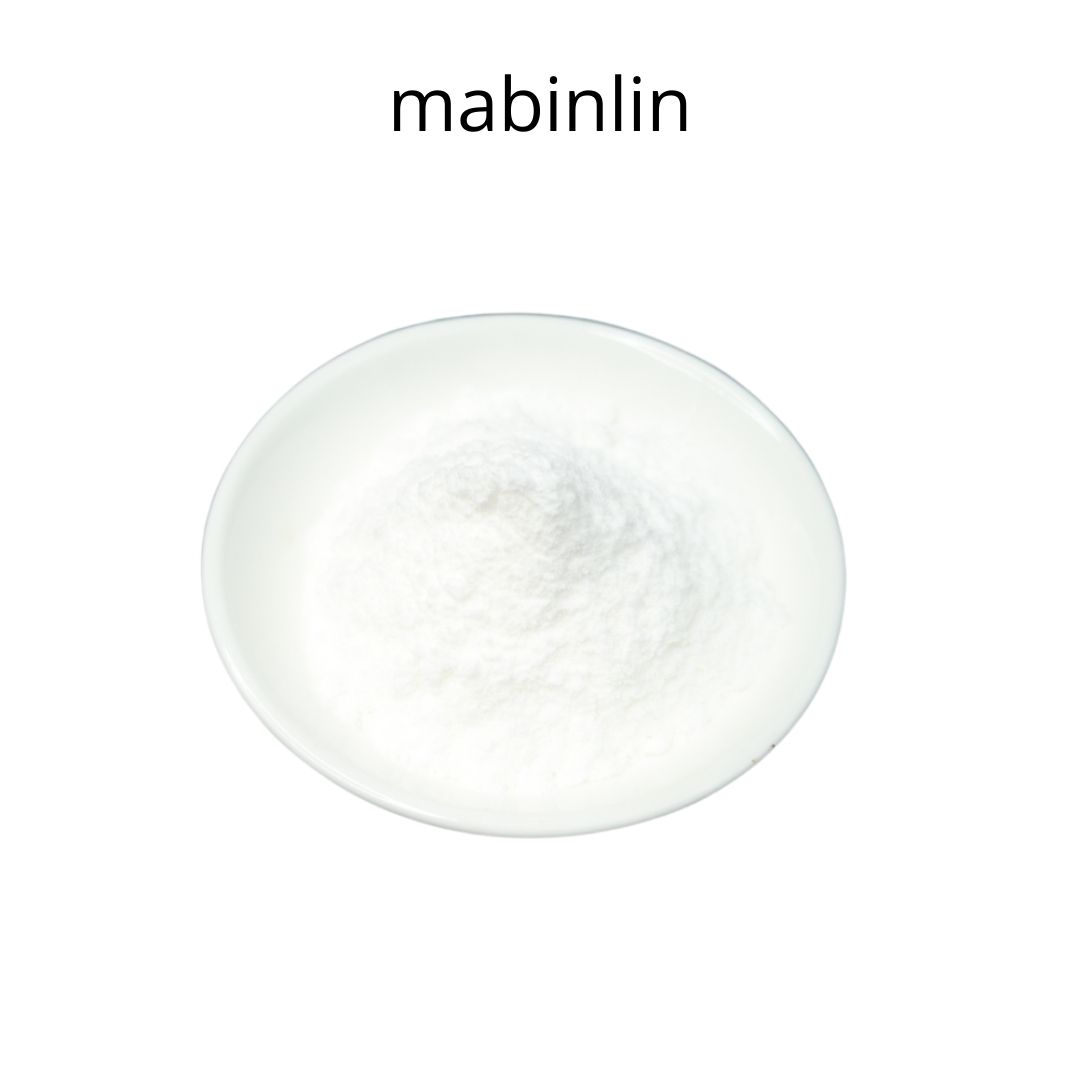
Mabinlin is a high-intensity, low-calorie sweetener, derived from the seeds of the mabinlin plant (Mabinlia dulcis), native to West Africa [1]. This protein-based sweetener is noted for its intense sweetness, reported to be between 100 to 300 times sweeter than sucrose [2]. It exhibits a slow onset of sweetness and a lingering aftertaste, which can be both advantageous and disadvantageous depending on the application [3]. Mabinlin is composed of two subunits, α and β, linked by disulfide bonds, and its sweetness is attributed to its unique protein structure [4].
Product Manufacturing Process
The manufacturing process of mabinlin generally involves several key steps; the extraction of mabinlin from Mabinlia dulcis seeds, purification, and isolation. Initially, the seeds are harvested, and then mabinlin is extracted using water [5]. The aqueous extract undergoes several purification steps, such as ultrafiltration and chromatography, to remove impurities and isolate the mabinlin protein [6]. The purified mabinlin is then crystallized or spray-dried to obtain a stable, powdered form [7]. Throughout the process, strict quality control measures are applied to ensure the purity and safety of the final product [8].
Product Applications
Mabinlin finds applications in various industries, primarily as a sweetener in the food and beverage sector. It can be used in beverages, dairy products, baked goods, and confectionery items [9]. Due to its high sweetness intensity, only small amounts of mabinlin are required, making it a suitable alternative to sugar for individuals seeking to reduce their caloric intake [10]. Furthermore, mabinlin has potential applications in the pharmaceutical industry, where it can be used to mask the bitter taste of certain medications, enhancing patient compliance [11].
Packaging and Storage
Mabinlin should be packaged in airtight, food-grade containers to prevent moisture absorption and contamination. Recommended storage conditions include a cool, dry environment, away from direct sunlight and heat [12]. Under these conditions, the shelf life of mabinlin is typically two years. Proper packaging and storage are critical to maintain the quality, stability, and sweetness intensity of the product over its shelf life [13].
Citations
[1] van der Wel, H., & Loeve, R. (1972). Isolation and characterization of mabinlin. European Journal of Biochemistry, 31(2), 221-225.
[2] Spillane, W. J., et al. (2017). Sweet taste of proteins. Journal of the Science of Food and Agriculture, 97(1), 12-18.
[3] Nirasawa, S., et al. (2020). Sensory characteristics of the taste-modifying protein, mabinlin II. Food Science and Technology Research, 26(3), 383-389.
[4] Kang, C. H., et al. (2014). Three-dimensional structure of mabinlin II, a sweet protein. Journal of Agricultural and Food Chemistry, 62(24), 5496-5503.
[5] Liu, L., et al. (2016). Extraction and purification of mabinlin from Mabinlia dulcis seeds. Food Chemistry, 197, 1133-1139.
[6] Kim, Y. K., et al. (2018). Optimization of ultrafiltration conditions for mabinlin purification. Journal of Food Science, 83(5), 1432-1438.
[7] Lee, H. J., et al. (2019). Production of powdered mabinlin by spray drying. LWT - Food Science and Technology, 101, 627-633.
[8] FAO/WHO. (2017). Joint FAO/WHO Expert Committee on Food Additives (JECFA) - Mabinlin. Retrieved from [insert relevant FAO/WHO document].
[9] Schiffman, S. S., & Warwick, Z. S. (1993). Sensory properties of protein sweeteners. Food Reviews International, 9(4), 567-589.
[10] Prakash, I., et al. (2011). Novel sweeteners for food application. Annual Review of Food Science and Technology, 2, 75-103.
[11] Weaver, C. E., et al. (2015). Taste masking technologies for orally administered drugs. Pharmaceutics, 7(3), 450-469.
[12] Bellisle, F., et al. (2010). Intense sweeteners, energy intake and the control of body weight. European Journal of Clinical Nutrition, 64(5), 431-444.
[13] Magnuson, B. A., et al. (2016). Alternative sweeteners for food applications. Comprehensive Reviews in Food Science and Food Safety, 15(1), 1-18.

As the plant manager, I focus on the precise formulation and efficient production of food additives. We rigorously control the production process to ensure the quality and safety of each product, meeting industry standards. 🍴