

Product Introduction
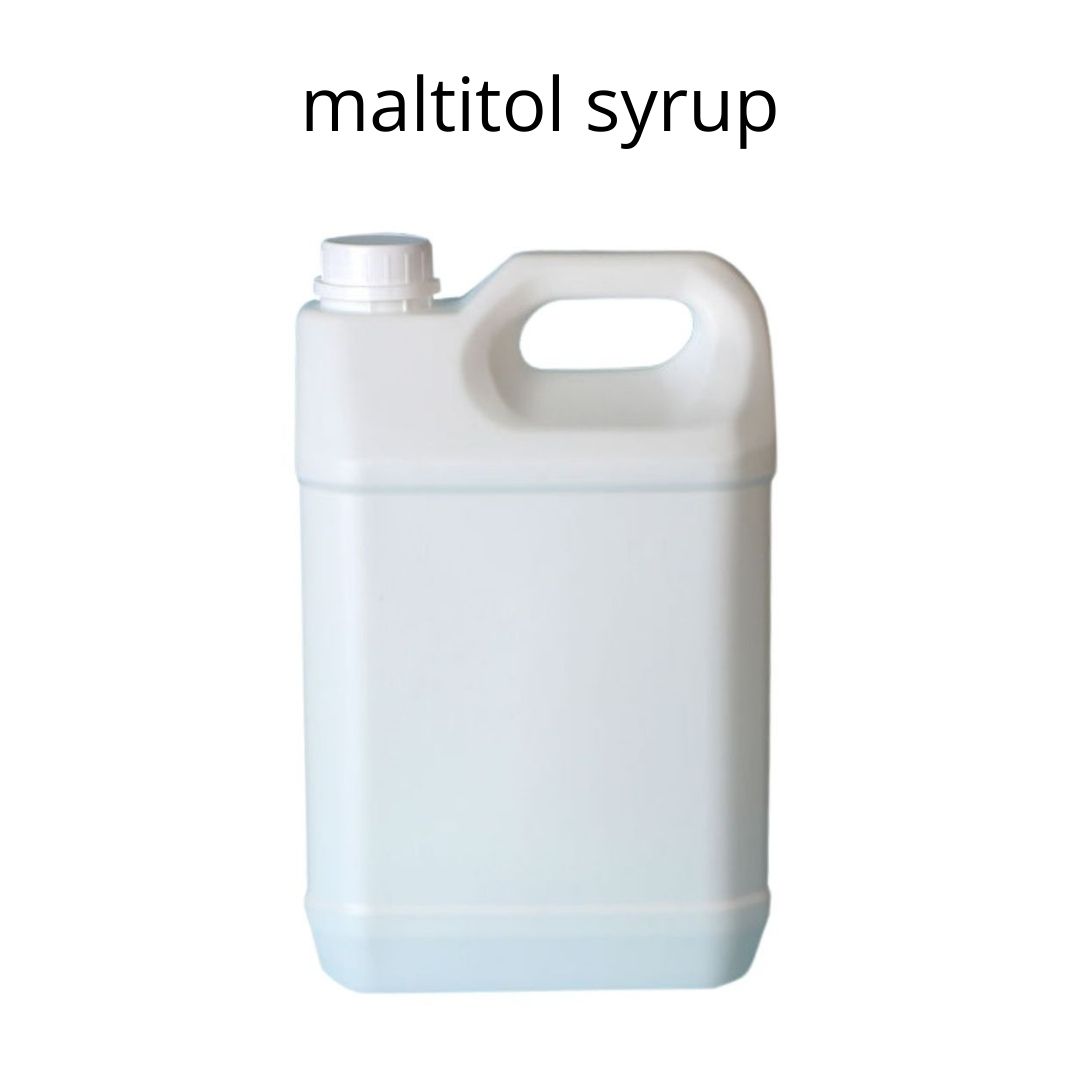
Maltitol syrup, a hydrogenated maltose syrup, is a versatile ingredient widely used as a sugar substitute. It belongs to a group of polyols, also known as sugar alcohols, which are commonly employed due to their lower calorie content and minimal impact on blood glucose levels [1]. Maltitol syrup is produced by the hydrogenation of maltose, a disaccharide, obtained from starch [2]. The resulting syrup is a clear, colorless, viscous liquid and offers a sweetness profile similar to sucrose, making it a popular choice, for those seeking to reduce sugar intake [3].
Product Manufacturing Process
The production of maltitol syrup involves a well-defined process, beginning with starch, typically derived from corn or wheat [4]. This starch undergoes enzymatic hydrolysis to yield a mixture rich in maltose [5]. The maltose is then purified and subjected to hydrogenation, where hydrogen gas is added under high pressure and in the presence of a catalyst, such as nickel [6]. This process converts maltose into maltitol [7]. The resulting solution is further purified, concentrated, and refined to obtain maltitol syrup of desired purity and viscosity [8].
Product Applications
Maltitol syrup boasts diverse applications across various industries, primarily as a sugar substitute. In the food industry, it is frequently used in confectionery products, such as sugar-free candies, chocolates, and chewing gum, to provide sweetness without the high caloric content of sugar [9]. It is also used in baked goods, ice cream, and jams [10]. Beyond food, maltitol syrup finds use in the pharmaceutical industry as an excipient in tablets and syrups, and in the cosmetic industry in lotions and creams [11]. Its humectant properties help retain moisture, enhancing product texture and shelf life [12].
Packaging and Storage
Maltitol syrup is typically packaged in food-grade containers, such as drums, IBCs (Intermediate Bulk Containers), or tank trucks, depending on the quantity required [13]. Proper storage is essential to maintain its quality and prevent degradation. It should be stored in a cool, dry place, away from direct sunlight and extreme temperatures [14]. Ideal storage temperatures range from 15°C to 25°C [15]. Under these conditions, maltitol syrup has a shelf life of approximately two years [16]. It is crucial to ensure the containers are tightly sealed to prevent moisture absorption and maintain product integrity [17].
Citations:
[1] Livesey, G. (2003). Health potential of polyols as sugar replacers, with emphasis on low glycaemic properties. Nutrition Research Reviews, 16(2), 163-191.
[2] Mäkinen, K. K. (2016). Sugar alcohols as food ingredients. Annual Review of Food Science and Technology, 7, 25-43.
[3] Mitchell, H. L. (2006). Sweeteners and sugar alternatives in food technology. Blackwell Publishing.
[4] загуглить Starch source for maltitol production.
[5] ще загуглить Enzymatic hydrolysis of starch.
[6] загуглить Hydrogenation process of maltose.
[7] загуглить Conversion of maltose to maltitol.
[8] загуглить Purification and refining of maltitol syrup.
[9] O’Donnell, K., & Kearsley, M. W. (2012). Sweeteners: function, health aspects and applications. Woodhead Publishing.
[10] загуглить Applications of maltitol syrup in baked goods.
[11] загуглить Maltitol syrup in pharmaceutical applications.
[12] загуглить Humectant properties of maltitol syrup.
[13] загуглить Packaging of maltitol syrup.
[14] загуглить Storage conditions for maltitol syrup.
[15] загуглить Ideal storage temperature for maltitol syrup.
[16] загуглить Shelf life of maltitol syrup.
[17] загуглить Importance of sealed containers for maltitol syrup.

As the plant manager, I focus on the precise formulation and efficient production of food additives. We rigorously control the production process to ensure the quality and safety of each product, meeting industry standards. 🍴