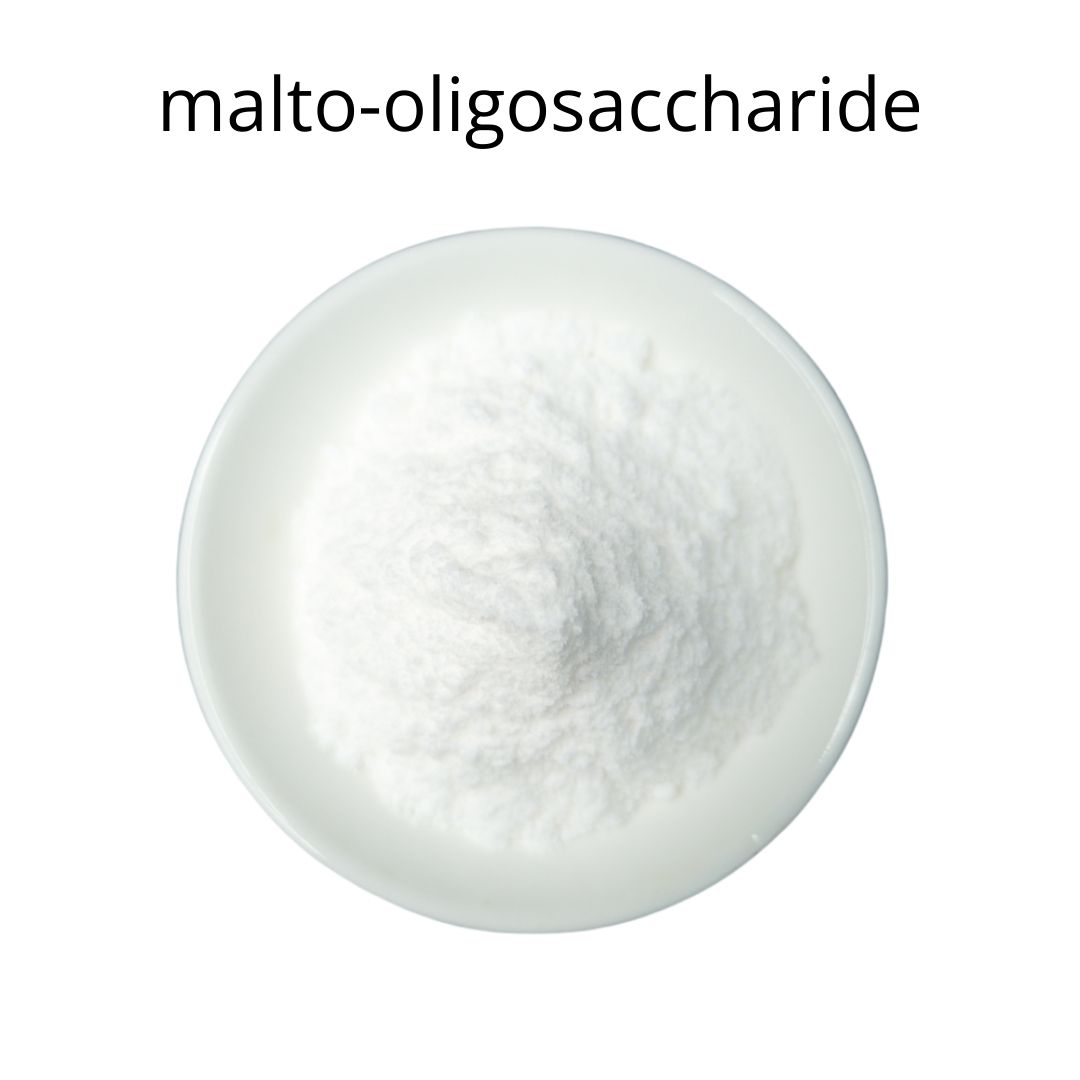
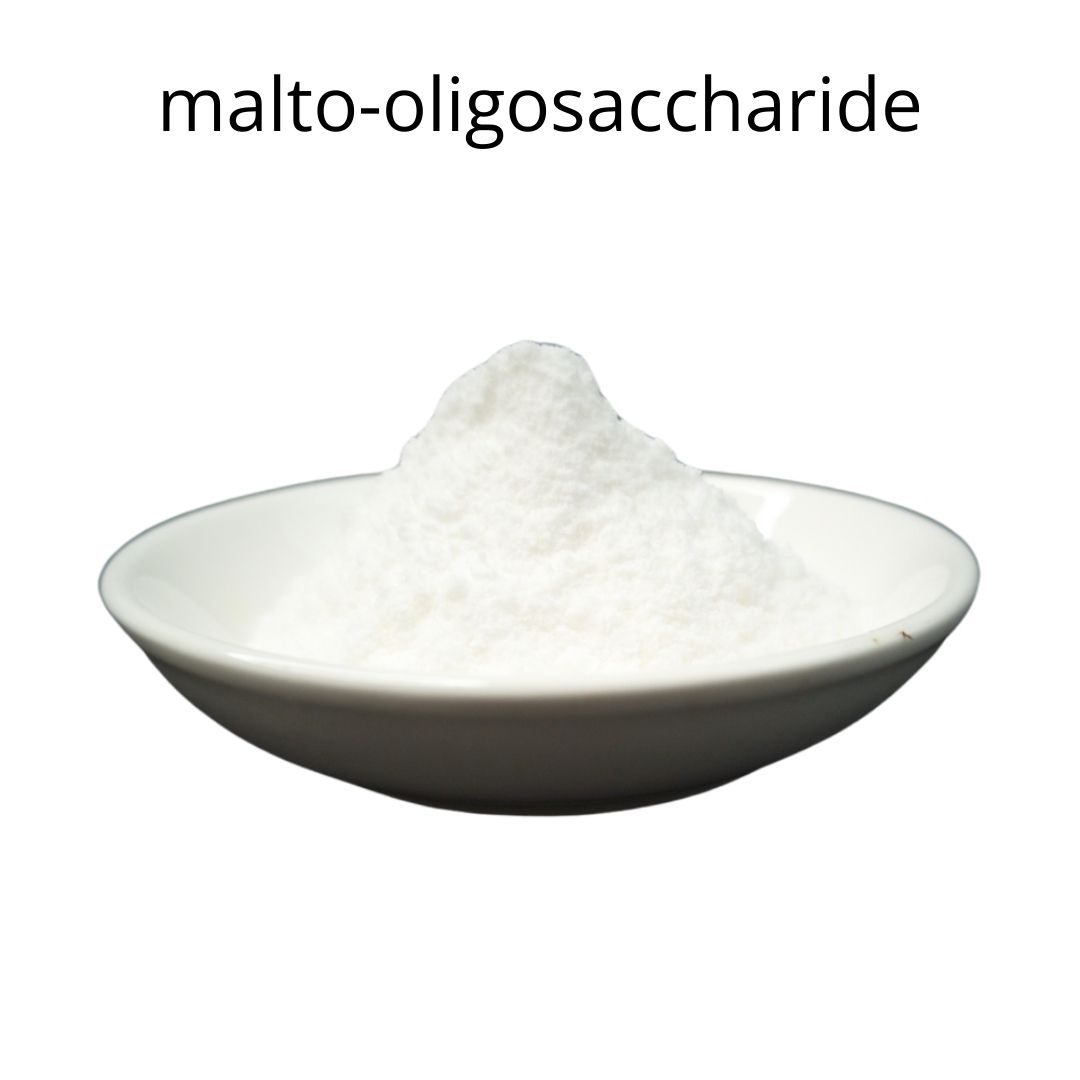
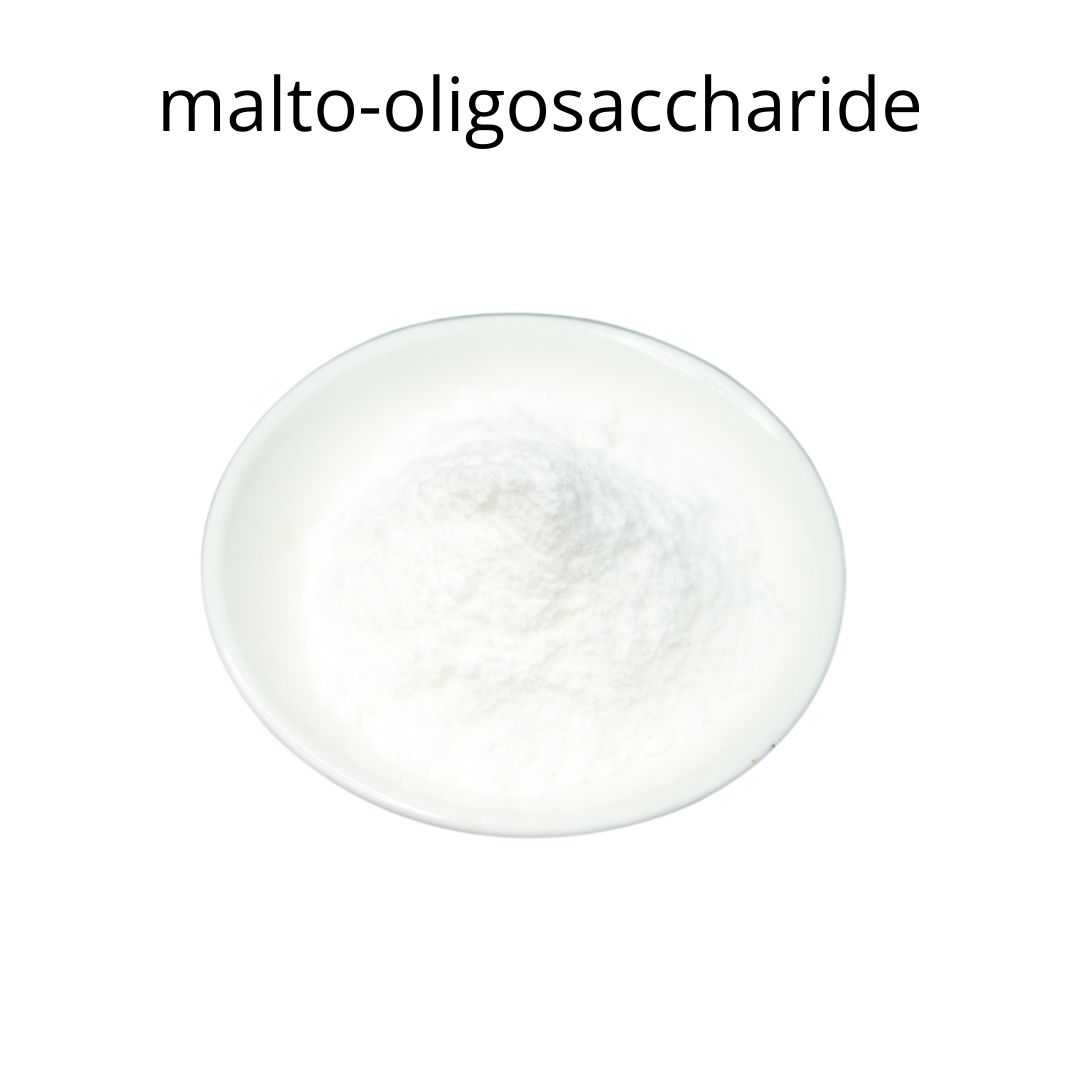


Malto-oligosaccharide, also known as maltodextrin, is a polysaccharide derived from starch. It is produced through partial hydrolysis, a process that breaks down starch into smaller glucose units. Maltodextrin is composed of D-glucose units connected in chains of variable lengths. The glucose units are linked primarily by α-(1→4) glycosidic bonds. Shorter chain lengths give maltodextrin different properties.
The manufacturing process of malto-oligosaccharide begins with a starch source, such as corn, potato, rice, or wheat. First, the starch is gelatinized by heating it in water, which causes the starch granules to swell and form a viscous suspension. Then, enzymes, such as alpha-amylase, are added to the starch suspension to catalyze hydrolysis. This enzymatic reaction breaks down the starch into shorter chains of glucose molecules. The extent of hydrolysis is carefully controlled to achieve the desired dextrose equivalent (DE) value. The DE value indicates the degree of starch hydrolysis, with lower DE values corresponding to longer chain lengths and higher DE values indicating shorter chains. The resulting solution is then refined by filtration and deionization to remove impurities and unwanted by-products. Finally, the purified malto-oligosaccharide solution is concentrated and spray-dried to obtain a white or off-white powder.
Malto-oligosaccharide has a wide range of applications in the food and beverage industry. It is often used as a bulking agent to add volume to foods without significantly increasing sweetness. In powdered beverages, it acts as a carrier for flavors and other ingredients, aiding in dispersion. It also functions as a texture modifier, improving mouthfeel in products such as sauces and desserts. In the pharmaceutical industry, malto-oligosaccharide is used as an excipient in tablets and capsules, providing binding and coating properties. It can also be used in sports drinks as a source of easily digestible carbohydrates, providing energy during physical activity.
Malto-oligosaccharide should be stored in a cool, dry place, away from direct sunlight and moisture. Proper packaging is essential to maintain its quality and prevent caking or clumping. The product is typically packaged in multi-layer paper bags with a polyethylene liner or in bulk bags. Under these conditions, the shelf life of malto-oligosaccharide is generally two years.
Citations:
- Anderson, R. A., et al. "The Composition of Corn Starch and its Effect on Products." Journal of the American Oil Chemists' Society 55.1 (1978): 50-54.
- Morrison, W. R. "Lipids in Cereal Starches: A Review." Journal of Cereal Science 17.2 (1993): 99-111.

As the plant manager, I focus on the precise formulation and efficient production of food additives. We rigorously control the production process to ensure the quality and safety of each product, meeting industry standards. 🍴