

Product Introduction
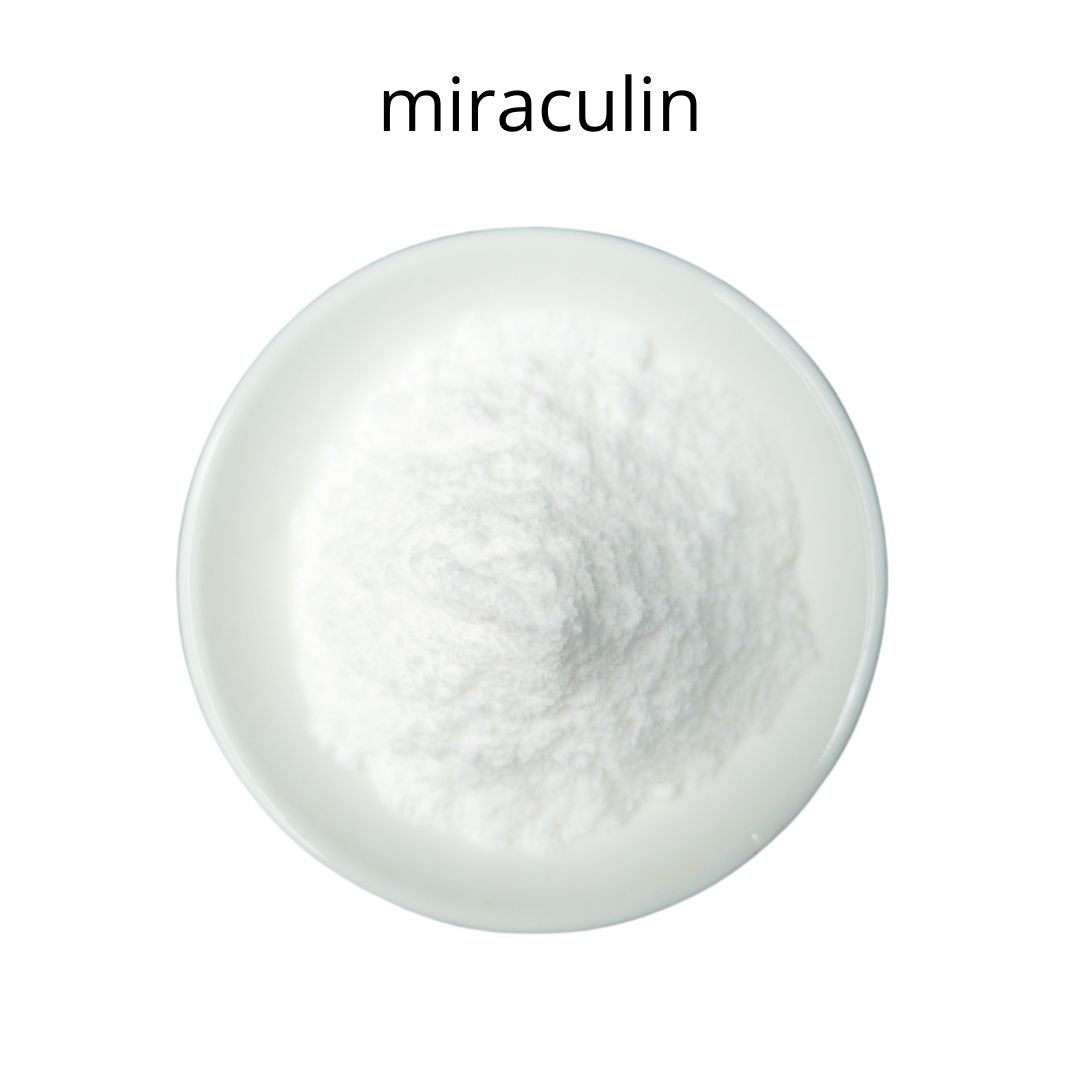
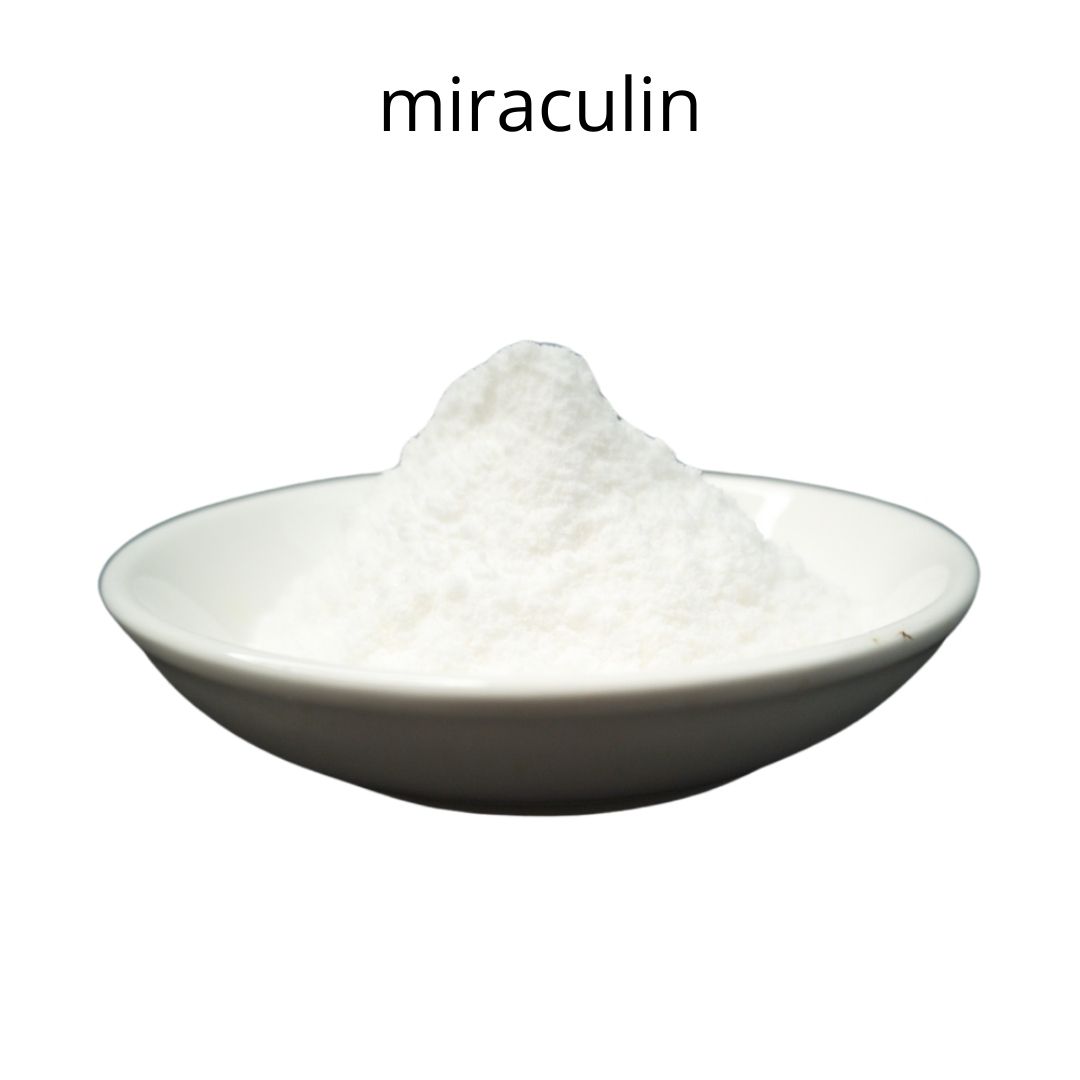
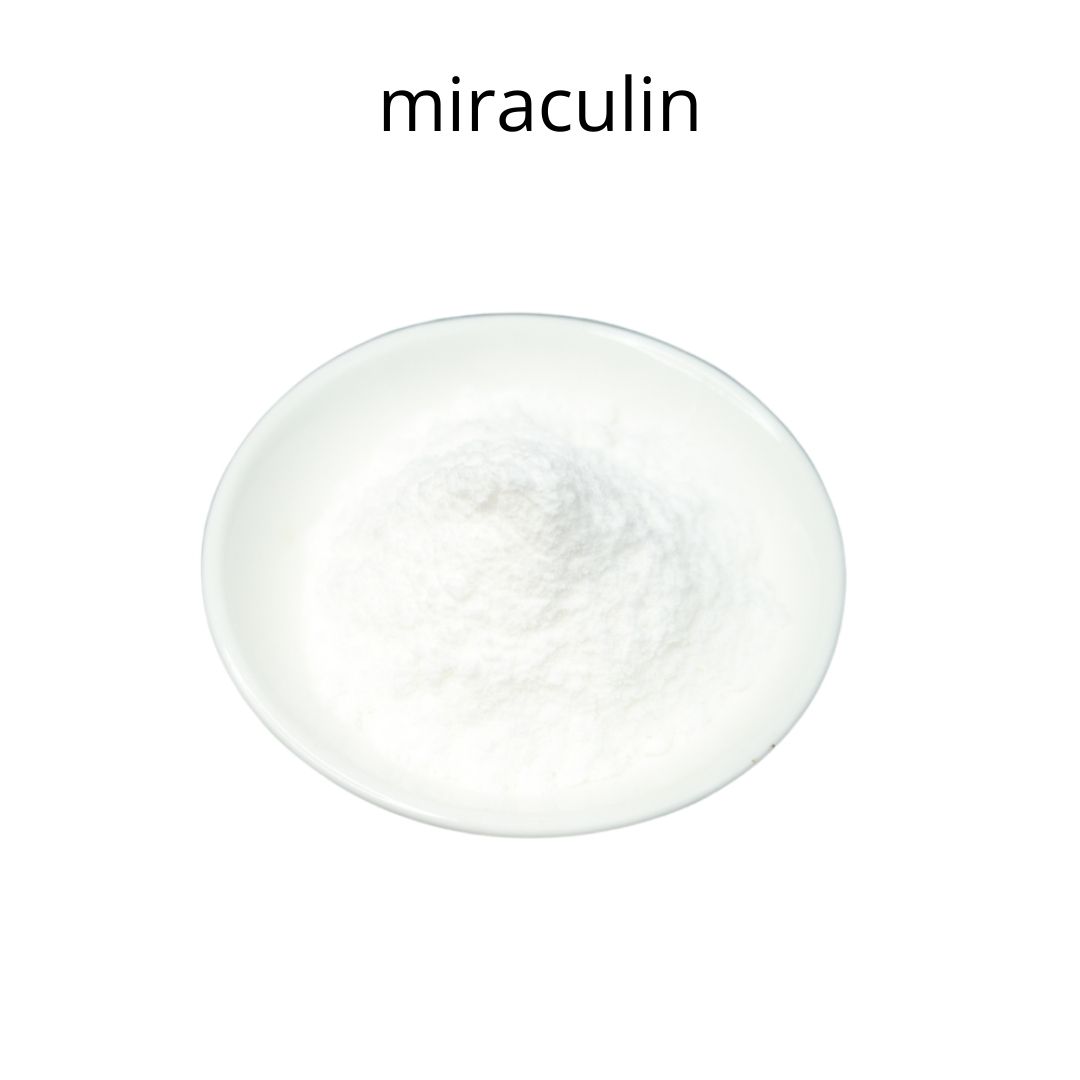
Miraculin is a taste-modifying glycoprotein, extracted from the berries of Synsepalum dulcificum, also known as the miracle berry. The glycoprotein is known for its unique ability to alter the perception of taste. After exposure to miraculin, sour foods are perceived as sweet. This effect can last up to an hour. The protein itself does not have a distinct taste.
Product Manufacturing Process
The manufacturing process typically involves several steps. First, miracle berries are harvested, inspected, and cleaned. The protein is extracted from the berries via aqueous extraction, then purified. Purification methods often include filtration and chromatography to isolate the miraculin. The purified extract is then concentrated and dried, commonly through freeze-drying or spray-drying, to obtain a stable powder form. The particle size is controlled through milling and sieving to achieve the desired 80 mesh size. Finally, the product undergoes rigorous quality control testing, including HPLC analysis, to ensure purity and activity.
Product Applications
Miraculin is primarily used as a sweetener and taste modifier. It can be utilized to improve the palatability of healthy but tart foods, such as citrus fruits and yogurt, without adding extra calories. It also has potential applications for individuals with medical conditions where taste perception is altered, such as chemotherapy patients experiencing taste distortions, helping them enjoy food again. Additionally, miraculin can be used in the development of novel food products and beverages, to create unique flavor profiles and reduce the need for traditional sweeteners.
Packaging and Storage
Miraculin is typically packaged in airtight containers with moisture-resistant lining to protect it from humidity and oxidation; this helps maintain its stability and prevent degradation. Recommended storage conditions include keeping the product in a cool, dry place, away from direct sunlight and high temperatures; temperatures below 25°C are ideal. Following proper packaging and storage guidelines helps ensure the product retains its quality and efficacy throughout its shelf life of 2 years.
Citations:
- Kurihara, Y. (1992). "Miraculin, a protein with sweet-modifying activity." Nutrition Reviews, 50(9), 349-352. https://doi.org/10.1111/j.1753-4887.1992.tb04334.x
- Imoto, T., Miyasaka, A., Ishima, R., & Akasaka, K. (1991). "Primary structure of miraculin, a sweet-tasting protein with taste-modifying activity." Proceedings of the National Academy of Sciences, 88(6), 2281–2285.

As the plant manager, I focus on the precise formulation and efficient production of food additives. We rigorously control the production process to ensure the quality and safety of each product, meeting industry standards. 🍴