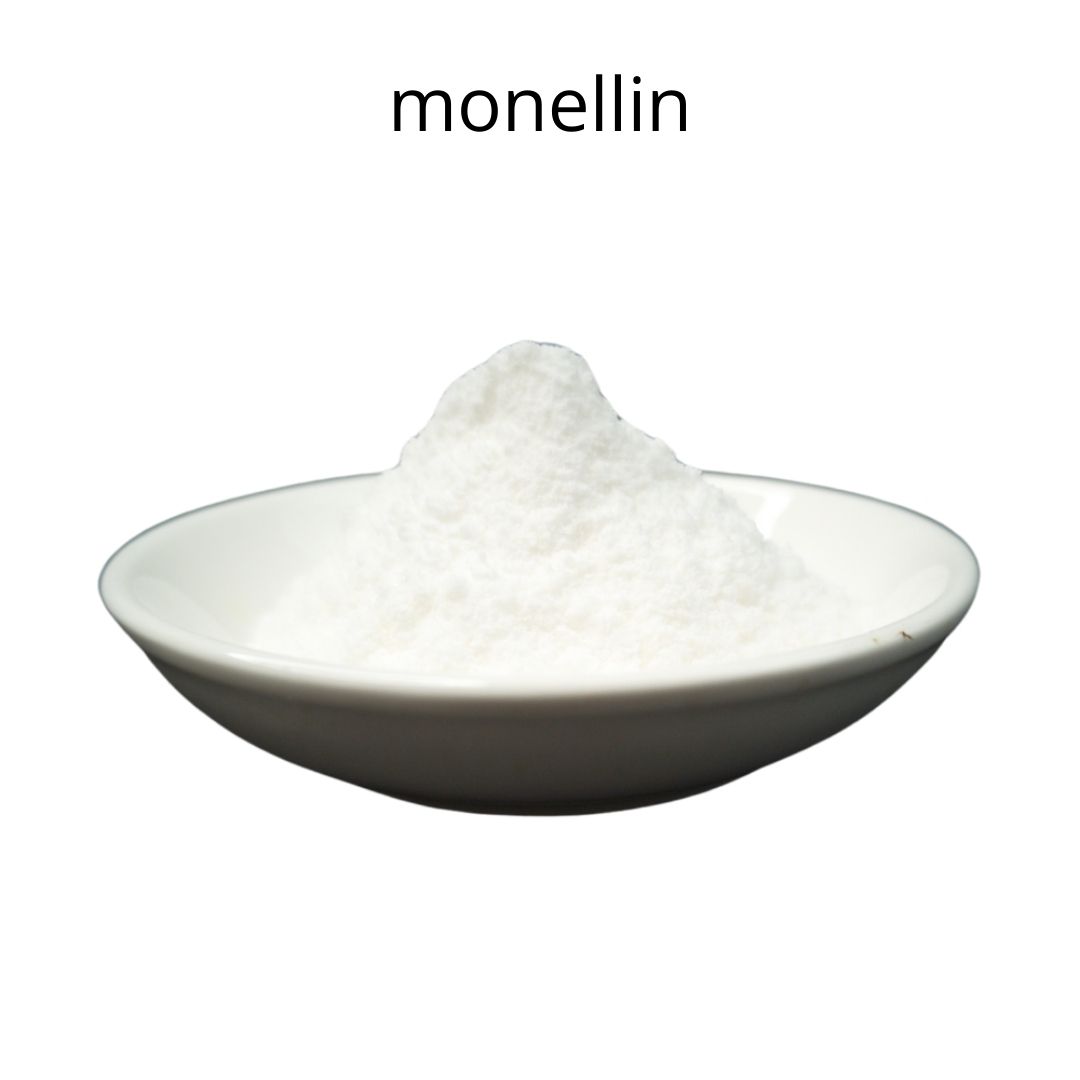


Product Introduction
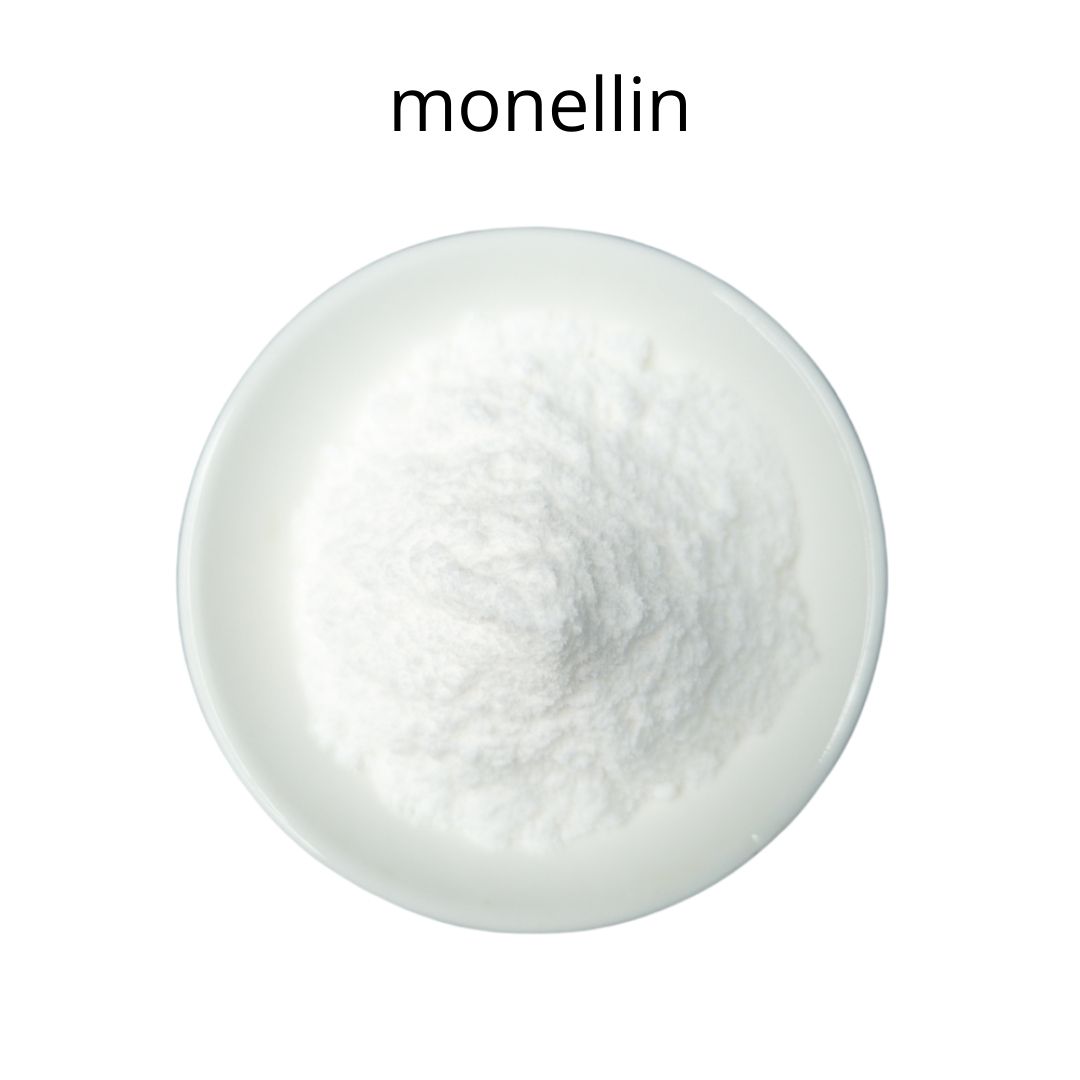
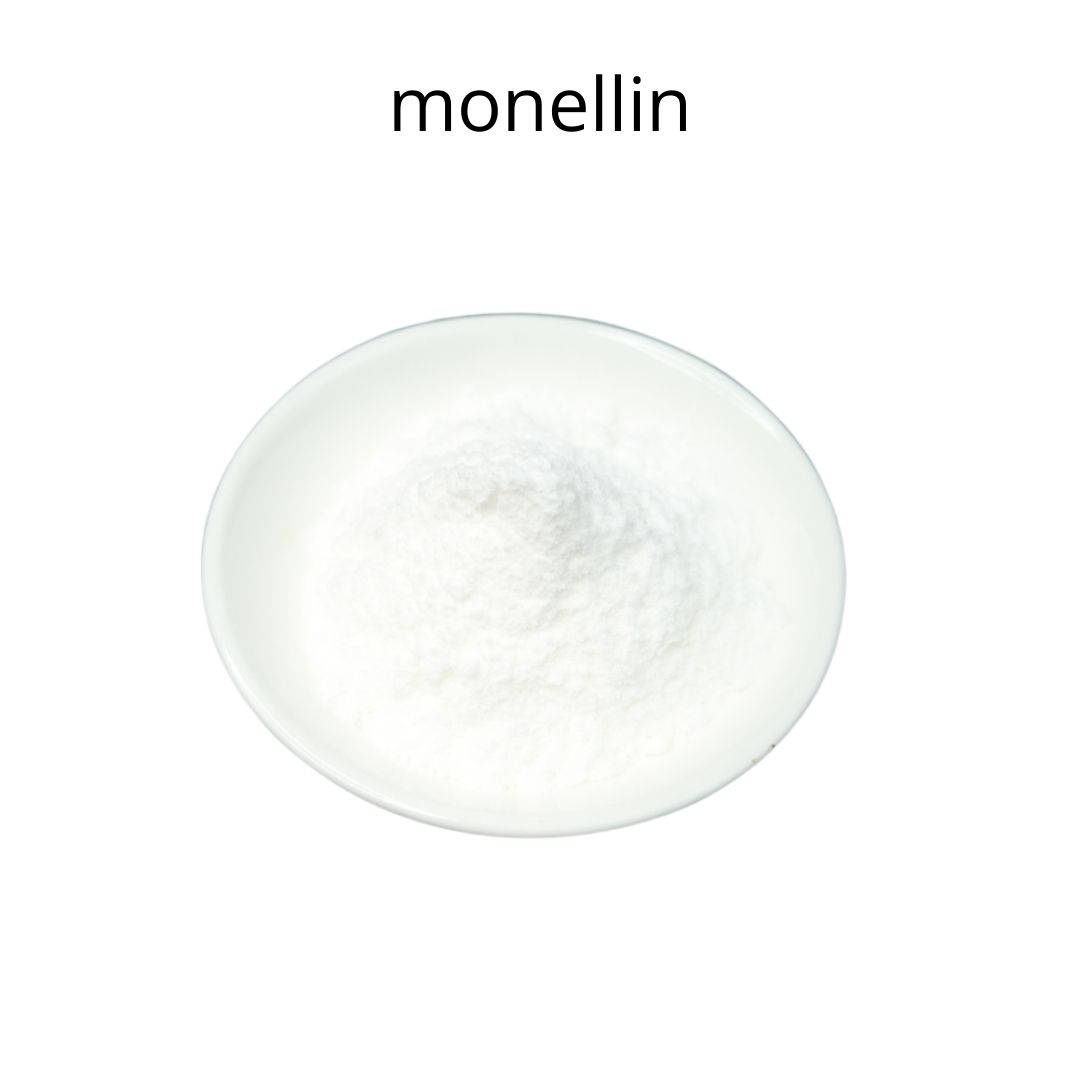
Monellin is a sweet protein, that was initially discovered in the berries of Dioscoreophyllum cumminsii, a plant native to West Africa. This protein is known for its intense sweetness, estimated to be between 1,500 to 3,000 times sweeter than sucrose on a weight basis. Monellin elicits its sweet taste by binding to the T1R2/T1R3 sweet taste receptor in humans and some Old World primates [1, 2]. It has a unique taste profile, characterized by a slow onset of sweetness, and a lingering aftertaste [3].
Product Manufacturing Process
The production of monellin can be achieved through several methods. Initially, it was extracted directly from the berries of Dioscoreophyllum cumminsii. However, this method is not commercially viable due to the limited availability of the plant. Current production methods focus on recombinant DNA technology, where the genes responsible for monellin production are inserted into microorganisms, such as E. coli or yeast [4]. These microorganisms then produce monellin through fermentation processes.
The process generally involves:
- Gene Synthesis and Cloning: The monellin gene is synthesized and inserted into a plasmid.
- Transformation: The plasmid is inserted into a host microorganism.
- Fermentation: The microorganism is cultured in a controlled environment.
- Extraction and Purification: Monellin is extracted from the microorganism and purified through techniques like chromatography.
- Drying: The purified monellin is dried to obtain the final product in powder form.
Product Applications
Monellin is primarily used as a sweetening agent; it can be applied in various food and beverage products. Its intense sweetness allows for use at very low concentrations, which potentially reduces caloric intake compared to sucrose [5].
Applications include:
- Beverages: Used in diet sodas, juices, and flavored water.
- Dairy Products: Incorporated into yogurts and frozen desserts.
- Confectionery: Used in sugar-free candies and chewing gum.
- Taste Masking: Can mask the bitter or metallic aftertastes of certain pharmaceuticals and food additives [6].
- Infant Formula: Could be used to improve the palatability of infant formulas.
Packaging and Storage
Monellin should be packaged in airtight containers to prevent moisture absorption and degradation. Recommended storage conditions include:
- Temperature: Store in a cool, dry place, ideally between 4°C and 25°C.
- Humidity: Keep humidity levels low to prevent clumping.
- Light: Protect from direct sunlight to maintain stability.
Under these conditions, monellin can maintain its quality and sweetness for up to two years.
Citations:
[1] Masuda T, Ohta M, Mahmood HY, Tasaki Y, Ide N, Nakaya K, Taniguchi H. Sweet taste-modifying proteins. Biosci Biotechnol Biochem. 2011;75(6):1003-12.
[2] Slack JP, Brockhoff A, Zhu Y, Li X, Choi TK, Kinnamon SC, Fadool DA, Margolskee RF. Functional expression of the human T1R1+T1R3 umami taste receptor in a mammalian cell line. Biochem Biophys Res Commun. 2007 Nov 23;364(1):36-42.
[3] Spadaro D, Di Pasqua R, Conte A, Mauriello G. Production and biotechnological applications of the sweet-tasting protein monellin. Appl Microbiol Biotechnol. 2012 Dec;96(6):1409-15.
[4] Kim KS, Kang BS, Lee DH, Lee KH, Lee IS, Hwang IK, Kim YR, Lee J. Production of sweet protein monellin in Escherichia coli. J Microbiol Biotechnol. 2007 Jun;17(6):956-61.
[5] Higginbotham JD, Snacken A, DeLisle Milton J. Safety evaluation of thaumatin (Talin protein). Food Chem Toxicol. 1983 Apr;21(2):81-5.
[6] Larson JC, King BM. A review of GRAS status "secondary direct food additives": flavourings, enzymes and enhancers. Food Addit Contam. 1987 Jan;4(1):59-77.

As the plant manager, I focus on the precise formulation and efficient production of food additives. We rigorously control the production process to ensure the quality and safety of each product, meeting industry standards. 🍴