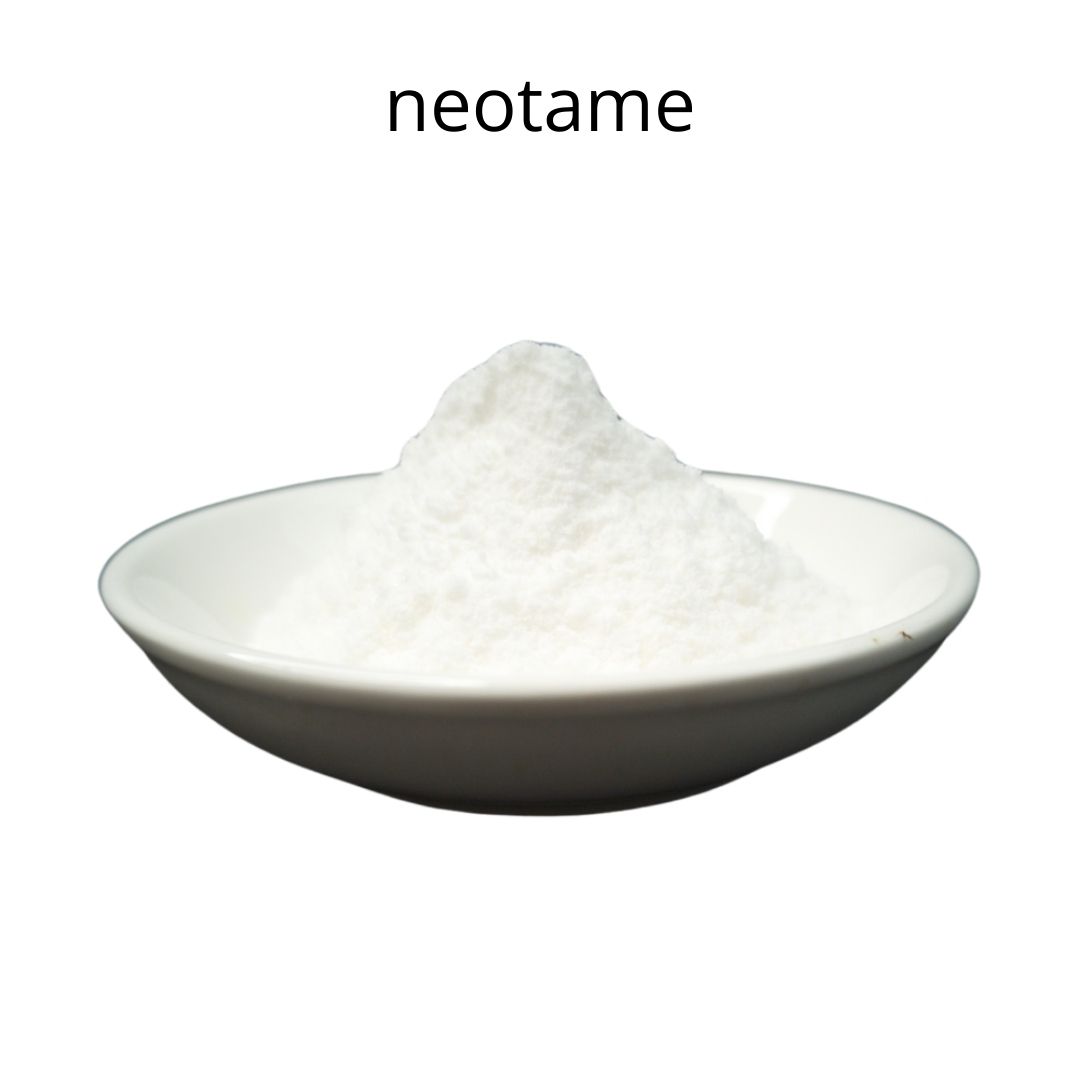


Product Introduction
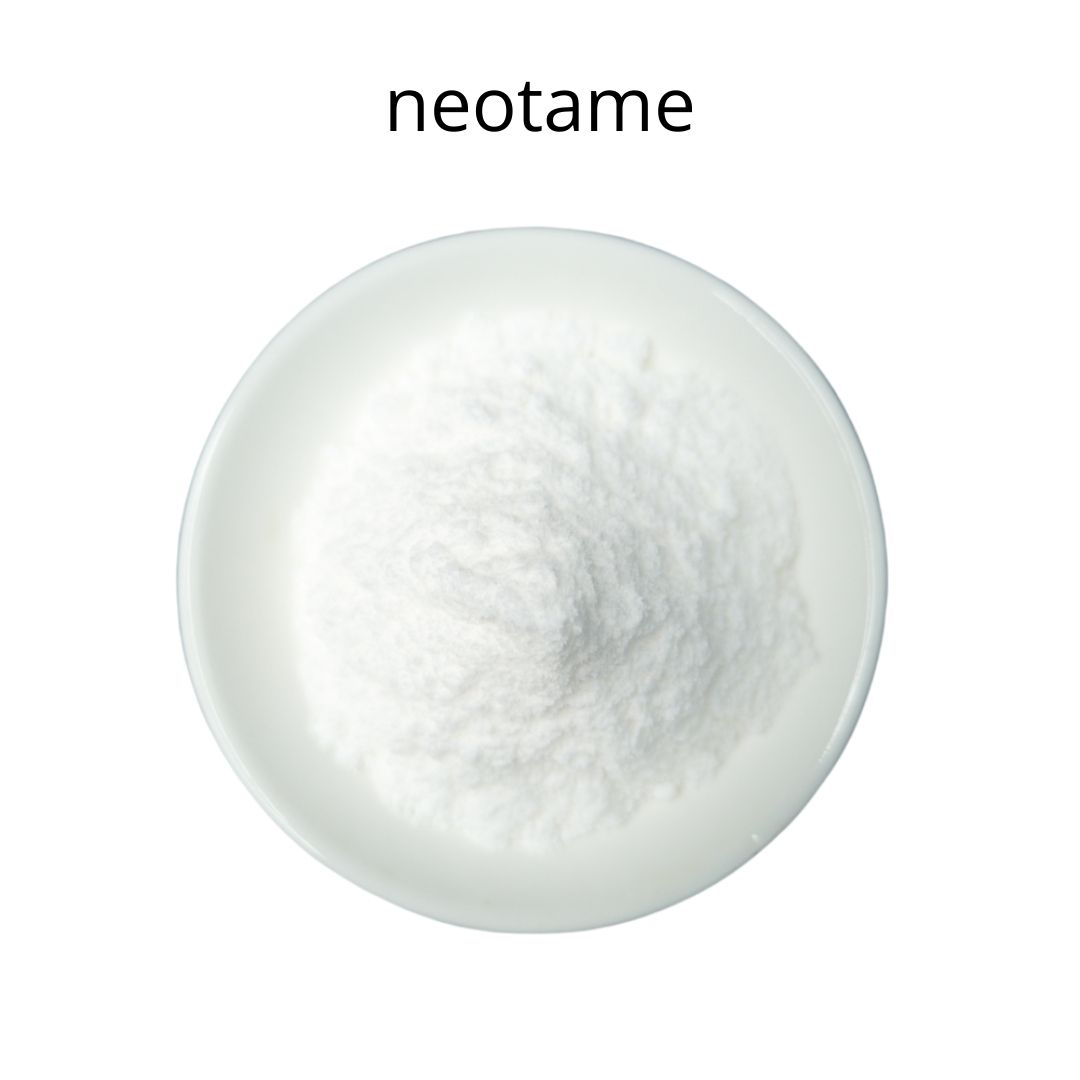
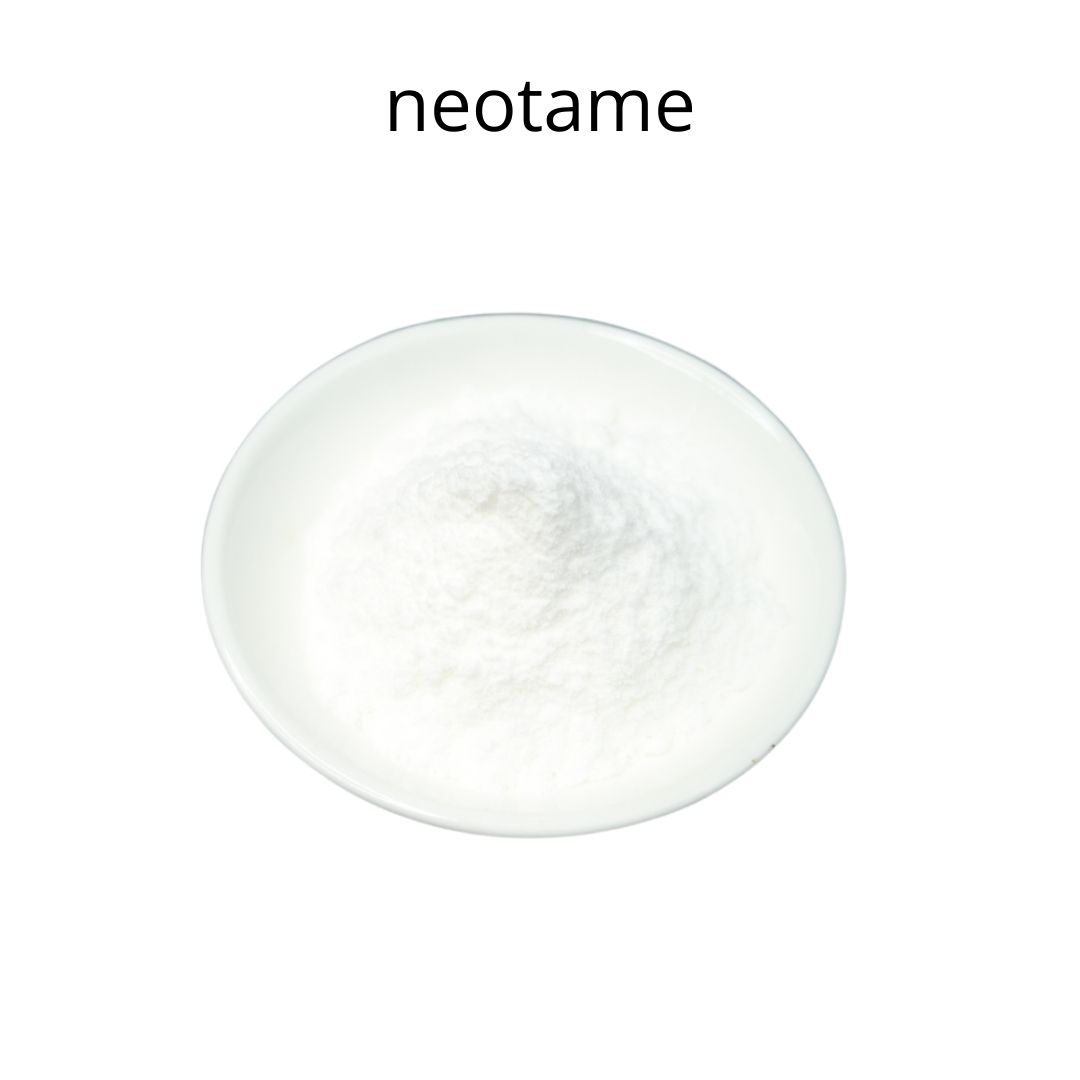
Neotame is a high-intensity artificial sweetener, a derivative of aspartame, but with enhanced stability and a different metabolic pathway. It is approximately 7,000 to 13,000 times sweeter than sucrose, allowing for its use in very small quantities. Neotame does not significantly contribute to caloric intake. Approved for use in various food and beverage products, it offers a sweet taste profile, similar to sugar, without the bitter aftertaste found in some other artificial sweeteners [1].
Product Manufacturing Process
The manufacturing of neotame involves several chemical synthesis steps, starting from L-aspartic acid and L-phenylalanine. First, L-aspartic acid is modified to protect its amino group, followed by activation of the carboxyl group to facilitate peptide bond formation. L-phenylalanine methyl ester is then coupled with the activated L-aspartic acid derivative. A reductive alkylation step is performed, using 3,3-dimethylbutyraldehyde, to introduce the 3,3-dimethylbutyl group on the nitrogen atom of aspartic acid. Finally, the protecting groups are removed to yield neotame. The resulting product is purified through crystallization and drying to obtain the final white powder [2].
Product Applications
Neotame is utilized in a wide array of products due to its intense sweetness and flavor-enhancing properties. In the food industry, it is incorporated into beverages, baked goods, chewing gum, dairy products, and tabletop sweeteners. Its high potency allows manufacturers to use it in small amounts, reducing the overall sugar content and caloric value of the final product. Furthermore, neotame can be found in certain pharmaceutical applications, such as flavored medications, to improve palatability, particularly for pediatric formulations [3].
Packaging and Storage
Neotame is typically packaged in multi-layer, food-grade bags or containers that protect it from moisture, light, and air. Common packaging sizes range from 1 kg to 25 kg, depending on the manufacturer and intended use. It should be stored in a cool, dry, and well-ventilated area, away from direct sunlight and heat sources. Maintaining a consistent storage temperature below 30°C is recommended to ensure the stability and quality of the product throughout its shelf life [4].
Citations:
[1] Product Safety Information from FDA on Neotame. (n.d.). U.S. Food and Drug Administration.
[2] Prakash, I., & DuBois, G. E. (2013). High-Intensity Sweeteners. Comprehensive Reviews in Food Science and Food Safety, 12(6), 573–598.
[3] Magnuson, B. A., Burdock, G. A., Doull, J., Kroes, R. M., Marsh, G. M., Pariza, M. W., … & Williams, G. M. (2007). Aspartame: a safety evaluation based on current use levels, regulatory status, and intake data. Critical Reviews in Toxicology, 37(8), 629-727.
[4] Food Chemicals Codex, 12th Edition. (2020). United States Pharmacopeia.

As the plant manager, I focus on the precise formulation and efficient production of food additives. We rigorously control the production process to ensure the quality and safety of each product, meeting industry standards. 🍴