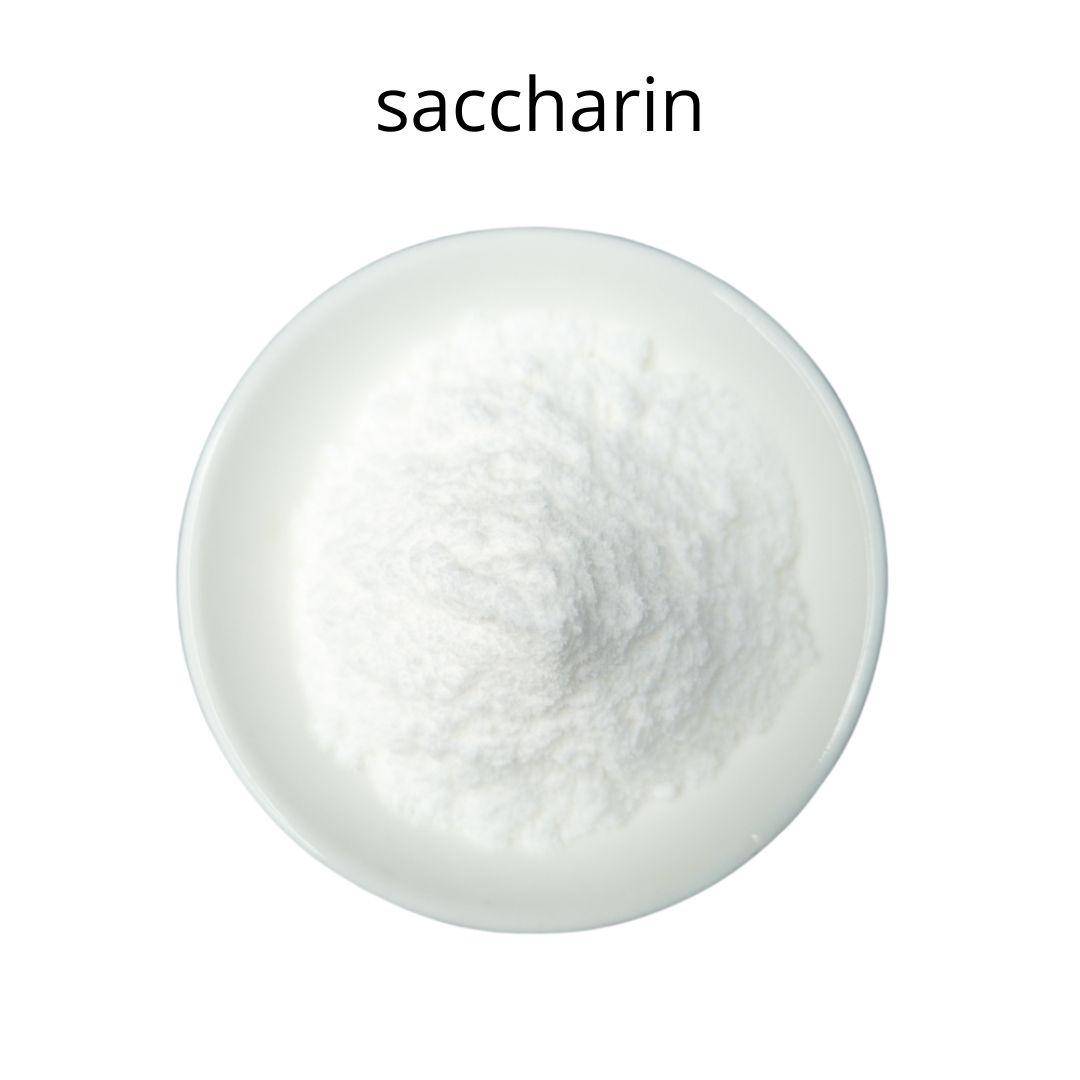
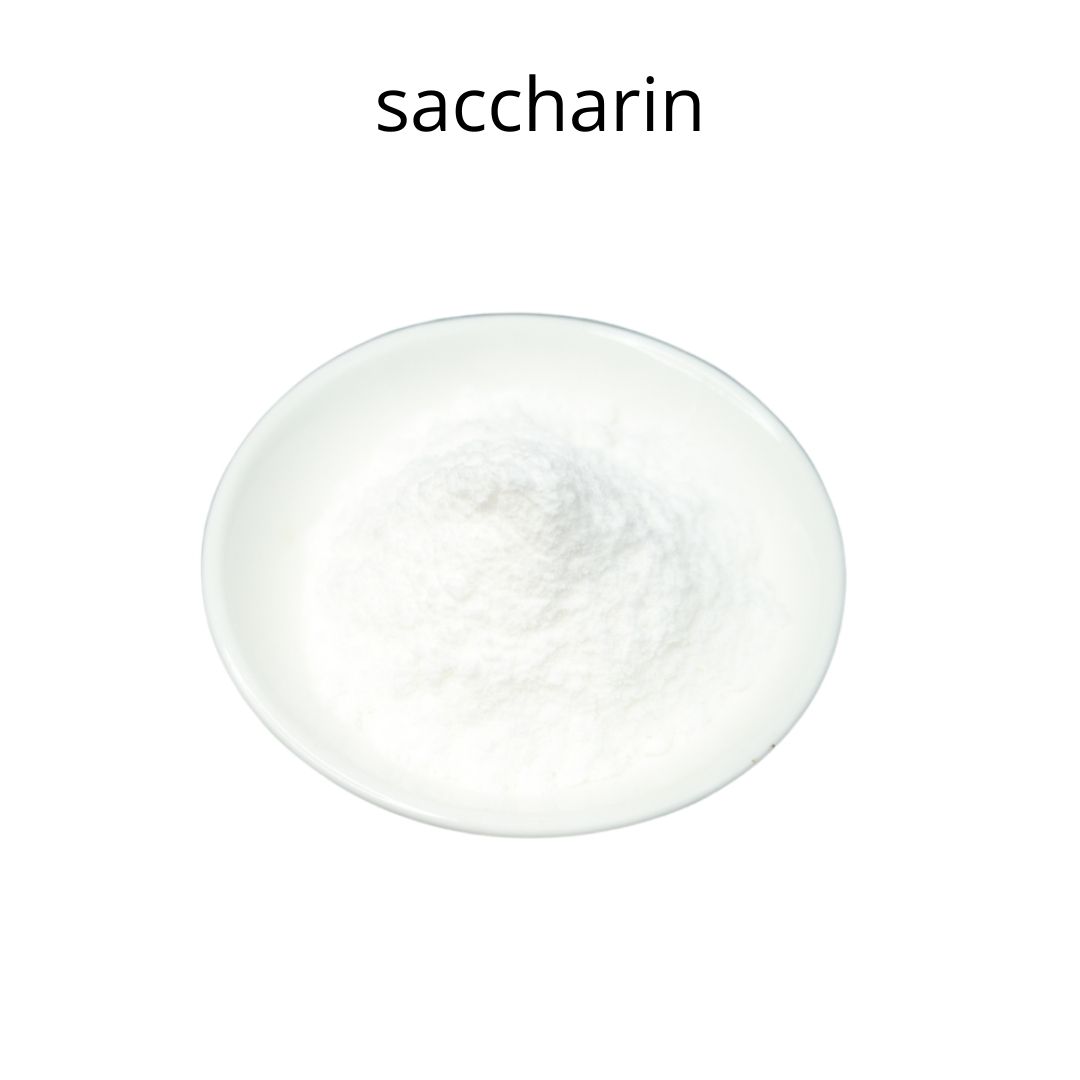
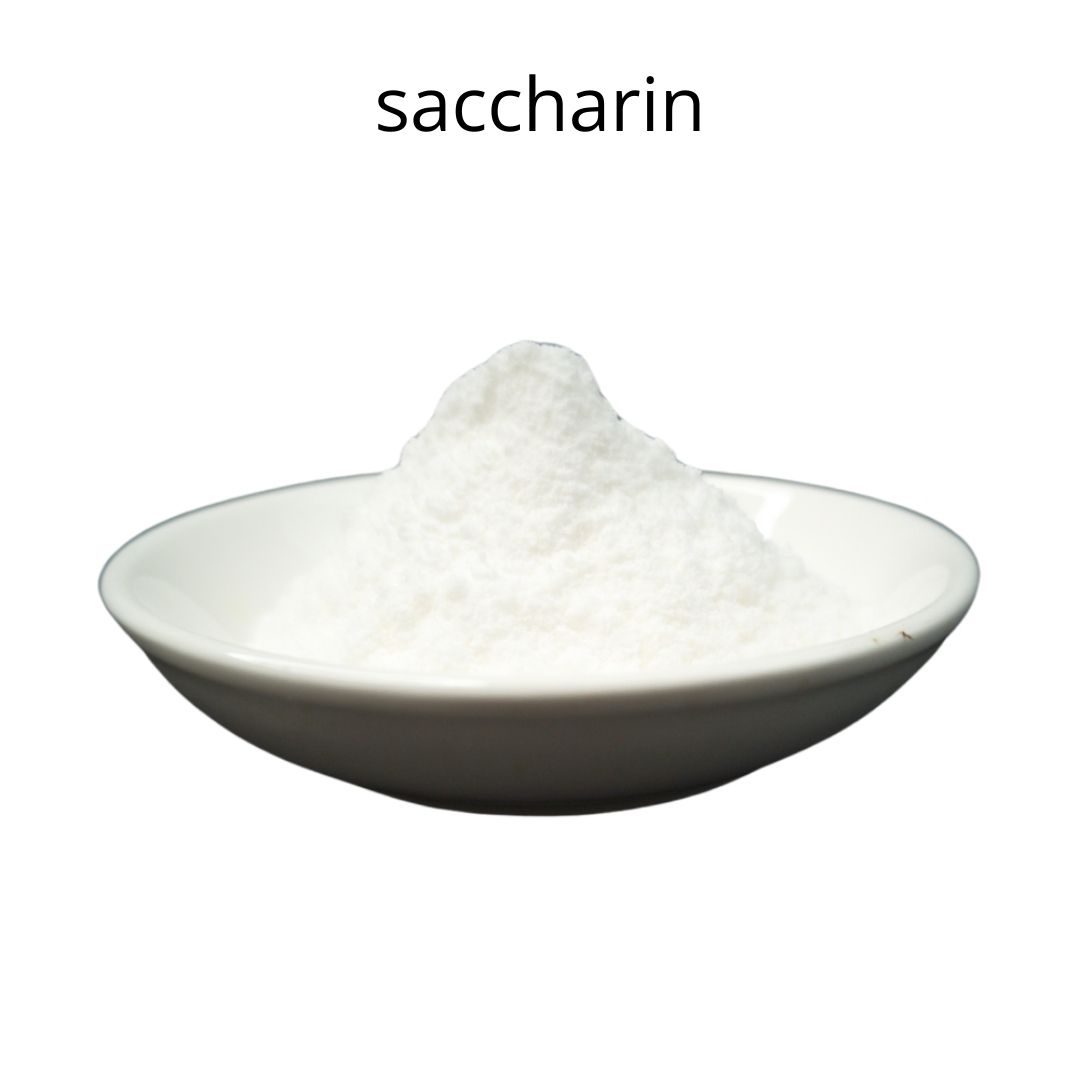


Saccharin is an artificial sweetener, that has effectively zero calories. It is about 300-400 times sweeter than sucrose, commonly known as table sugar. Saccharin is often used to sweeten foods and beverages, without adding calories or affecting blood sugar levels.
The production of saccharin typically involves several chemical processes. One common method starts with toluene, which is then converted to o-toluenesulfonamide. This compound is then reacted with chlorosulfonic acid, and ammonia to form saccharin. After purification, saccharin is converted into its salt form, such as sodium saccharin, for better solubility in water.
Saccharin finds application across various industries, including food and beverage, where it sweetens diet sodas, candies, jams, and baked goods. In the pharmaceutical industry, it is used in the formulation of chewable tablets, cough syrups, and other medications. It can also be found in certain cosmetics, and personal care products as a flavoring agent.
Saccharin should be stored in a cool, dry place, away from direct sunlight and moisture to maintain its quality. It is typically packaged in multi-layer paper bags with polyethylene liners, or fiber drums to protect it from environmental factors and ensure its stability during transportation and storage.
Citations:
- EFSA Panel on Food Additives and Nutrient Sources added to Food (ANS), Mortensen, A., et al. "Re-evaluation of saccharin (E 954) and its sodium, potassium and calcium salts as food additives." EFSA Journal 14.9 (2016): e04467.
- Schlatter, Jürg, and Riccardoোল Tasić. "General aspects of the safety assessment of sweeteners." Sweetness and sweeteners: biology, chemistry, and psychophysics (2014): 243-263.

As the plant manager, I focus on the precise formulation and efficient production of food additives. We rigorously control the production process to ensure the quality and safety of each product, meeting industry standards. 🍴