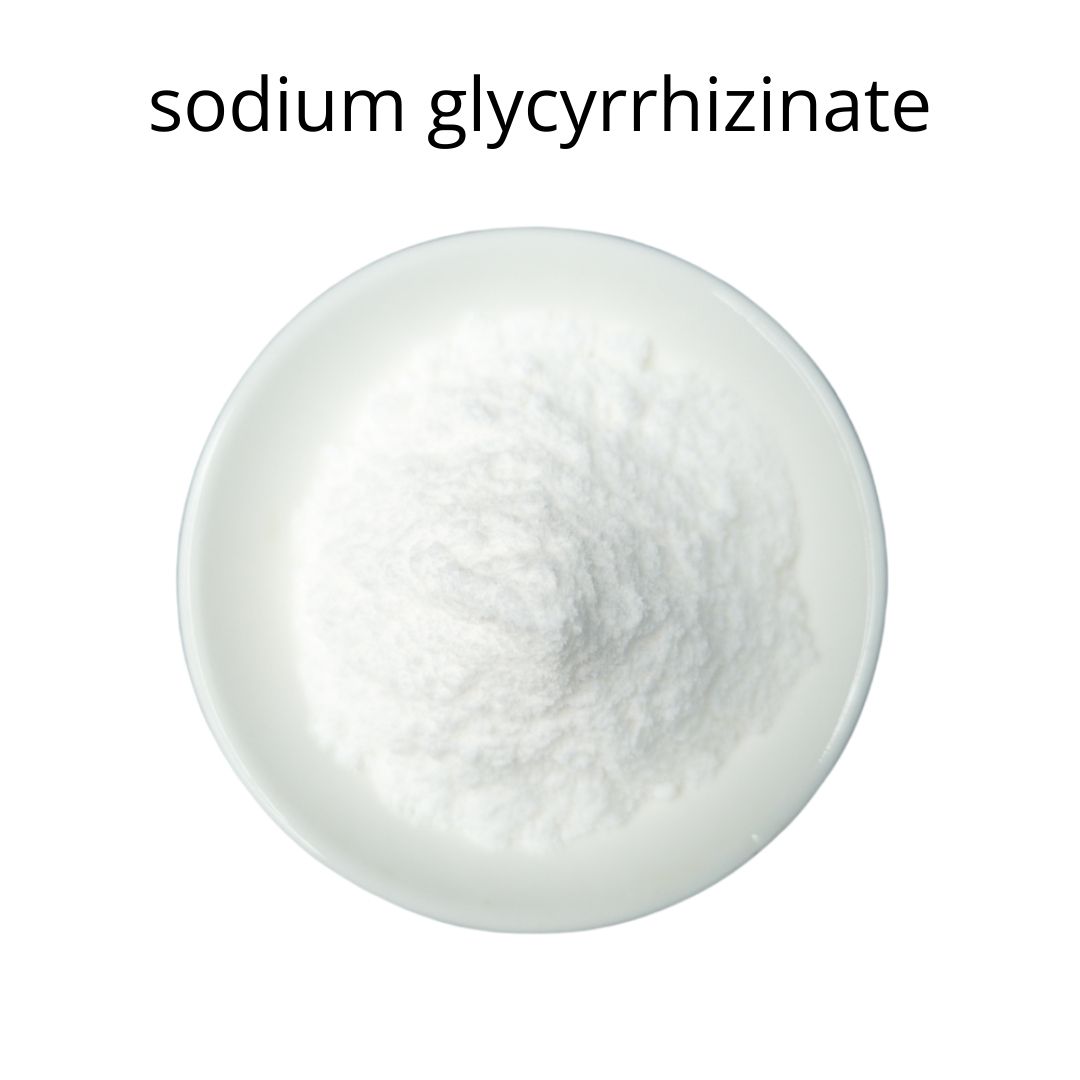
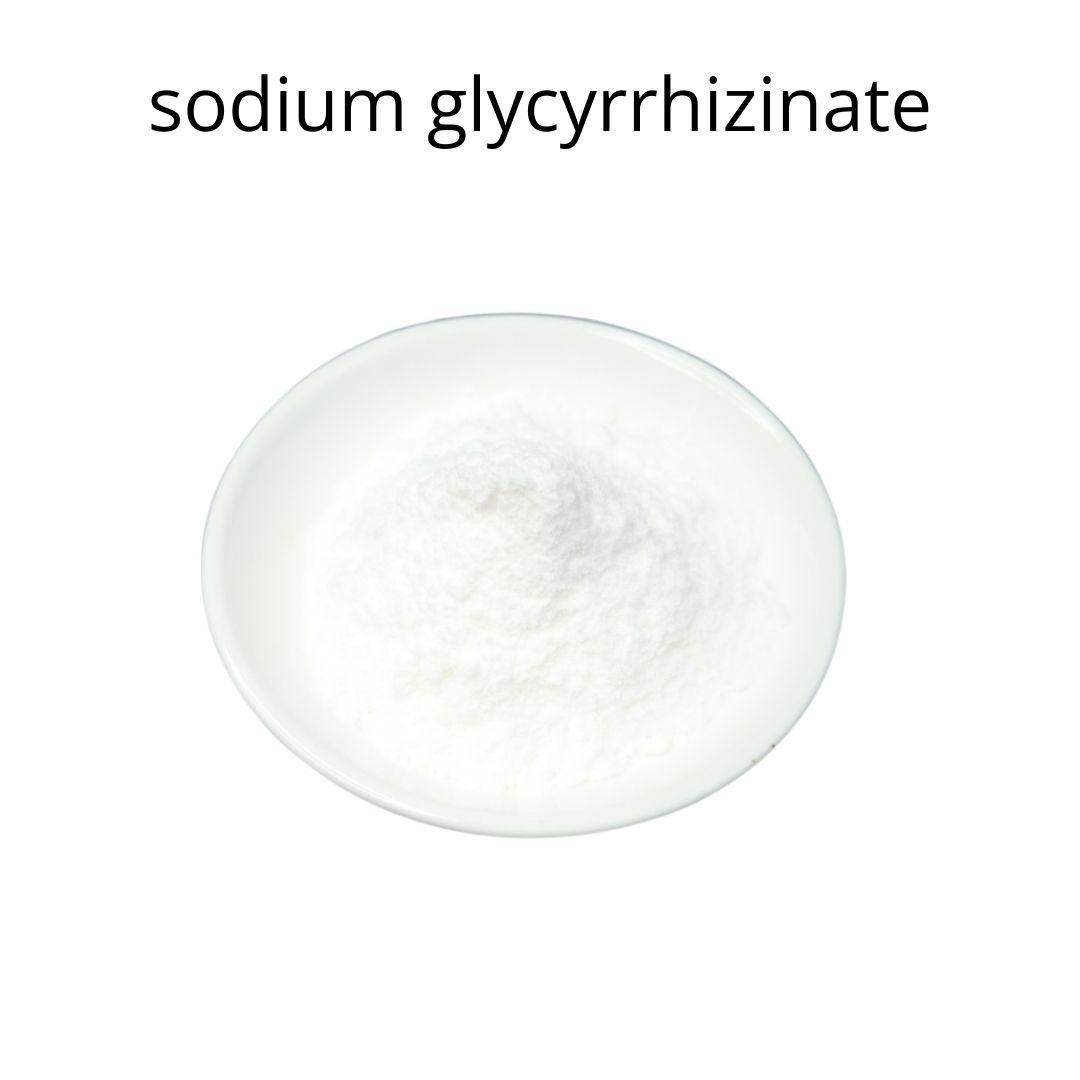
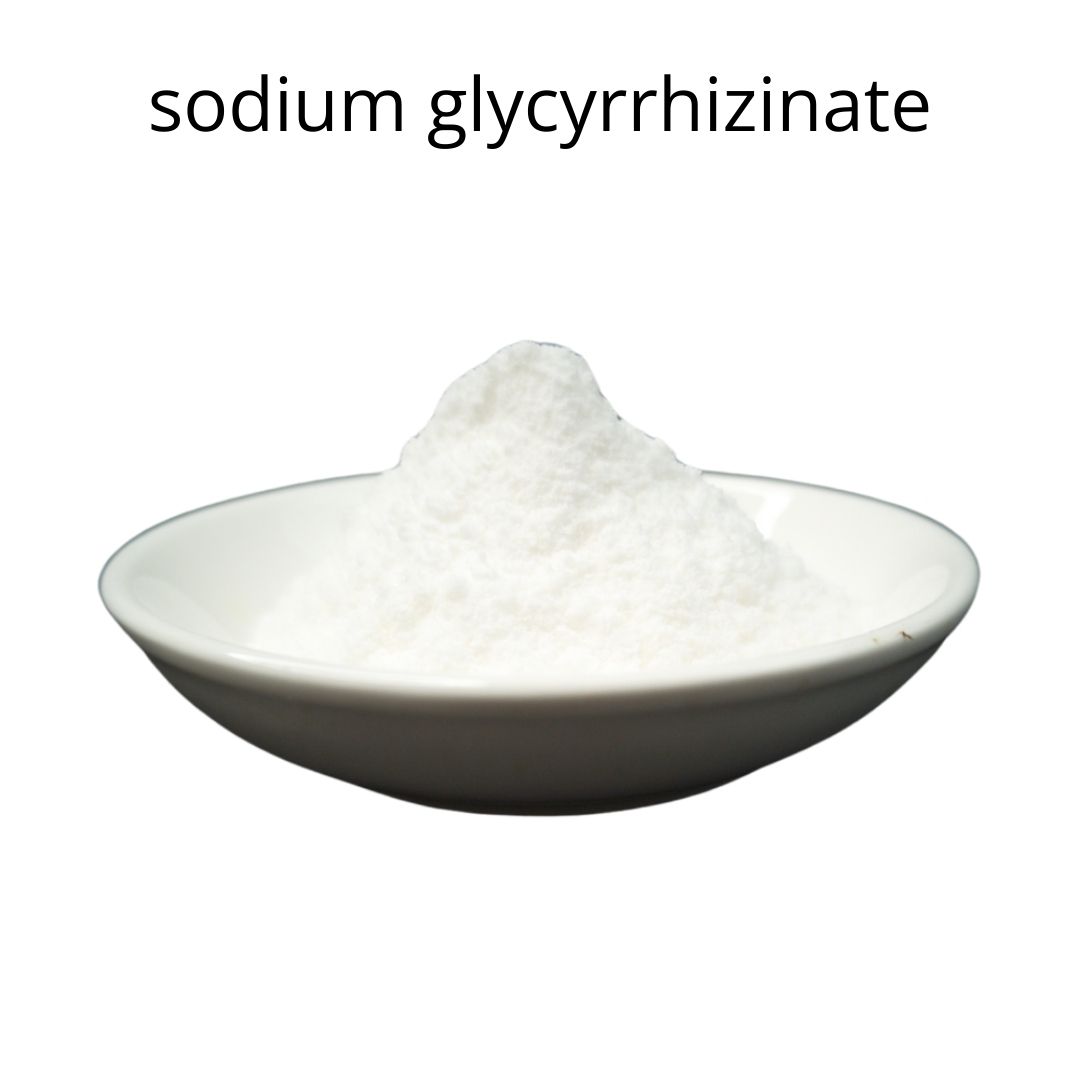


Sodium glycyrrhizinate, a salt form of glycyrrhizic acid, derives from licorice root extract, known scientifically as Glycyrrhiza glabra. It presents as a white to off-white powder, readily soluble in water, contributing to its versatility in application. Its primary function revolves around flavor enhancement, offering a sweet taste profile that is notably more potent than sucrose. It also possesses properties that can mask undesirable flavors, broadening its use in various food and beverage products [1].
The manufacturing process of sodium glycyrrhizinate begins with the extraction of glycyrrhizic acid from licorice roots utilizing water or other solvents. The extract undergoes purification and subsequent neutralization with sodium hydroxide. This reaction yields sodium glycyrrhizinate, which is then refined, filtered, and dried to obtain the final product in powder form [2]. Different extraction and purification techniques influence the purity and taste profile of the end product.
In the food and beverage industry, sodium glycyrrhizinate serves multiple purposes. It functions as a sweetener, flavor enhancer, and masking agent. Its applications span a wide array of products including candies, beverages, sauces, and processed foods. It enhances the sweetness and modifies flavor profiles, often used to reduce the amount of sugar required in a product while maintaining the desired taste. Additionally, it mitigates bitter or metallic aftertastes, thereby improving the overall palatability of the product. Beyond the food sector, its flavor-masking ability finds use in pharmaceutical formulations [3].
For packaging, sodium glycyrrhizinate should be sealed in airtight containers to prevent moisture absorption and maintain product integrity. Storage recommendations include keeping the product in a cool, dry place, away from direct sunlight and extreme temperatures. Following these storage guidelines will help ensure the stability and quality of the ingredient throughout its shelf life [4].
Citations:
[1] Safety and Health Topics | Licorice Root. Occupational Safety and Health Administration. https://www.osha.gov/licorice-root/hazards
[2] Zhao, S. S., Meng, F. F., Zhang, T., Mu, T., & Sun, H. H. (2021). Extraction, separation, and purification of glycyrrhizic acid: A review. Separation and Purification Technology, 279, 119694.
[3] Al-Dujaili, E. A. S., & Muller, M. (2020). A Single-Blinded Randomized Pilot Study of the Effects of Glycyrrhiza glabra (Licorice) on Anthropometric Measures and Markers of Metabolic Syndrome in Obese Patients. Journal of Evidence-Based Integrative Medicine, 25, 2515690X20914757.
[4] Sodium Glycyrrhizinate. Santa Cruz Biotechnology. https://www.scbt.com/p/sodium-glycyrrhizinate-37381-39-8

As the plant manager, I focus on the precise formulation and efficient production of food additives. We rigorously control the production process to ensure the quality and safety of each product, meeting industry standards. 🍴