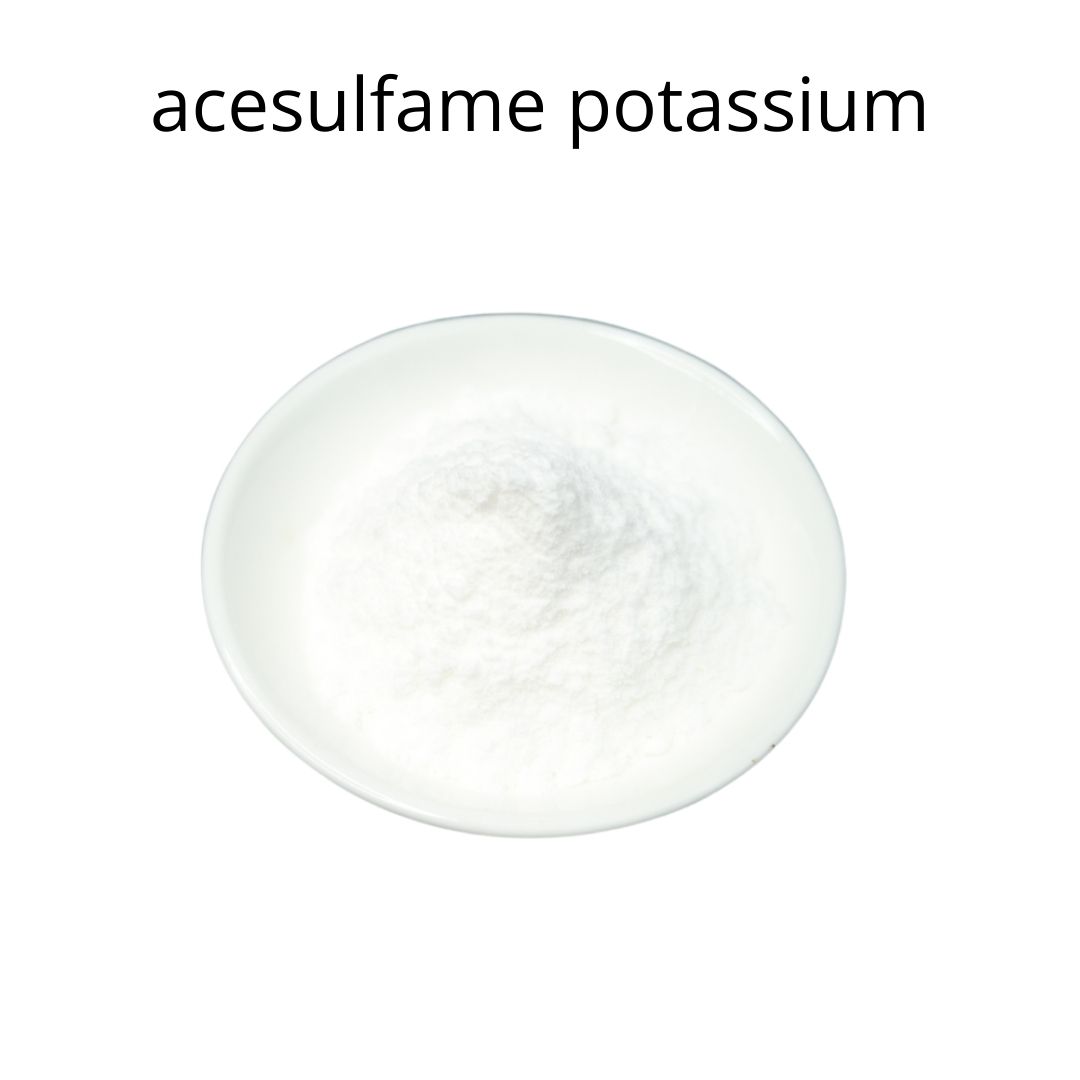


Product Introduction
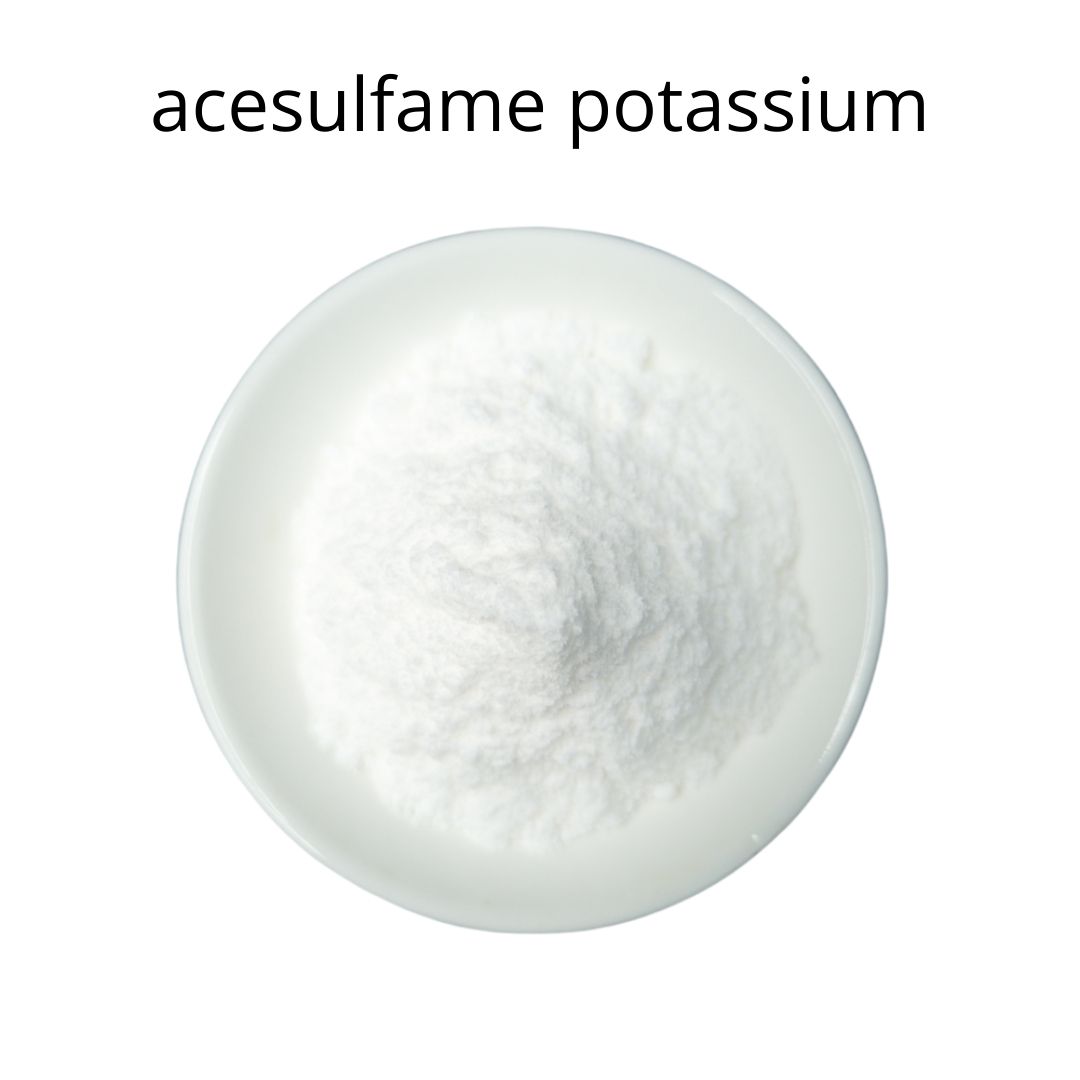
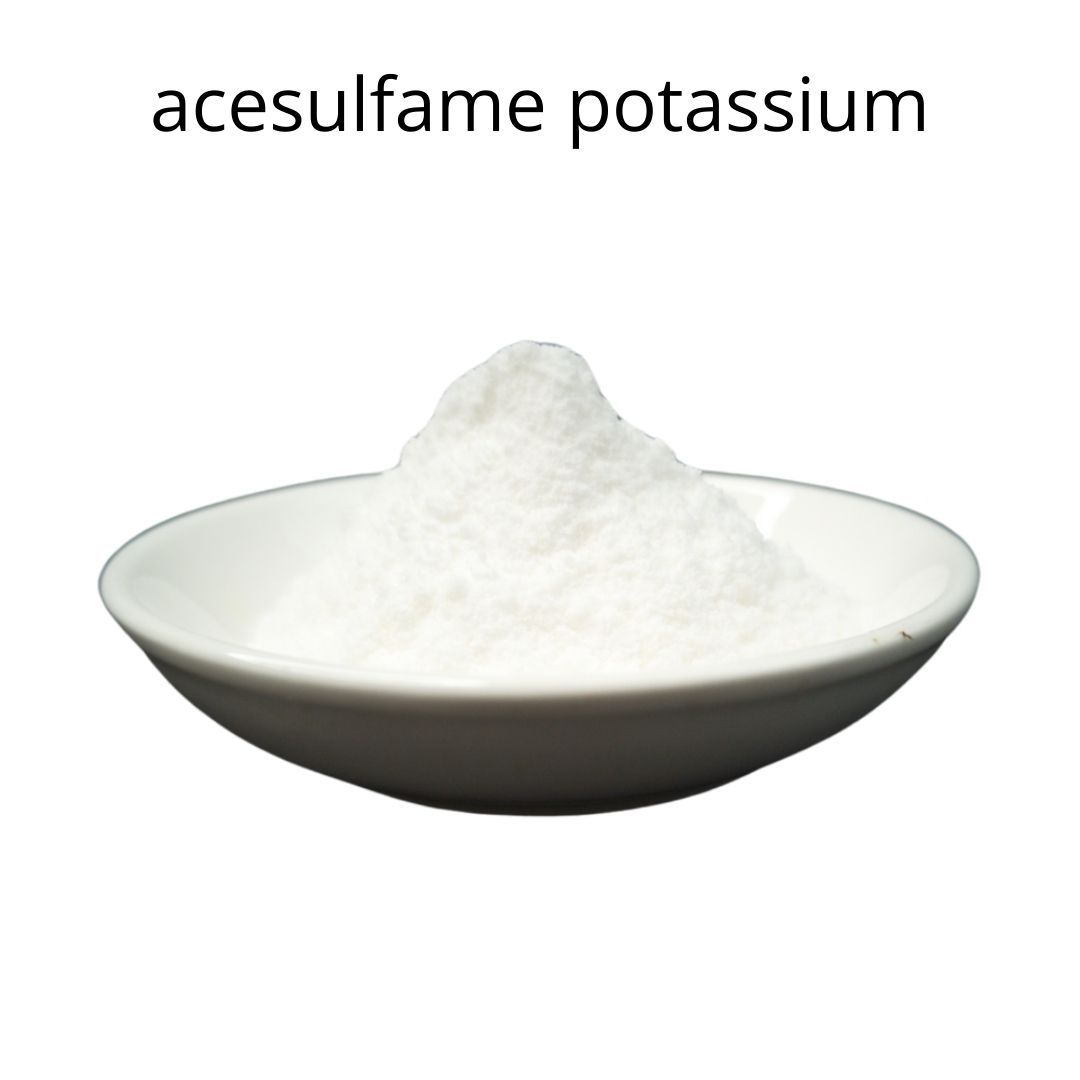
Acesulfame potassium, also known as Ace-K, is a calorie-free artificial sweetener often used in foods and beverages [1]. It's roughly 200 times sweeter than sucrose, or table sugar, and has a slightly bitter aftertaste, which is often mitigated by blending it with other sweeteners [2]. This sweetener does not raise blood sugar levels, because the body does not metabolize it [3]. It is stable under heat, which makes it suitable for baking and cooking applications [4].
Product Manufacturing Process
The production of acesulfame potassium involves several key steps. The process begins with the reaction of acetoacetic acid with chlorosulfonyl isocyanate [5]. This creates an intermediate product, which is then reacted with potassium hydroxide to form acesulfame potassium [6]. The resulting product undergoes purification and crystallization to achieve the desired purity and form [7]. Quality control measures such as HPLC testing are implemented throughout the manufacturing process to ensure the final product meets the required specifications [8].
Product Applications
Acesulfame potassium can be found in a variety of food and beverage products, including sugar-free drinks, baked goods, and tabletop sweeteners [9]. It's often combined with other low-calorie sweeteners like aspartame or sucralose to create a more sugar-like taste profile [10]. Due to its heat stability, it is used in baked goods, where other artificial sweeteners might break down [11]. It is also used in pharmaceutical products, and personal care items, enhancing flavor without adding calories [12].
Packaging and Storage
Acesulfame potassium is typically packaged in multi-layer paper bags or fiber drums, often with a polyethylene liner to protect against moisture [13]. The packaging sizes vary, ranging from 25 kg to larger bulk quantities depending on the customer's needs [14]. It should be stored in a cool, dry place, away from direct sunlight and heat [15]. Proper storage conditions help maintain its quality and stability over its shelf life of three years [16].
Citations:
[1] Food and Drug Administration. (2018). Additional Information about High-Intensity Sweeteners Permitted for Use in Food in the United States.
[2] Schiffman, S. S., & Rother, K. I. (2013). Sucralose, a synthetic organochlorine sweetener: Overview of biological issues. Journal of Toxicology and Environmental Health, Part B, 16(7), 399-451.
[3] Magnuson, B. A., Roberts, A., Nasratullah, L., Hu, Y., Hà, P. T., & Mattes, R. D. (2017). Low-calorie sweeteners: Health aspects. Comprehensive Reviews in Food Science and Food Safety, 16(5), 673-689.
[4] Nebeta, I. (2012). Artificial sweeteners in foods - advantages and disadvantages. Journal of Hygienic Engineering and Design, 3, 59-65.
[5] Cook, S. F. (1986). Acesulfame K. Food Technology, 40(6), 65-68.
[6] Von Rymon Lipinski, G. W. (1986). Acesulfame K--a new calorie-free sweetener. Zeitschrift für Ernährungswissenschaft, 25(3), 207-214.
[7] Ajinomoto Co., Inc. (n.d.). Manufacturing Process of Aspartame.
[8] Purseglove, J. (2018). Quality assurance in the food industry. Food Safety: Theory and Practice, 225-248.
[9] Mitchell, H. (2006). Sweeteners and sugar alternatives in food technology. Blackwell Publishing.
[10] Grotz, V. L., & Munro, I. C. (2009). An overview of the safety of acesulfame K. Regulatory Toxicology and Pharmacology, 55(1), 1-5.
[11] Lindley, M. G. (2000). Use of sweeteners in foods: physiological and safety aspects. British Journal of Nutrition, 83(S1), S1-S8.
[12] European Food Safety Authority. (2000). Opinion of the Scientific Committee on Food on Acesulfame K.
[13] Kellaway, I. W., & Marriott, J. F. (2000). Packaging of pharmaceuticals and healthcare products. Pharmaceutical Press.
[14] Coles, R., McDowell, D., & Kirwan, M. J. (2003). Food packaging technology. CRC Press.
[15] Ahvenainen, R. (2003). Novel food packaging techniques. CRC Press.
[16] Kilcast, D., & Subramaniam, P. (2000). Food and beverage stability and shelf life. Woodhead Publishing.

As the plant manager, I focus on the precise formulation and efficient production of food additives. We rigorously control the production process to ensure the quality and safety of each product, meeting industry standards. 🍴