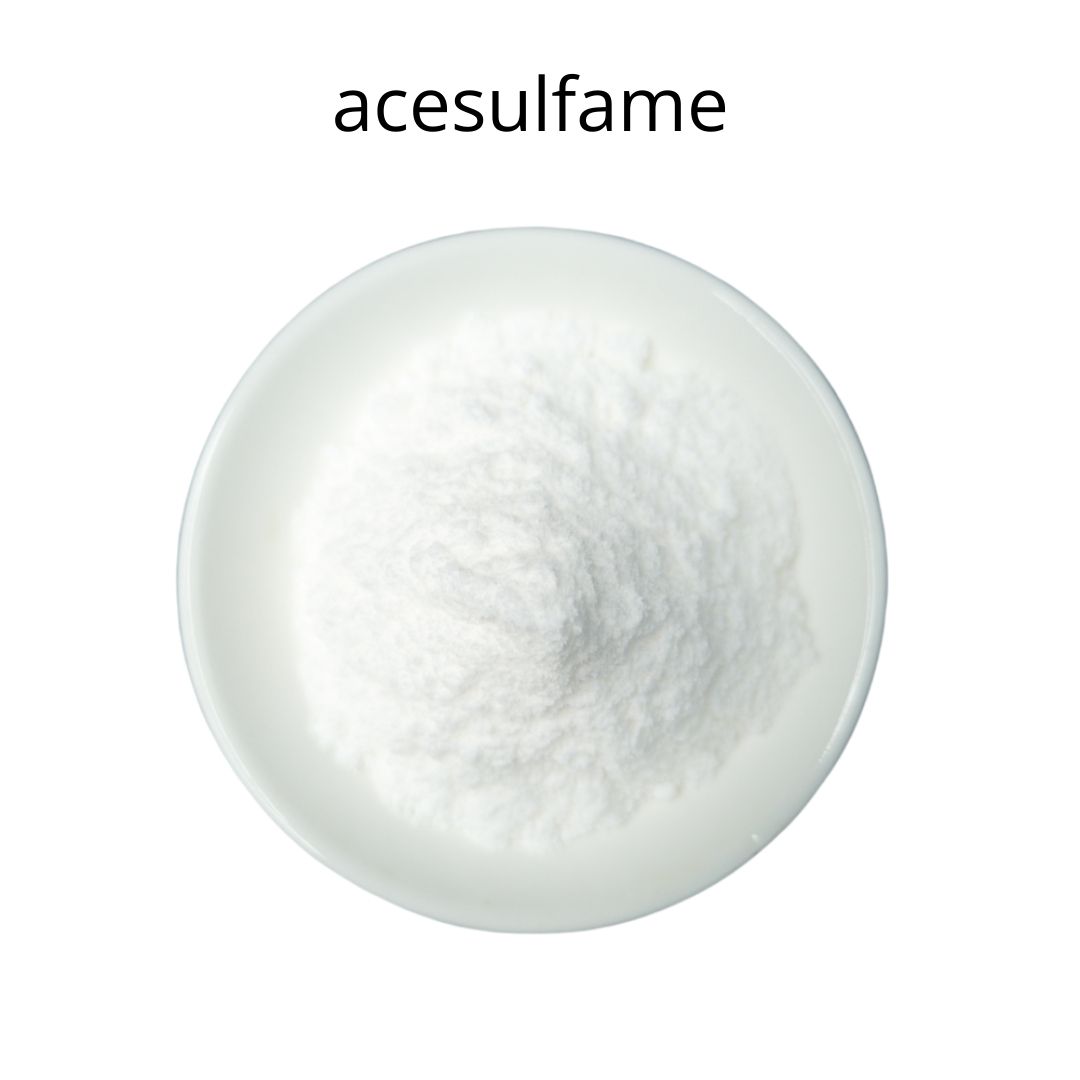
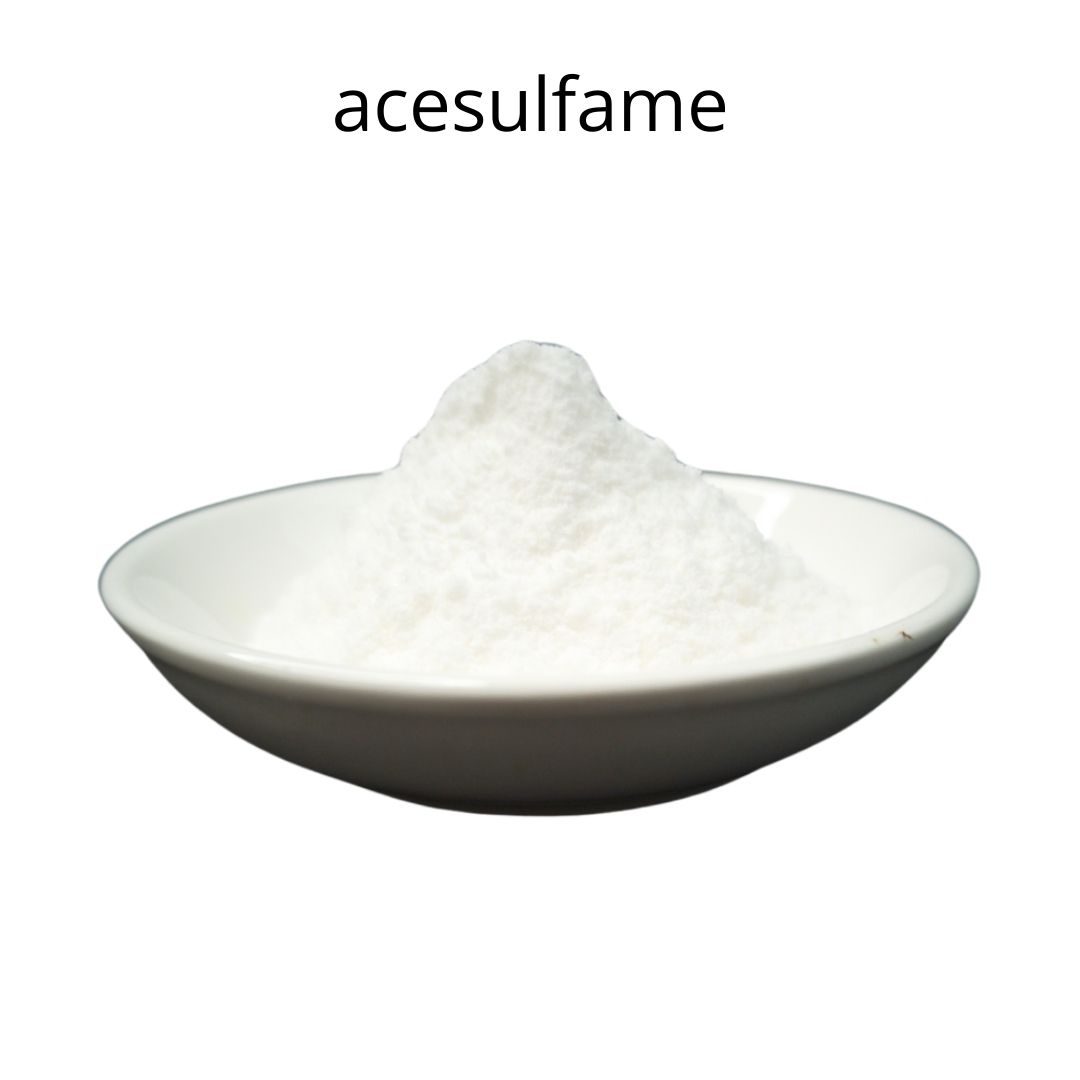


Acesulfame potassium, also known as Ace-K, is a calorie-free artificial sweetener often used as a sugar substitute in various food and beverage products. It is known for its stable chemical structure and intense sweetness, approximately 200 times sweeter than sucrose.
Acesulfame potassium is produced through a chemical process that begins with acetoacetic acid. The acetoacetic acid reacts with chlorosulfonyl isocyanate, forming an intermediate. This intermediate then reacts with potassium hydroxide, which results in the formation of acesulfame potassium. The final product is purified through crystallization to achieve the desired purity and particle size.
Acesulfame potassium is widely used in the food and beverage industry due to its high-intensity sweetness and stability. It can be found in carbonated drinks, powdered beverages, baked goods, desserts, and confectionery products [1]. It is also used in pharmaceuticals, and personal care products, like toothpaste and mouthwash [2].
Acesulfame potassium is usually packaged in multi-layer bags or fiber drums to protect it from moisture and contamination. It should be stored in a cool, and dry place, away from direct sunlight and heat, to ensure its stability and shelf life. Under proper storage conditions, acesulfame potassium typically has a shelf life of three years [3].
Citations:
[1] Food and Drug Administration. (2018). Additional Information about High-Intensity Sweeteners Permitted for Use in Food in the United States. FDA.
[2] European Food Safety Authority. (2016). Scientific Opinion on the re-evaluation of acesulfame K (E 950) as a food additive. EFSA Journal, 14(3), 4462.
[3] Calorie Control Council. (n.d.). Acesulfame Potassium. Calorie Control Council.

As the plant manager, I focus on the precise formulation and efficient production of food additives. We rigorously control the production process to ensure the quality and safety of each product, meeting industry standards. 🍴