

Product Introduction
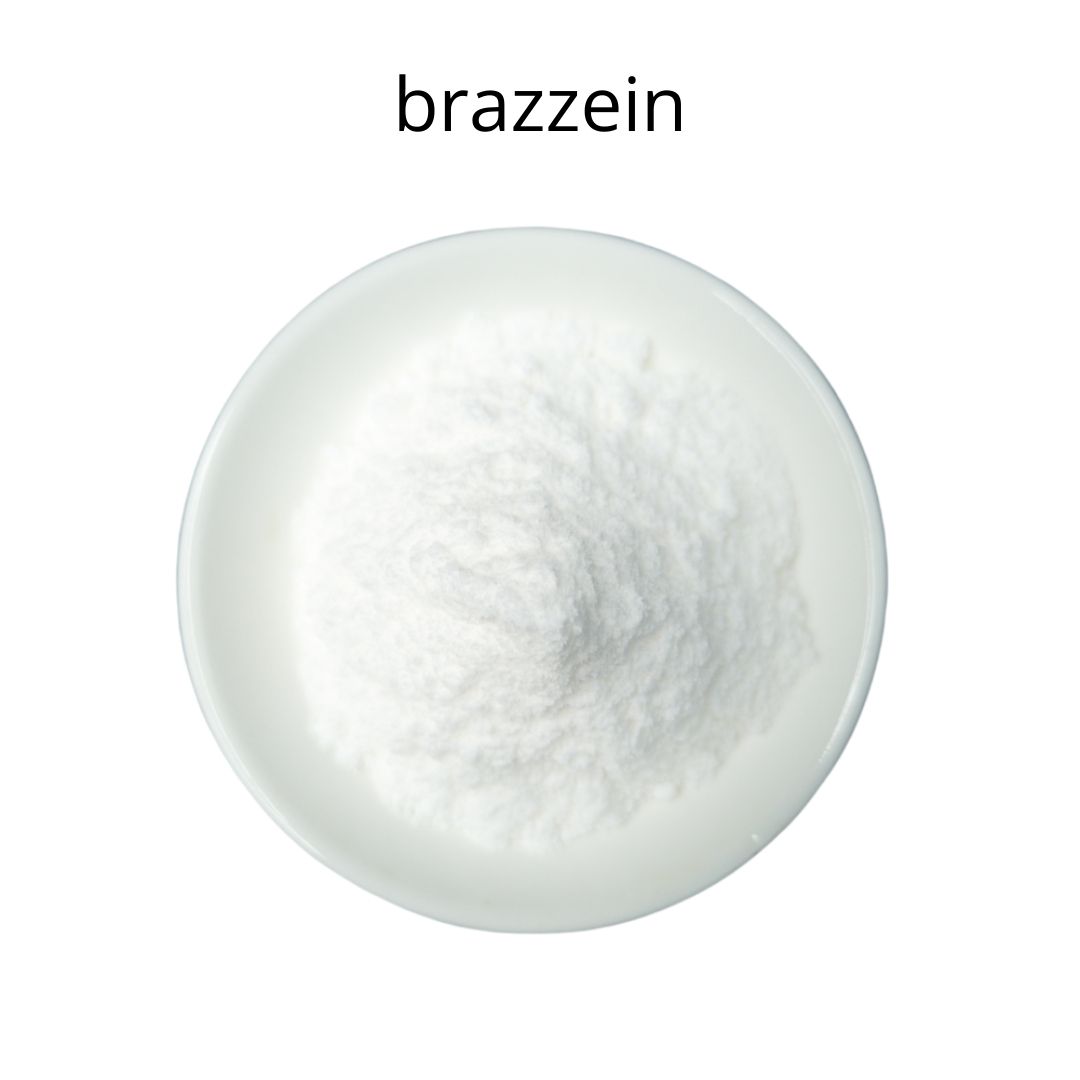
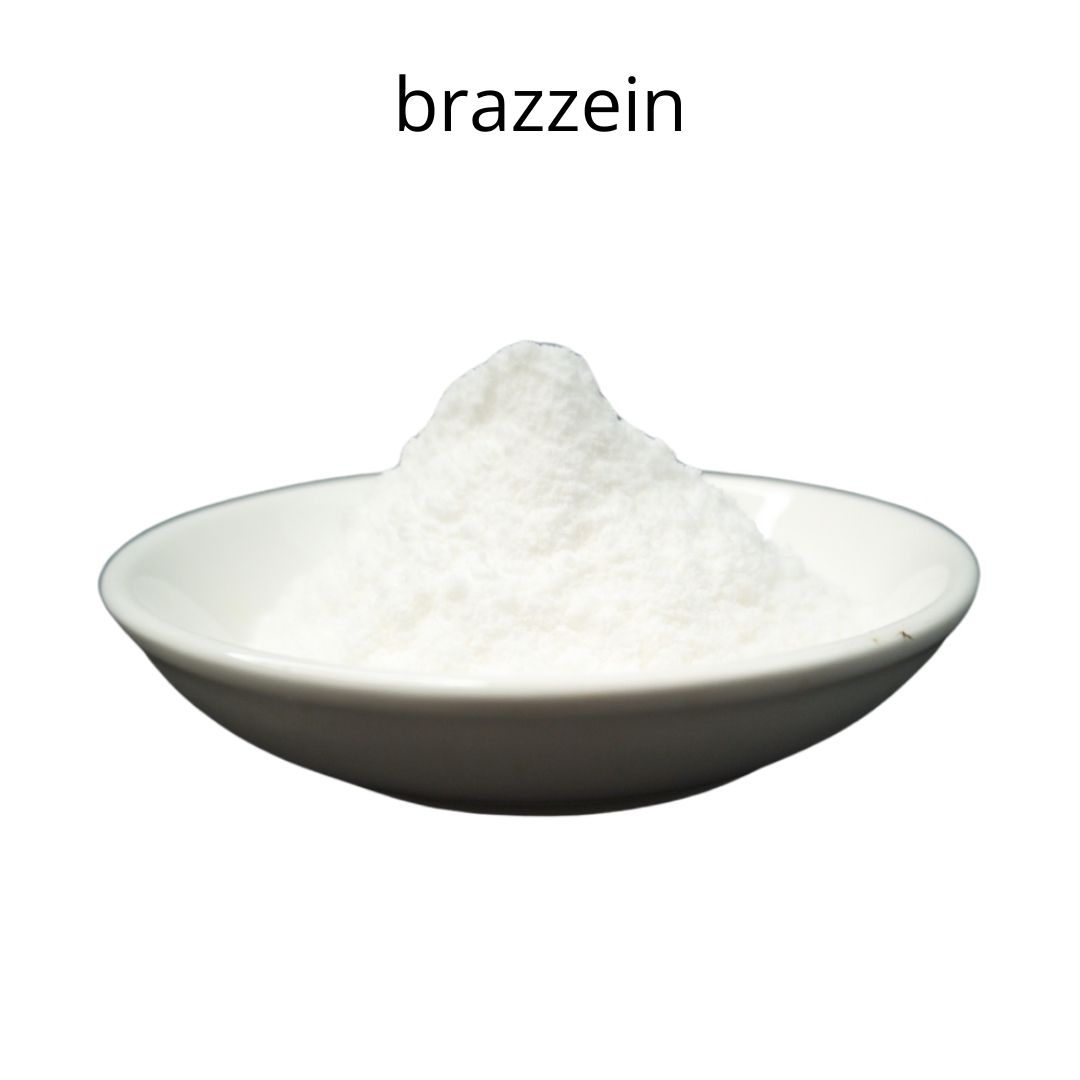
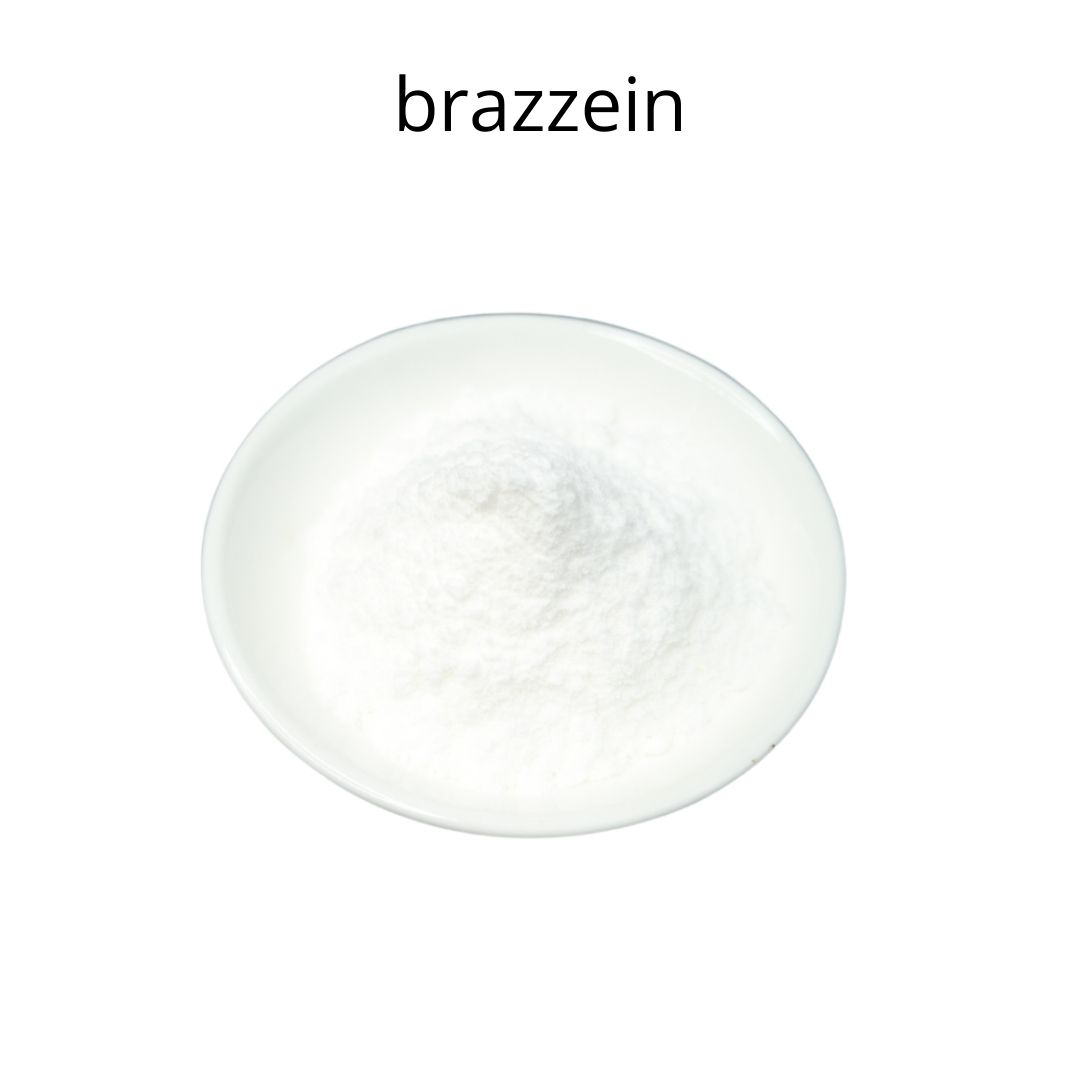
Brazzein is a naturally occurring, high-intensity sweetener, a protein, discovered in the fruit of the West African plant Pentadiplandra brazzeana Baillon [1]. It is known for being approximately 500 to 2,000 times sweeter than sucrose (table sugar), while possessing a clean, sweet taste with minimal aftertaste [2]. Brazzein is also characterized by its low-calorie content, making it a sought-after ingredient in the food and beverage industry [3]. This sweetener offers potential benefits for individuals looking to reduce their sugar intake, such as those managing diabetes or aiming for weight management [4].
Product Manufacturing process
The production of brazzein typically involves extraction from the Pentadiplandra brazzeana fruit or, more commonly, produced through recombinant DNA technology [5]. In the recombinant production process, the gene encoding brazzein is inserted into a host microorganism, such as E. coli or yeast [6]. These microorganisms are then cultured under controlled conditions to produce brazzein [7]. After fermentation, the brazzein is isolated and purified through several steps which includes cell lysis, centrifugation, and chromatography [8]. The final product is then dried and formulated to meet the required specifications of the food and beverage industries [9].
Product Applications
Brazzein is versatile, finding applications across a wide range of food and beverage products. It is suitable for use in beverages, baked goods, dairy products, and confectionery items [10]. Brazzein is also used in the development of sugar-free and low-calorie food options [11]. Being a protein, brazzein's stability under different processing conditions, such as heat and pH, contributes to its suitability as a food additive [12]. Beyond foods, brazzein can be used in dietary supplements and pharmaceutical formulations that require a sweetening agent [13].
Packaging and Storage
Brazzein should be packaged in airtight containers to protect it from moisture and contamination [14]. It should be stored in a cool, dry place, away from direct sunlight and extreme temperatures [15]. Following these storage guidelines helps maintain the quality and stability of brazzein, ensuring a shelf life of up to 2 years [16]. Proper packaging and storage are essential for preserving the integrity and functionality of brazzein in various applications [17].

As the plant manager, I focus on the precise formulation and efficient production of food additives. We rigorously control the production process to ensure the quality and safety of each product, meeting industry standards. 🍴