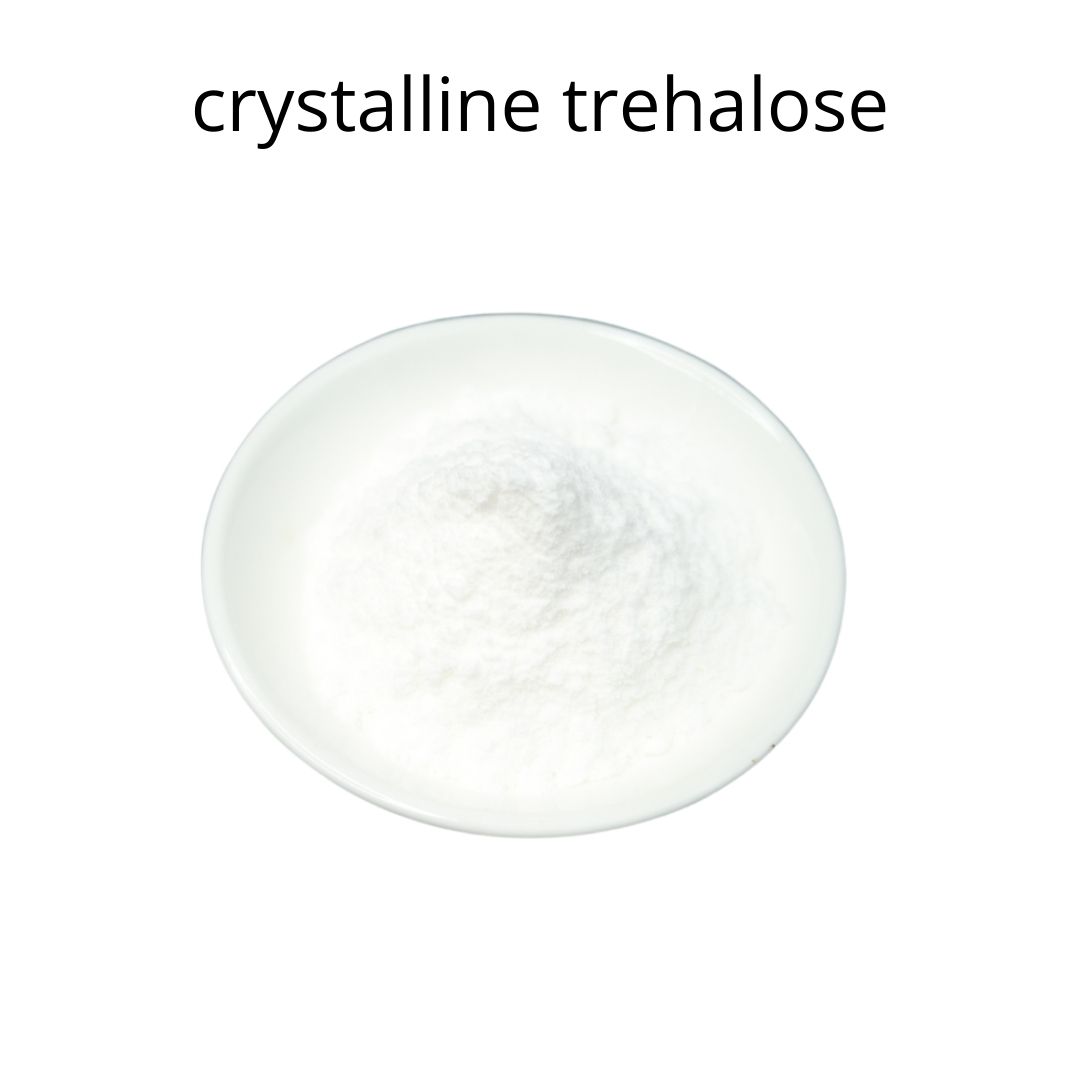


Product Introduction
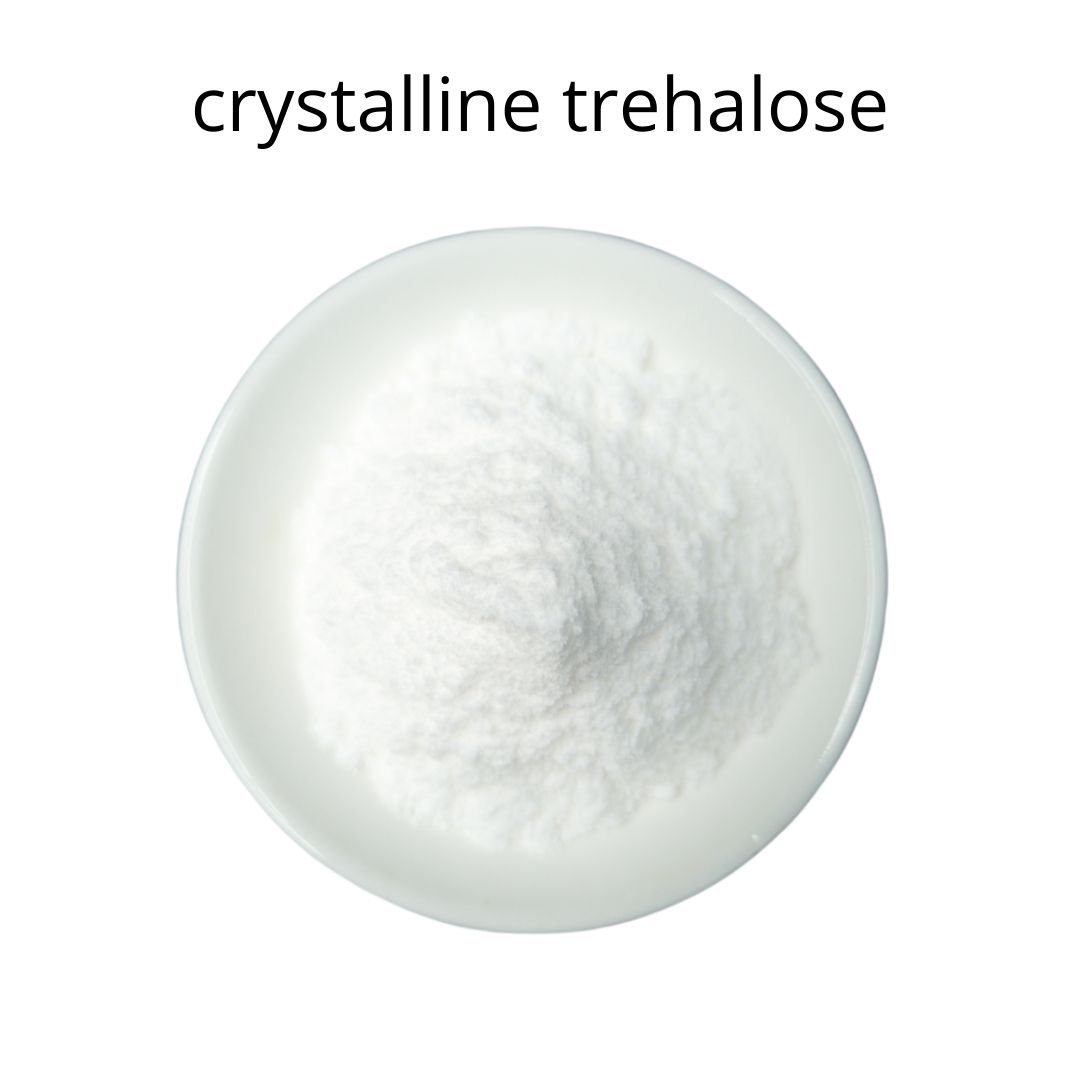
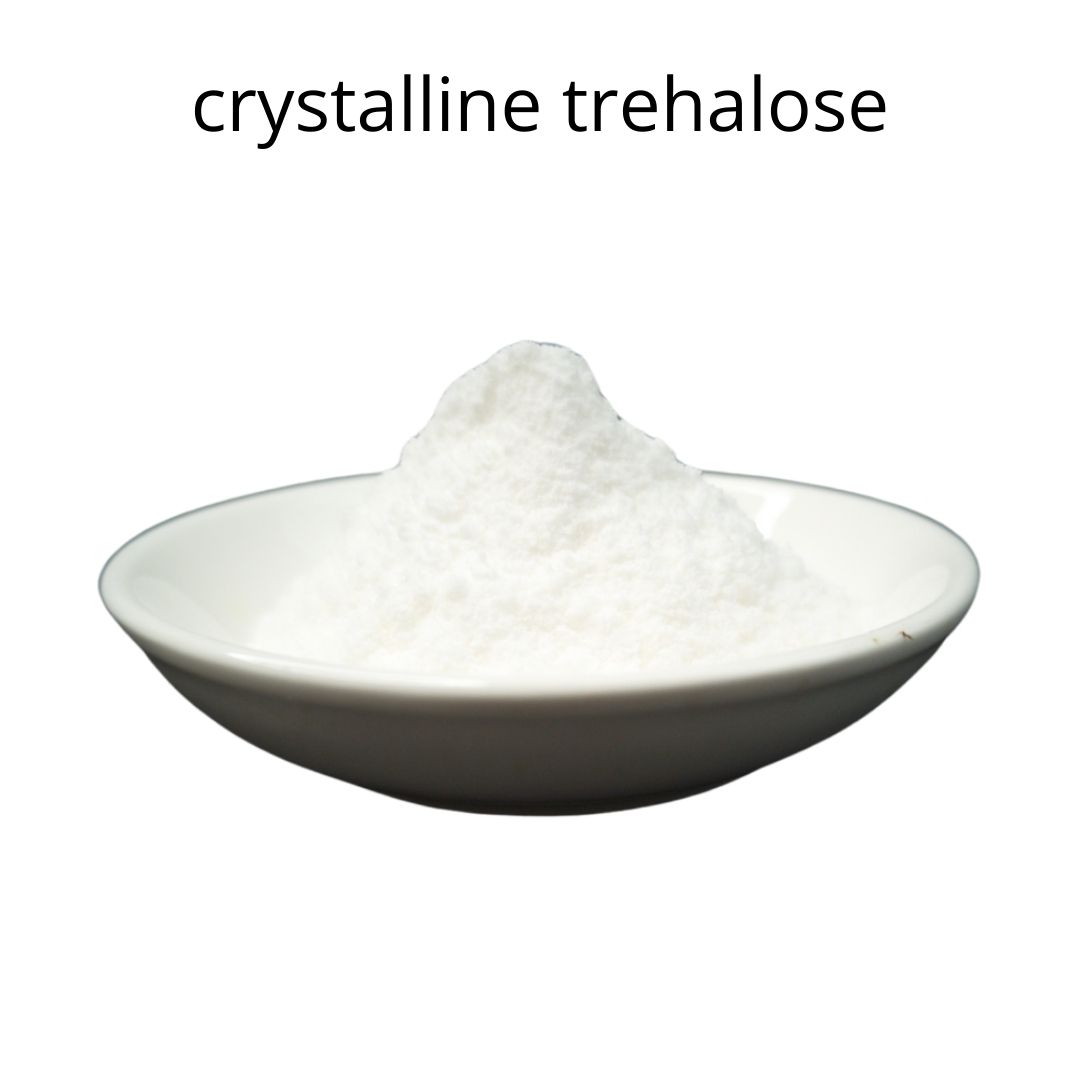
Crystalline trehalose, also known as mycose, is a naturally occurring alpha-linked disaccharide formed by a 1,1-glucoside bond between two α-glucose units [1]. It is found in various organisms, including bacteria, fungi, plants, and invertebrates, allowing them to withstand extreme environmental conditions such as dehydration, heat, and cold [2]. Trehalose is about 45% as sweet as sucrose and exhibits unique properties, such as high stability, low hygroscopicity, and the ability to protect proteins and cell membranes [3]. It is widely used in the food, beverage, and pharmaceutical industries for its versatile functionalities.
Product Manufacturing Process
The manufacturing process of crystalline trehalose typically involves enzymatic conversion of starch. First, starch is liquefied using α-amylase to produce a mixture of shorter oligosaccharides [4]. This mixture is then treated with trehalose synthase, an enzyme that converts the oligosaccharides into trehalose [5]. The resulting trehalose solution is purified, concentrated, and crystallized. Finally, the crystals are dried and milled to obtain the desired particle size [6]. Different manufacturers may use variations of this process, but the core principle remains the same: enzymatic conversion of starch to trehalose, followed by purification and crystallization.
Product Applications
Crystalline trehalose has diverse applications across various industries. In the food industry, it is used as a sweetener, flavor enhancer, and stabilizer in products like baked goods, confectionery, beverages, and processed foods [7]. It can improve the texture, moisture retention, and shelf life of these products. In the pharmaceutical industry, trehalose is used as a protectant for proteins, antibodies, and vaccines, enhancing their stability during storage and transportation [8]. It can also be found in cosmetics and personal care products for its moisturizing and protective properties [9].
Packaging and Storage
Crystalline trehalose is typically packaged in multi-layer paper bags with polyethylene liners or in fiber drums, with net weights ranging from 25 kg to 50 kg [10]. The product should be stored in a cool, dry, and well-ventilated area, away from direct sunlight and moisture [10]. It is important to keep the packaging sealed to prevent caking and maintain its quality. When stored properly, crystalline trehalose has a shelf life of 24 months from the date of manufacture [10].
Citations
[1] Elbein, A. D. (2003). The Biochemistry of Trehalose. Advances in Carbohydrate Chemistry and Biochemistry, 58, 173-214.
[2] Crowe, J. H., Crowe, L. M., & Chapman, D. (1984). Preservation of membranes in anhydrobiotic organisms: the role of trehalose. Science, 223(4637), 701-703.
[3] O'Dell, B. L. (2000). Present Knowledge in Nutrition (Vol. 1). ILSI Press.
[4] Bhatnagar, T., & Kaur, A. (2019). Production and applications of trehalose. Biocatalysis and Agricultural Biotechnology, 17, 449-457.
[5] Maruta, Y., Nakada, T., Kubota, M., Chaen, H., & Fukuda, S. (1995). Production of trehalose from starch by combined enzymes. Bioscience, Biotechnology, and Biochemistry, 59(10), 1921-1924.
[6] Singh, S., Sharma, H. K., & Gill, B. S. (2016). Production, properties and potential applications of microbial trehalose. World Journal of Microbiology and Biotechnology, 32(1), 1-13.
[7] Czarnowski, W., & Ryers, D. (2022). Trehalose in Food Industry—Properties and Applications. Applied Sciences, 12(18), 9344.
[8] Carazo, A., & Spear, J. (2022). Use of Trehalose for Protein Stabilization. Pharmaceuticals, 15(12), 1490.
[9] D'Orazio, P. (2013). Cosmetics and dermatological problems. CRC press.
[10] Specification sheet from a major trehalose supplier.

As the plant manager, I focus on the precise formulation and efficient production of food additives. We rigorously control the production process to ensure the quality and safety of each product, meeting industry standards. 🍴