

Product Introduction
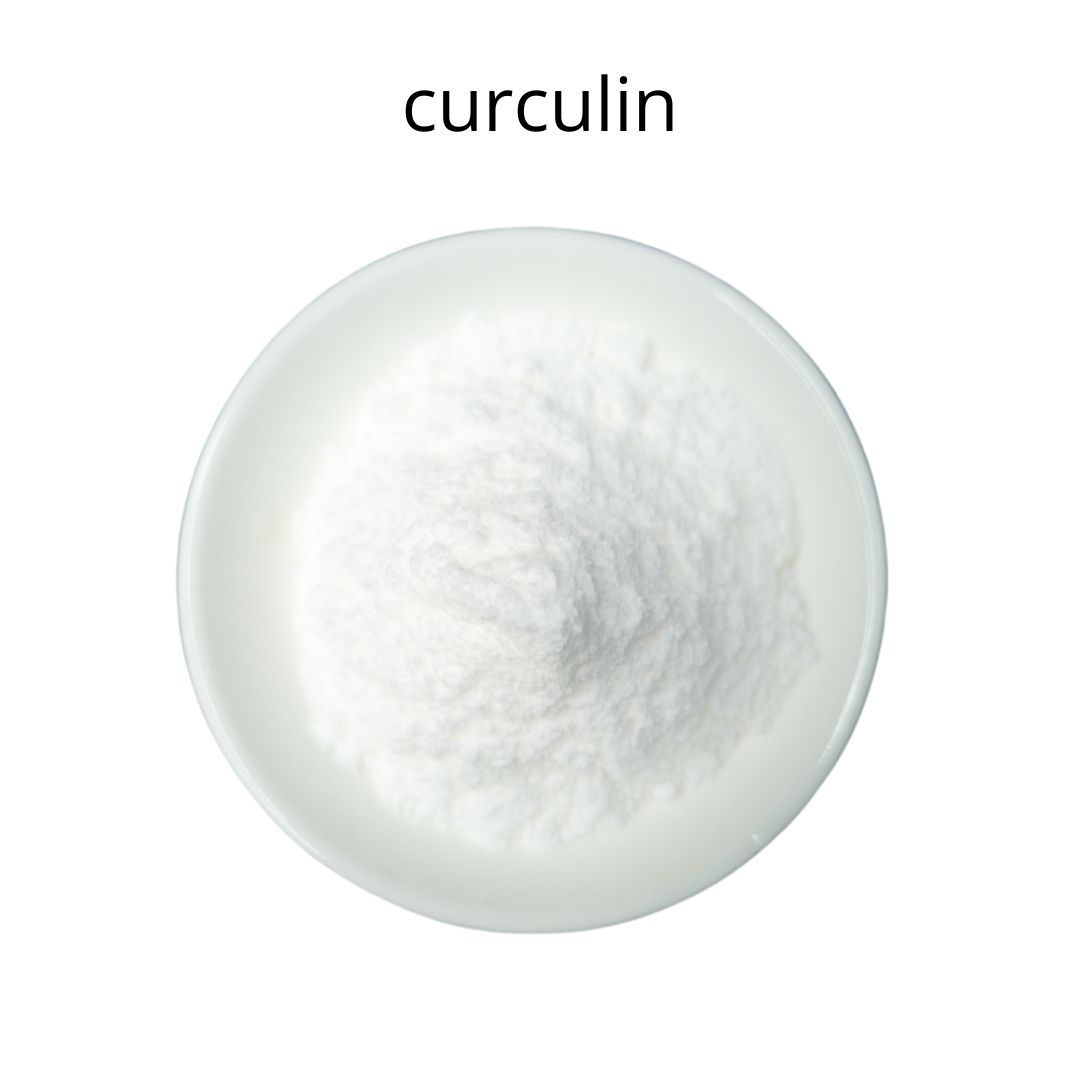
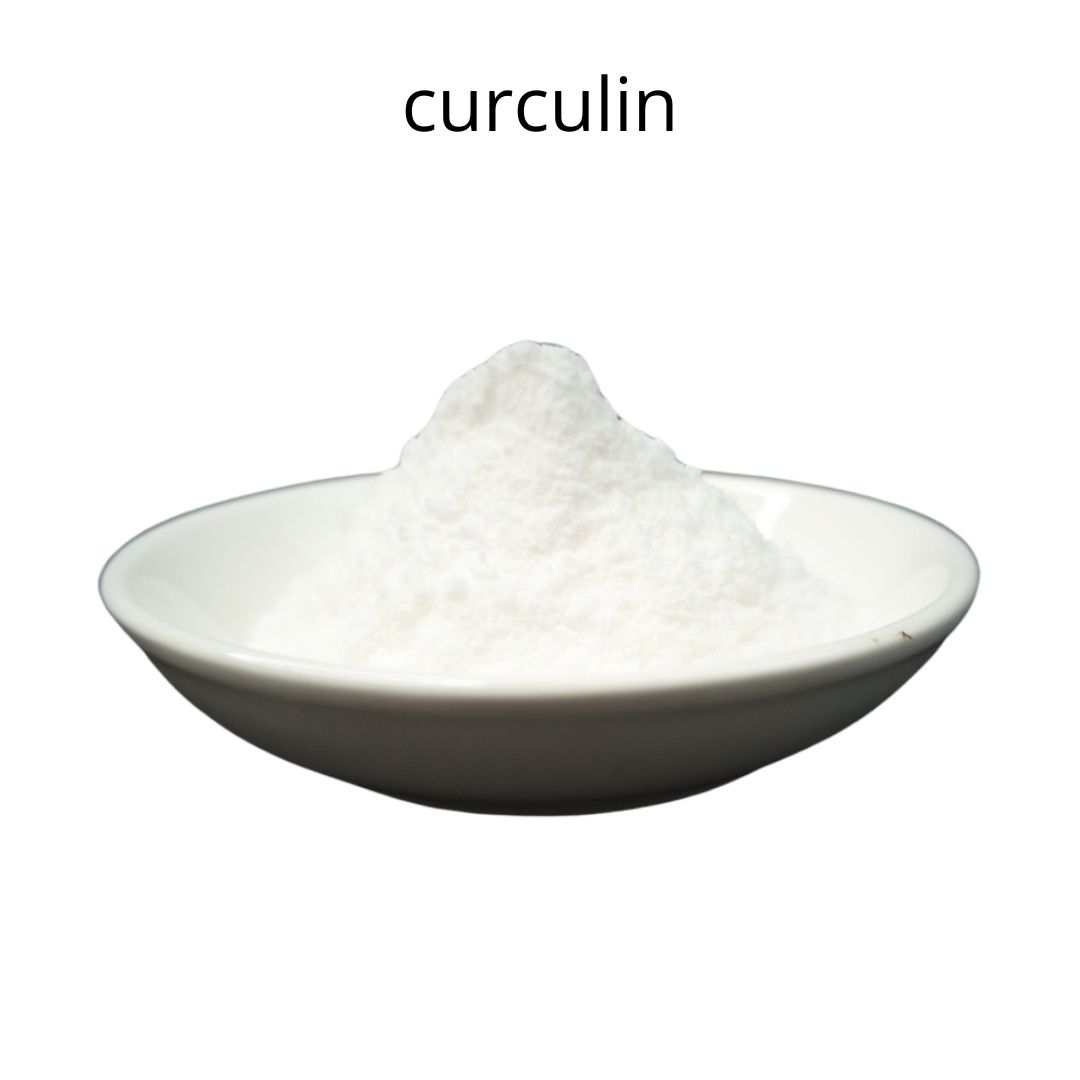
Curculin is a naturally occurring sweet-tasting protein, extracted from the fruits of Curculigo latifolia, a plant primarily found in Malaysia. The sweet taste of curculin is accompanied by a unique taste-modifying property; it can transform the perception of sour tastes into sweet ones. This interesting characteristic sets it apart from other natural sweeteners. Curculin is gaining attention in the food industry due to its dual functionality as both a sweetener and a taste modulator.
Product Manufacturing Process
The manufacturing process of curculin typically involves several key steps:
- Extraction: The initial step involves extracting the curculin protein from the fruits of Curculigo latifolia. This is commonly achieved using aqueous extraction methods, where the fruit pulp is mixed with water or a suitable solvent to dissolve the protein.
- Filtration: After extraction, the mixture is filtered to remove any solid particles and impurities, resulting in a clarified solution containing curculin.
- Purification: Purification techniques, such as ultrafiltration or chromatography, are employed to isolate and concentrate the curculin protein from the extract. These methods selectively separate curculin based on its molecular size or biochemical properties.
- Concentration: The purified curculin solution is then concentrated using techniques like evaporation or lyophilization (freeze-drying), which help to increase the protein concentration and remove excess water.
- Drying: The concentrated curculin is dried to obtain a powdered form, which enhances its stability and ease of handling. Lyophilization is often preferred as it preserves the protein's structure and activity.
- Milling and Sieving: The dried curculin powder is milled to achieve a desired particle size and then sieved to ensure uniformity, meeting the specified 80 mesh standard.
- Quality Control: Throughout the manufacturing process, rigorous quality control measures are implemented to monitor parameters such as purity, sweetness intensity, and taste-modifying activity, ensuring the final product meets the required standards.
Product Applications
Curculin's unique properties make it suitable for a variety of applications, particularly in the food and beverage industry.
- Sweetener: It can be used as a natural sweetener in various food products, offering a unique sweetness profile.
- Taste Modifier: This is where curculin shines; it modifies sour tastes to sweet, which can be beneficial in formulating healthier, reduced-sugar products. For example, it allows for less sugar in traditionally sour foods like citrus fruits and yogurt. Research suggests it acts by interacting with taste receptors on the tongue.
- Flavor Enhancer: Curculin can enhance the overall flavor profile of certain foods and beverages.
Packaging and Storage
Curculin should be packaged in airtight containers, protecting it from moisture and light. It is best stored in a cool, dry place, away from direct sunlight and high temperatures. Under these conditions, the shelf life of curculin is typically two years, ensuring its stability and activity are maintained.
Citations:
- https://www.sciencedirect.com/topics/agricultural-and-biological-sciences/curculin
- Imoto, T., Miyasaka, A., Ishima, Y., & Akashi, T. (1991). Primary structure of curculin, a novel taste-modifying protein with highly homologous amino acid sequences to monellin. Biochemical and Biophysical Research Communications, 180(3), 1314-1320.

As the plant manager, I focus on the precise formulation and efficient production of food additives. We rigorously control the production process to ensure the quality and safety of each product, meeting industry standards. 🍴