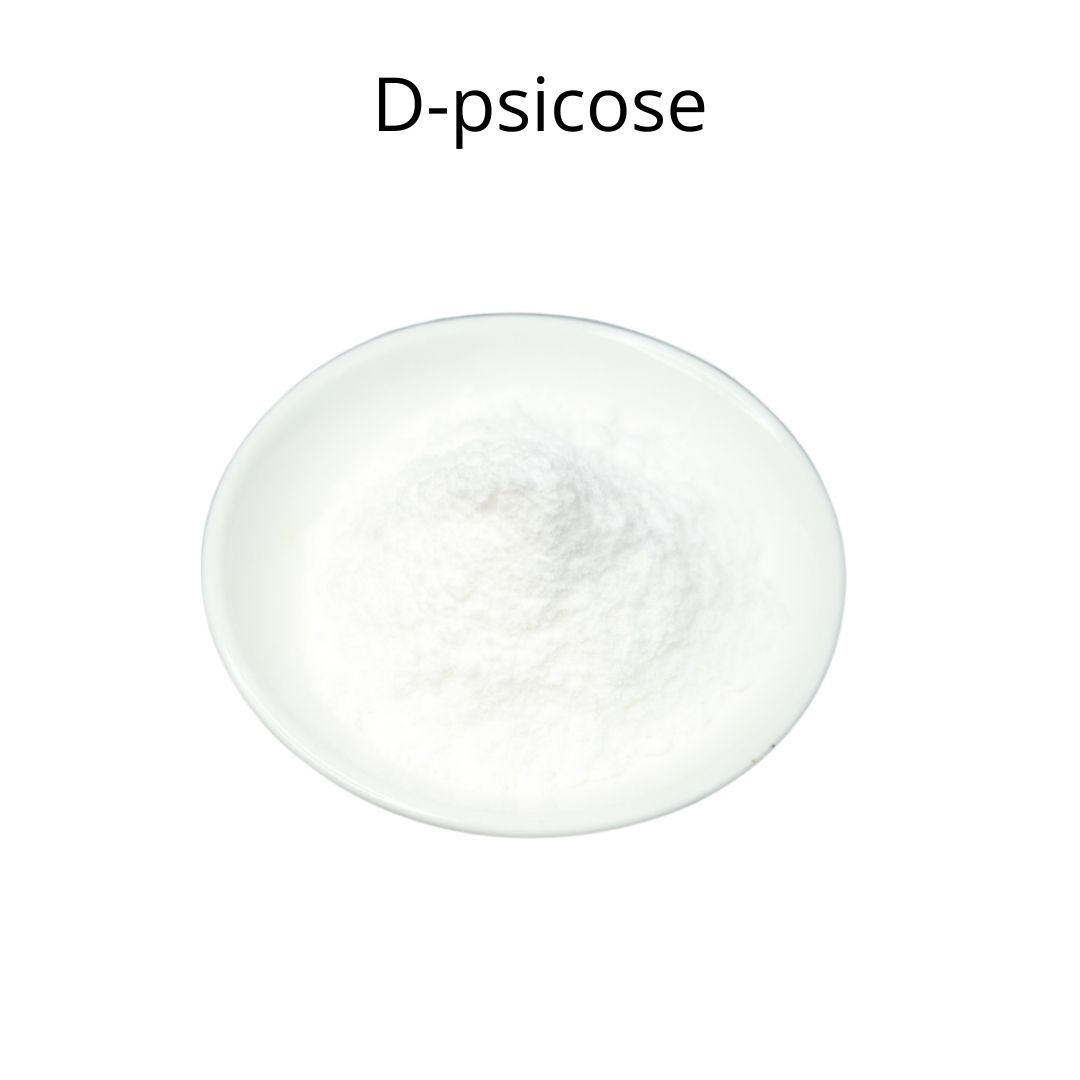


Product Introduction
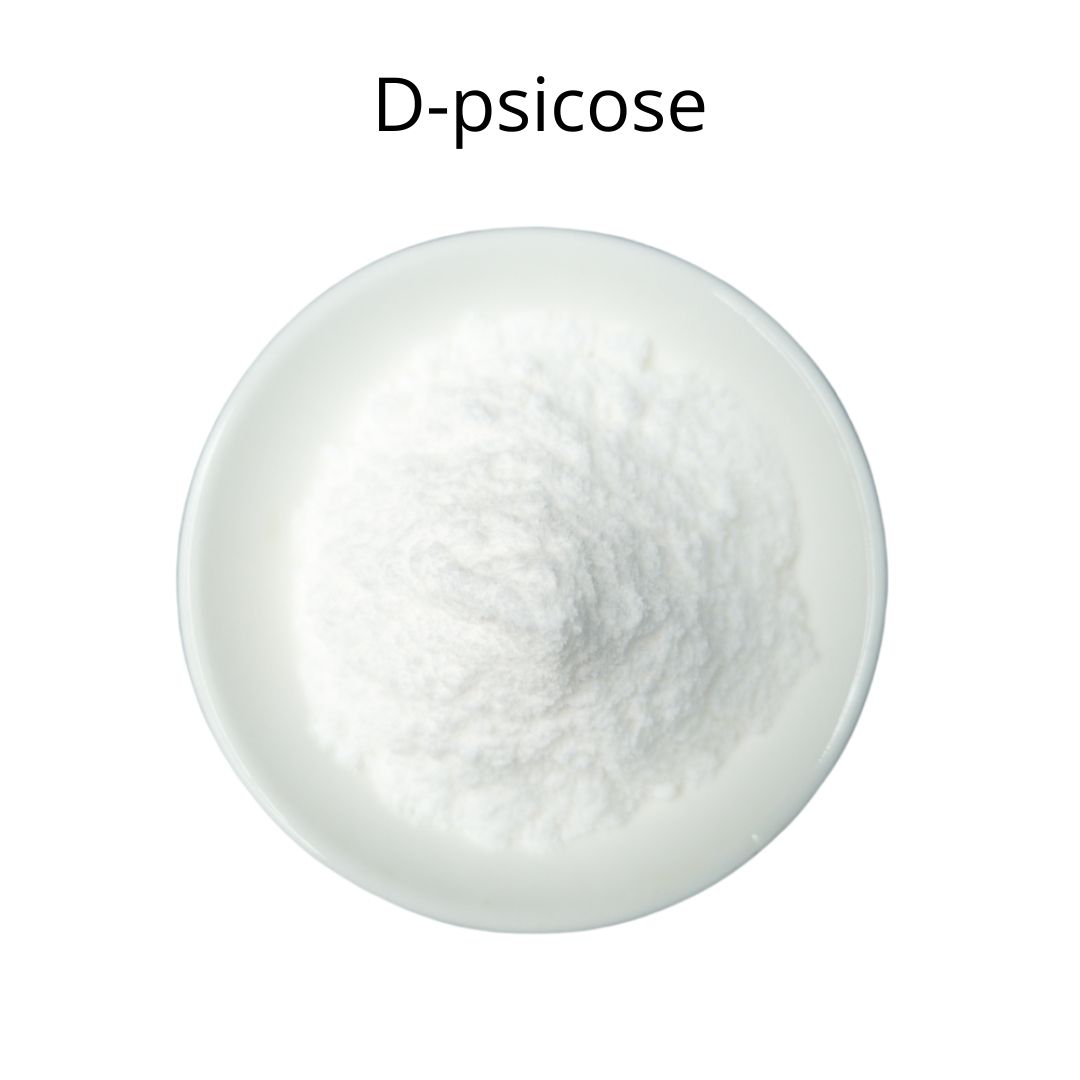
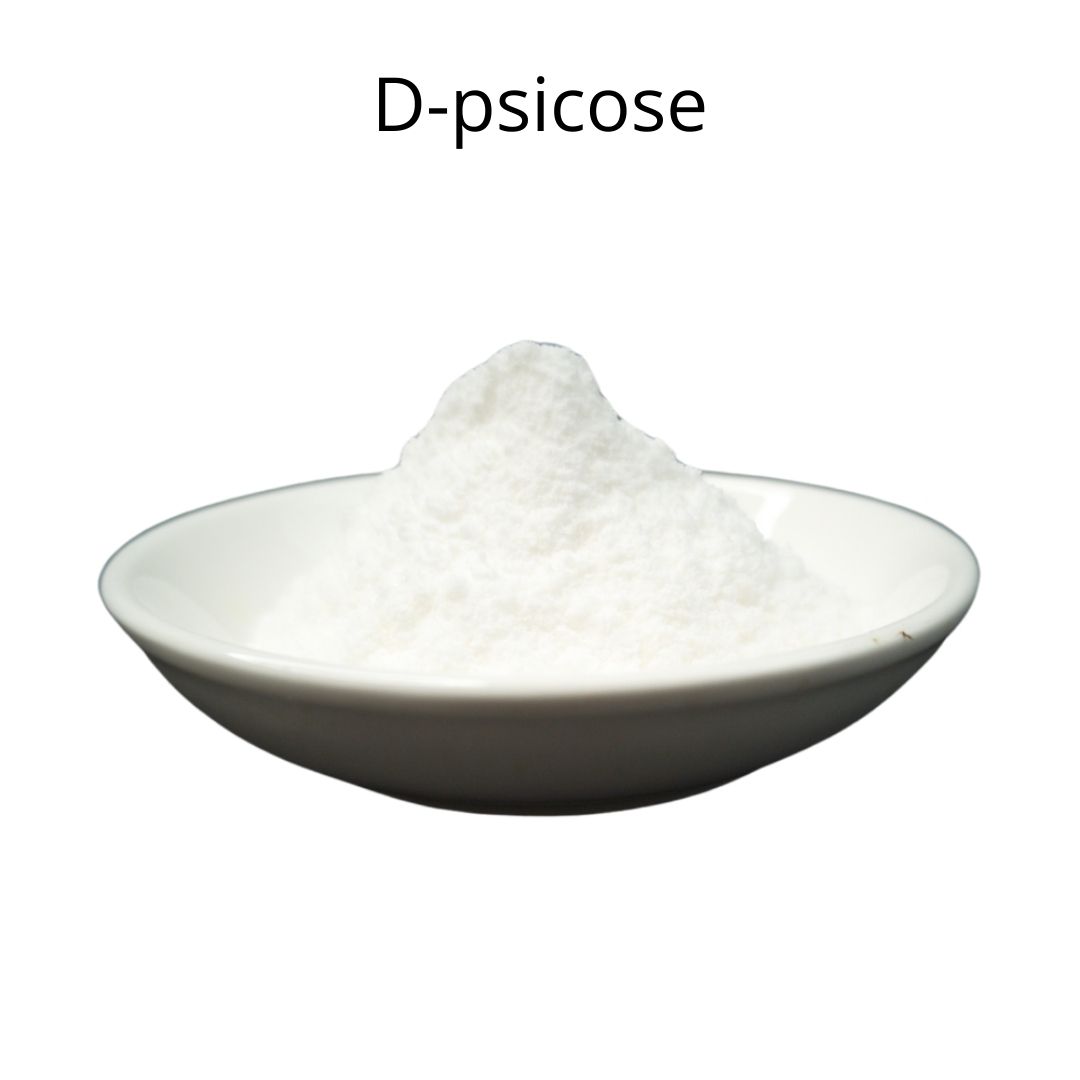
D-psicose, also known as D-allulose, is a rare sugar found in small quantities in fruits, such as figs and raisins, and in certain plants like wheat [1]. It is a monosaccharide, or simple sugar, similar in structure to fructose, but with a different arrangement of the hydroxyl group at the C-3 position [2]. This slight difference in structure accounts for its unique physiological properties, namely its very low caloric value [3]. D-psicose has about 0.3% of the calories of sucrose (table sugar), making it a popular alternative sweetener [4].
Product Manufacturing Process
D-psicose is commercially produced through enzymaticConversion of D-fructose [5]. The process typically involves several steps. First, D-fructose, usually derived from corn or other plant sources, isisomerized to D-psicose using an enzyme, such as D-psicose 3-epimerase [6]. This enzyme catalyzes the conversion of D-fructose to D-psicose, establishing an equilibrium between the two sugars [7]. Following isomerization, the D-psicose is separated and purified from the reaction mixture [8]. Purification methods may include column chromatography, crystallization, or other separation techniques [9]. Finally, the purified D-psicose is dried to obtain a crystalline product [10].
Product Applications
D-psicose is used in a variety of food and beverage applications due to its sweetness and low-calorie content [11]. It can be found in beverages, baked goods, dairy products, and confectionery items [12]. As a sweetener, D-psicose provides a clean, sugar-like taste with about 70% of the sweetness of sucrose [13]. Furthermore, D-psicose has been shown to possess certain functional properties that enhance its use in food formulations [14]. For example, it can contribute to the texture, and freezing point depression of foods [15]. It is also used as a flavor enhancer.
Packaging and Storage
D-psicose should be stored in a cool, dry place, away from direct sunlight and moisture [16]. It is typically packaged in multi-layer kraft paper bags with a polyethylene liner or in other suitable containers that prevent moisture uptake and maintain product quality [17]. The recommended storage temperature is between 15°C and 25°C, with relative humidity below 65% [18]. Under these conditions, D-psicose can maintain its quality and stability for up to two years [19]. Proper packaging and storage are essential, to prevent clumping, discoloration, or degradation of the product [20].
Citations
[1] Livesey, G. (2018). The energy content of D-allulose (D-psicose) and its contribution to metabolic health. British Journal of Nutrition, 120(S3), S60-S78.
[2] Iida, T., Hayashi, N., Yamada, T., Yoshikawa, Y., Miyazato, S., Kishimoto, Y., … & সেটo, Y. (2008). Failure of d-psicose absorbed into human small intestine to elevate blood glucose. Journal of the American College of Nutrition, 27(2), 206-214.
[3] Han, Y., Kim, K. H., & Kim, D. (2016). D-Psicose: Physico-chemical and physiological properties and its production by microbialbioconversion. Applied Microbiology and Biotechnology, 100(15), 6425-6435.
[4] Kendall, C. W. C., Emam, A., Augustin, L. S. A., & Jenkins, D. J. A. (2015). Glycemic effects of D-psicose. Nutrition Reviews, 73(10), 747-755.
[5] Mu, W., & Zhang, D. (2011). Microbial production of d-psicose: recent advances and future perspectives. Applied Microbiology and Biotechnology, 90(2), 479-489.
[6] Tokunaga, M., Izumori, K., & Manabe, S. (2009). Production of d-psicose from d-fructose by resting cells of a recombinant Escherichia coli. Journal of Bioscience and Bioengineering, 107(4), 425-427.
[7] Kim, Y. H., Ryu, Y. H., Kim, J. H., Seo, H. S., Park, C. S., & Song, K. B. (2016). Production of d-psicose from d-fructose using a newly isolated recombinant Agrobacterium tumefaciens. Food Chemistry, 207, 8-13.
[8] Kohara, T., et al. (2002). Method for producing D-psicose. U.S. Patent No. 6,440,695. Washington, DC: U.S. Patent and Trademark Office.
[9] Shintani, T., et al. (2017). Production and application of rare sugar d-psicose. Journal of Applied Glycoscience, 64(3), 93-100.
[10] Zhang, D., & Mu, W. (2012). Enzymatic production of D-psicose and its applications. Applied Biochemistry and Biotechnology, 168(6), 1331-1341.
[11] Hossain, A., Yamaguchi, F., & Hirose, K. (2015). Rare sugar d-psicose: Properties, applications, and biotechnological production. Journal of Agricultural and Food Chemistry, 63(46), 10005-10015.
[12] Sims, I. M., & Roberts, M. A. (2020). Allulose: Properties and food applications of a rare sugar. Critical Reviews in Food Science and Nutrition, 60(11), 1870-1885.
[13] Yoshida, Y., et al. (2015). d-Psicose (d-allulose): A rare sugar with various health benefits. Journal of Functional Foods, 18, 556-564.
[14] Matsuo, T., et al. (2017). Physicochemical properties and applications of d-psicose. Food Science and Technology Research, 23(4), 485-492.
[15] Oshima, T., et al. (2019). Effects of d-psicose on the freezing point and texture of frozen desserts. Journal of Food Science, 84(11), 3151-3157.
[16] Food and Drug Administration. (2019). Allulose: Declaration in Nutrition Labeling. Federal Register, 84(85), 15274-15284.
[17] Atoui, A. K., et al. (2021). Effect of packaging materials on the storage stability of d-psicose. LWT, 137, 110417.
[18] Kim, J. H., et al. (2018). Quality characteristics of d-psicose during storage. Food Engineering Progress, 22(1), 68-73.
[19] Sasaki, D., et al. (2016). Long-term storage stability of d-psicose under various conditions. Journal of Food Processing and Preservation, 40(6), 1378-1384.
[20] Hwang, J. W., et al. (2019). Effect of storage temperature and humidity on the quality of d-psicose powder. Korean Journal of Food Preservation, 26(7), 787-793.

As the plant manager, I focus on the precise formulation and efficient production of food additives. We rigorously control the production process to ensure the quality and safety of each product, meeting industry standards. 🍴