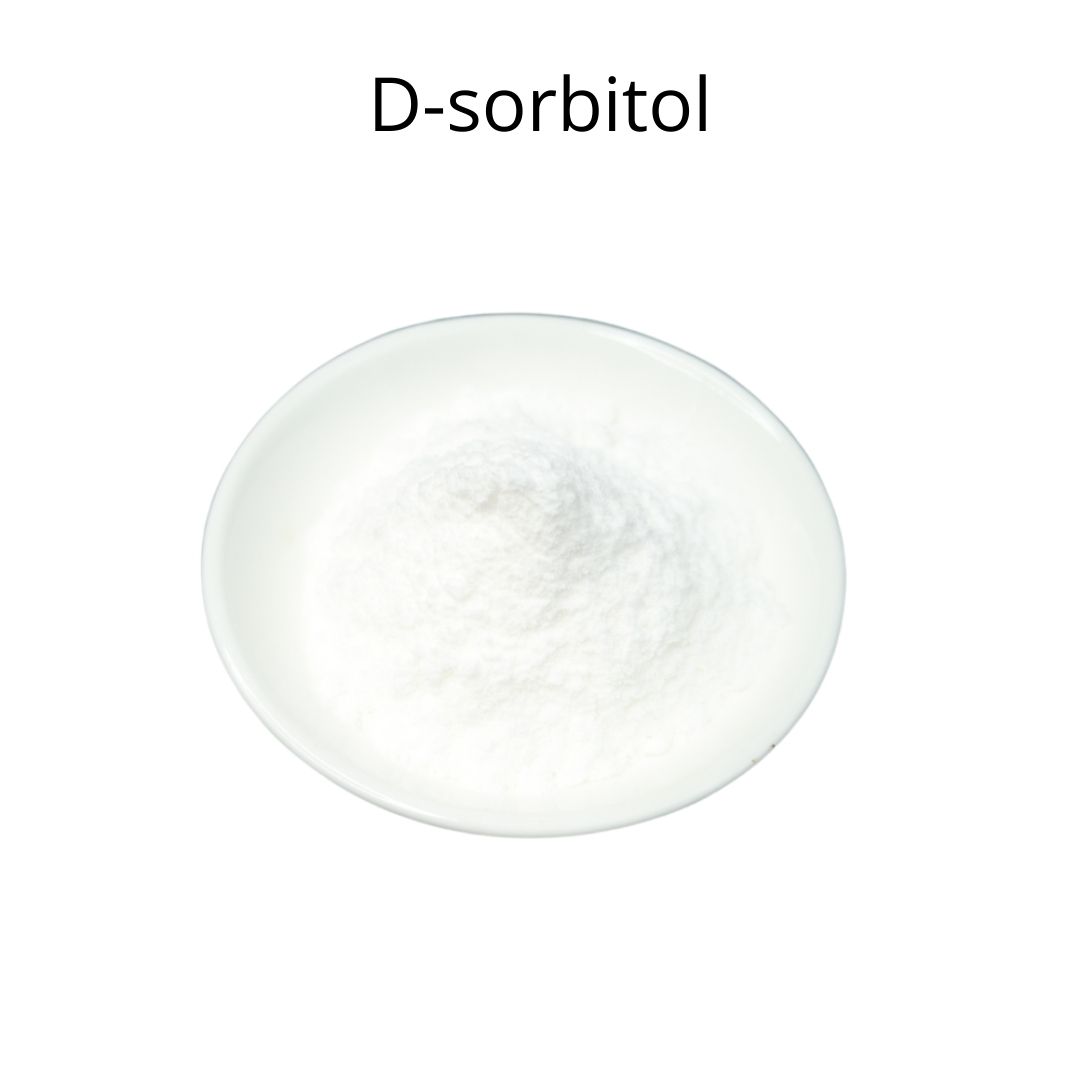


Product Introduction
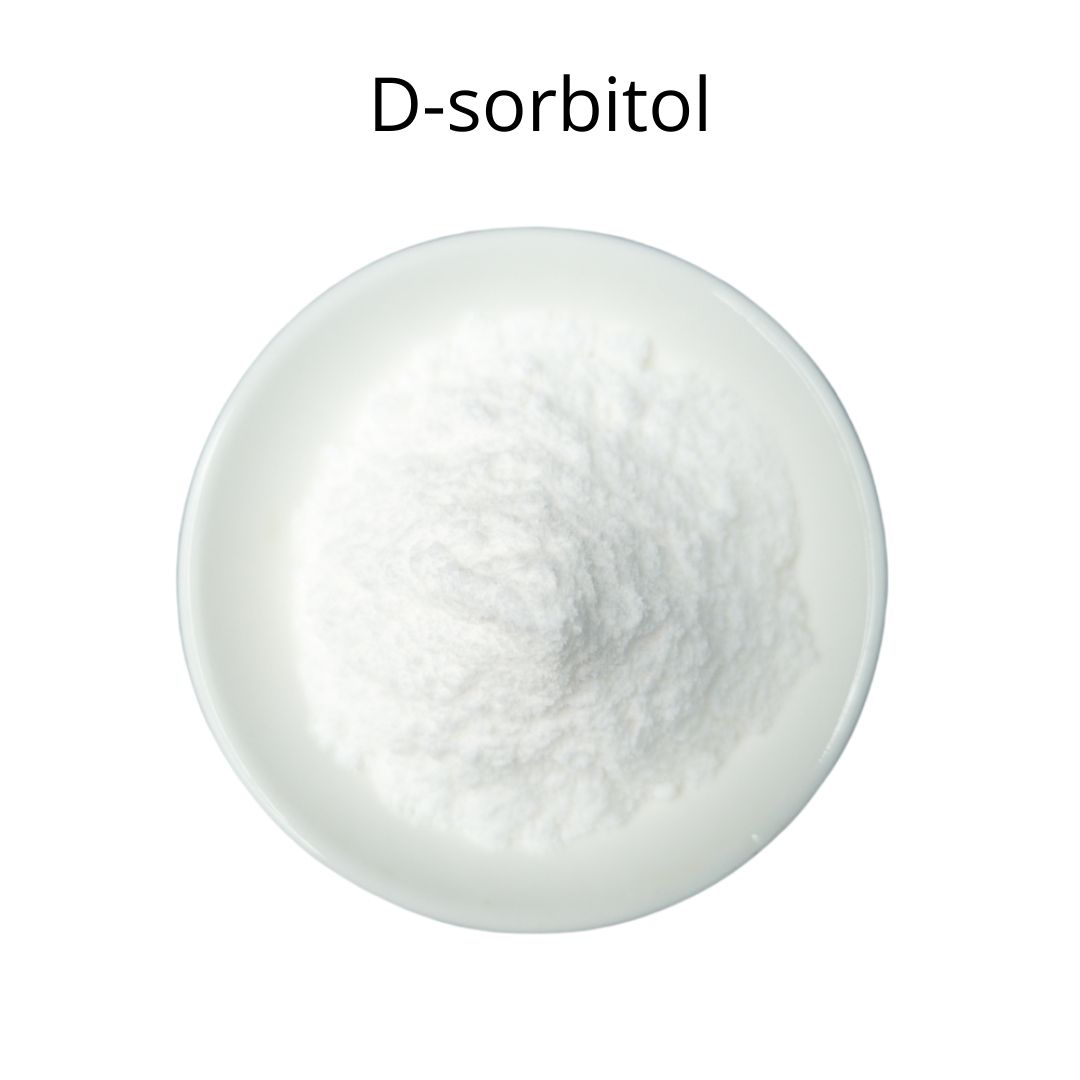
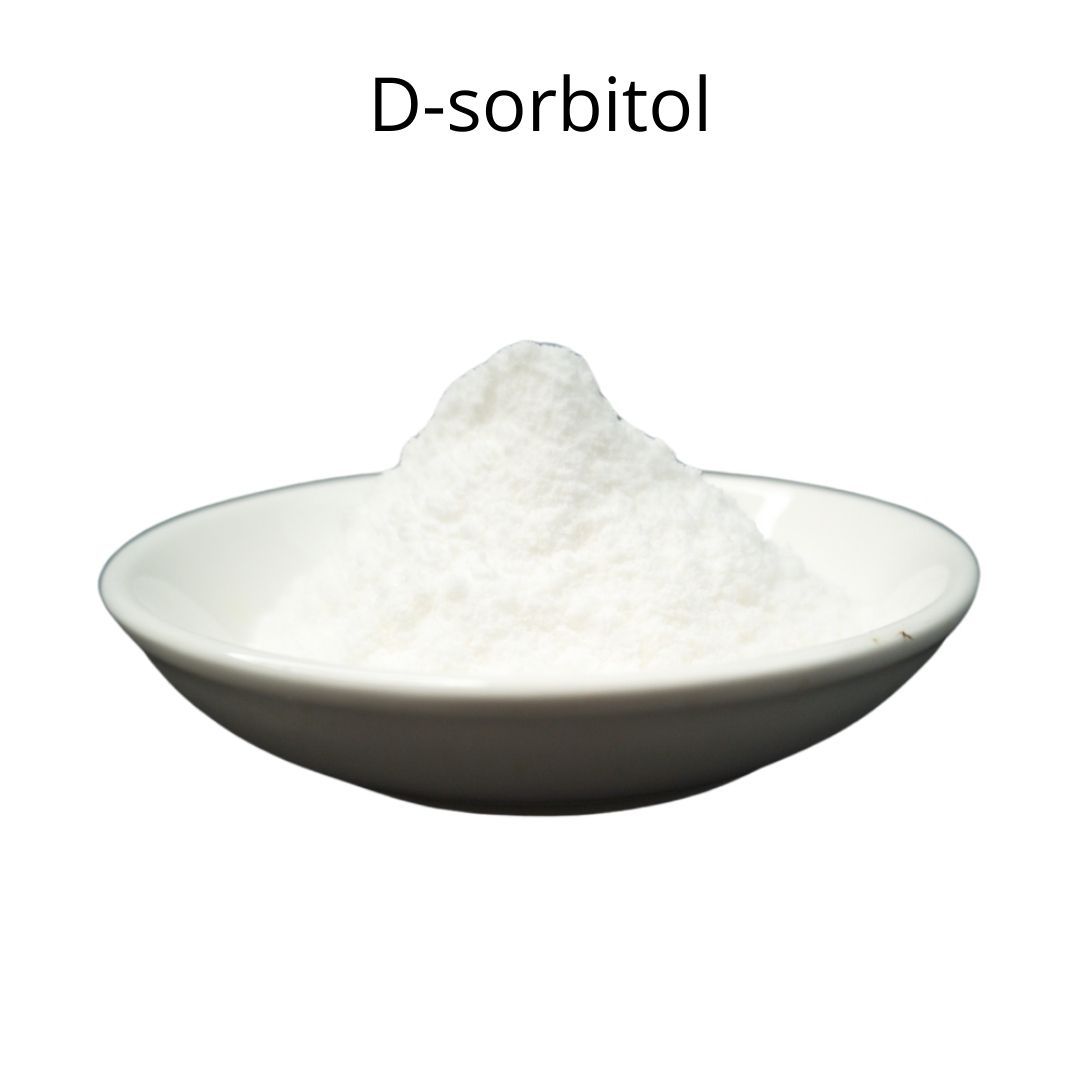
D-Sorbitol, also known as sorbitol or D-glucitol, is a polyol (sugar alcohol) that occurs naturally in some fruits and is commercially produced from glucose. It is a white, crystalline powder that is water-soluble and has a sweet taste, approximately 60% as sweet as sucrose. Sorbitol is widely used in various industries due to its unique properties, including its ability to act as a humectant, texturizer, and sweetener [1].
Product Manufacturing Process
The manufacturing process of D-sorbitol typically involves the catalytic hydrogenation of glucose. This process begins with a solution of glucose, which is then subjected to high pressure and temperature in the presence of a catalyst, such as nickel. The glucose molecules are then reduced, converting them into sorbitol. Following the reaction, the mixture is purified through processes like filtration, evaporation, and crystallization to isolate the D-sorbitol [2]. The resulting D-sorbitol is then dried and milled to achieve the desired particle size and consistency [2, 3].
Product Applications
D-Sorbitol has versatile applications across the food, pharmaceutical, and cosmetic industries. In the food industry, it functions as a sweetener, humectant, and texturizer in products such as sugar-free candies, baked goods, and chewing gum [4]. It helps to maintain moisture, prevent sugar crystallization, and improve the mouthfeel of these products. In the pharmaceutical industry, D-sorbitol is used as a tablet excipient, a sweetening agent in liquid medications, and a humectant in creams and ointments [5]. Its humectant properties also make it a valuable ingredient in cosmetics and personal care products like lotions, creams, and toothpaste, where it helps to retain moisture and improve product texture [6].
Packaging and Storage
D-Sorbitol should be packaged in airtight containers to prevent moisture absorption and maintain its quality. It is recommended to store the product in a cool, dry place, away from direct sunlight and high temperatures [7]. Under these conditions, D-Sorbitol has a shelf life of approximately two years. Proper storage practices ensure that the product retains its properties and remains suitable for its intended applications throughout its shelf life [7, 8].
Citations:
[1] Livesey, G. (2003). Health potential of polyols as sugar replacers, with emphasis on low glycaemic properties. Nutrition Research Reviews, 16(2), 163-191.
[2] Saha, B., Abu Bakar, M. S., Jamal, P., & Koizumi, J. (2011). Production of sorbitol from glucose using Ru/C catalyst: Influence of different parameters. Bioresource Technology, 102(18), 8634-8641.
[3] Song, X., Zhao, H., & Fang, Z. (2018). Recent advances in catalytic conversion of glucose to valuable chemicals. Catalysis Reviews, 60(2), 253-326.
[4] Nabors, L. O. (2012). Alternative Sweeteners. CRC press.
[5] Bolhuis, G. K., Chowhan, Z. T., & Ruecroft, G. (2007). Materials for direct compression. Pharmaceutical Preformulation and Formulation, 175-205.
[6] Lodén, M., & Wessman, W. (2001). The influence of a cream containing 20% urea and 4% glycerol on the hydration capacity of normal skin. Skin Research and Technology, 7(4), 208-212.
[7] European Pharmacopoeia 9.0. (2017). Sorbitol.
[8] Food and Drug Administration. (2019). CFR - Code of Federal Regulations Title 21.

As the plant manager, I focus on the precise formulation and efficient production of food additives. We rigorously control the production process to ensure the quality and safety of each product, meeting industry standards. 🍴