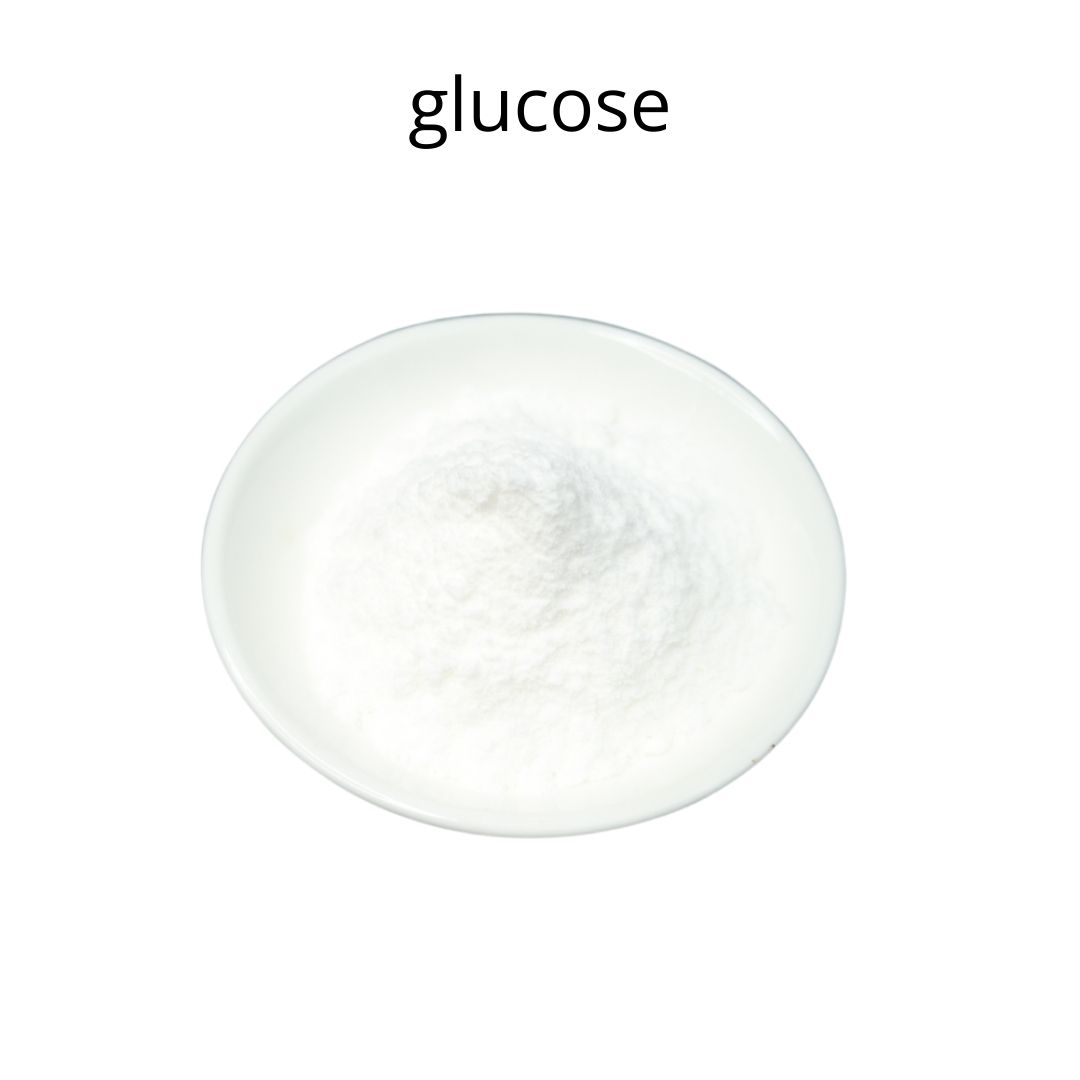


Product Introduction
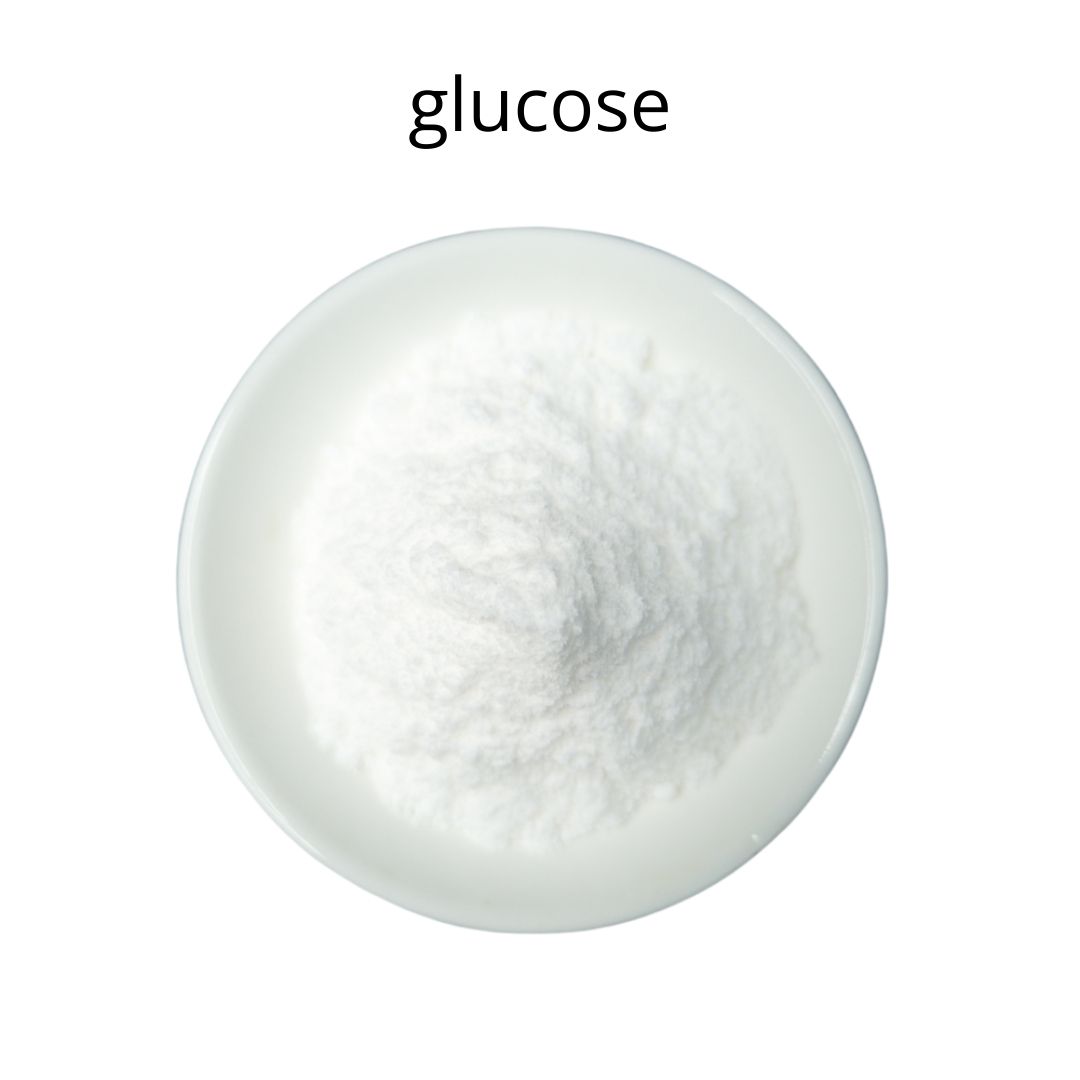
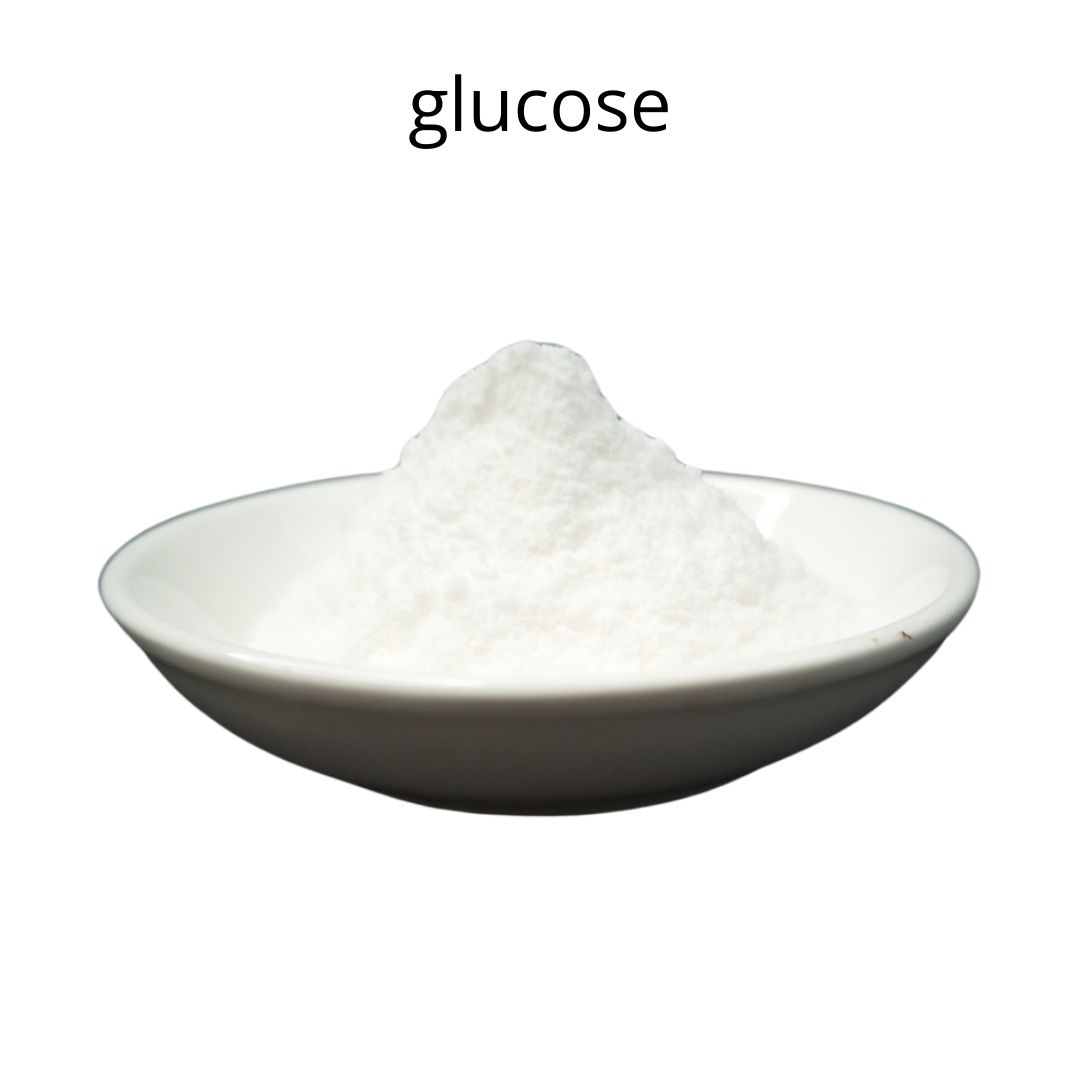
Glucose, also known as dextrose or corn sugar, is a simple monosaccharide and a crucial carbohydrate source for living organisms. It is the most abundant free sugar found in nature. Featuring a white crystalline powder appearance, glucose is soluble in water and has a mildly sweet taste, making it widespread in various applications. Its primary role is to provide energy through metabolic processes like glycolysis. [1]
Product Manufacturing Process
The manufacturing process of glucose typically involves the hydrolysis of starch, commonly sourced from corn, wheat, or potatoes. Initially, the starch is mixed with water to form a slurry. This slurry is then heated in the presence of acids or enzymes like amylase to break down the complex starch molecules into simpler glucose molecules. The resulting solution is purified through filtration and activated carbon treatment to remove impurities and color. Following purification, the solution undergoes evaporation to increase the glucose concentration. Finally, the concentrated glucose solution is crystallized, separated, and dried to obtain the final crystalline glucose product. [2]
Product Applications
Glucose finds extensive applications across various industries. In the food and beverage sector, it acts as a sweetener, flavor enhancer, and texture modifier in products such as candies, baked goods, and soft drinks. Glucose is also used as a fermentation substrate in the production of alcoholic beverages and as a preservative in jams and jellies. In the pharmaceutical industry, it serves as a nutrient and energy source in intravenous solutions and oral medications. Industrially, glucose is a precursor in the synthesis of various chemicals, including vitamin C and citric acid. [3]
Packaging and Storage
Glucose is typically packaged in multi-layer paper bags or polyethylene-lined containers to prevent moisture absorption and maintain product quality. It should be stored in a cool, dry, and well-ventilated area, away from direct sunlight and incompatible substances. Maintaining these storage conditions helps to extend the shelf life and prevent issues such as caking or degradation. Proper packaging and storage are critical to ensure that glucose retains its properties and suitability for its intended applications for up to two years. [4]
Citations:
[1] National Center for Biotechnology Information (2024). PubChem Compound Summary for CID 5793, Glucose. Retrieved from https://pubchem.ncbi.nlm.nih.gov/compound/Glucose
[2] Sindhu, R., Binod, P., Pandey, A., & Nair, M. S. (2016). Biological pretreatment of lignocellulosic biomass – An overview. Bioresource Technology, 199, 76–82.
[3] Food and Drug Administration. (2023). CFR - Code of Federal Regulations Title 21. Retrieved from https://www.accessdata.fda.gov/scripts/cdrh/cfdocs/cfcfr/cfrsearch.cfm?fr=184.1857
[4] Codex Alimentarius Commission. (1995). General Standard for Food Additives. CODEX STAN 192-1995.

As the plant manager, I focus on the precise formulation and efficient production of food additives. We rigorously control the production process to ensure the quality and safety of each product, meeting industry standards. 🍴