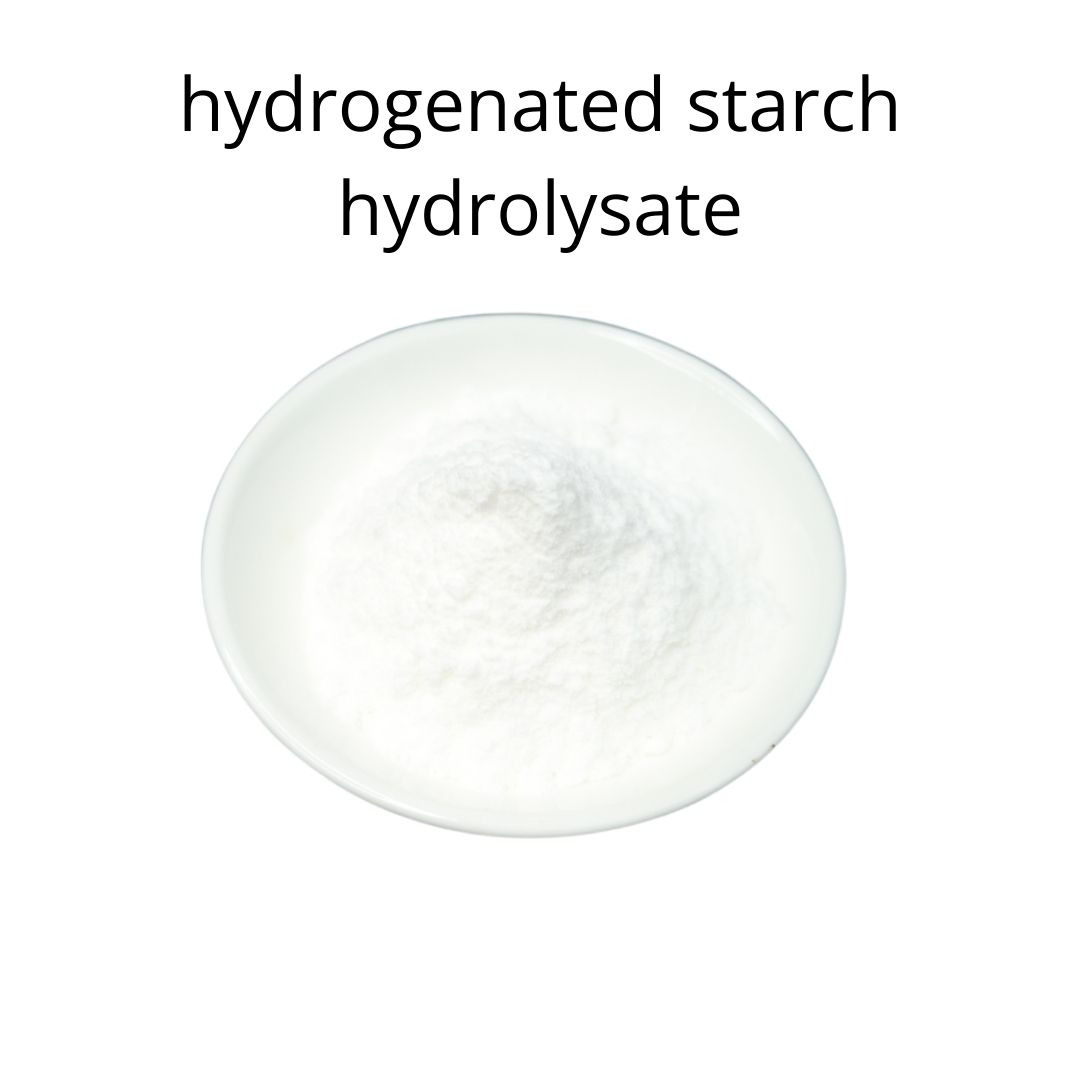


Product Introduction
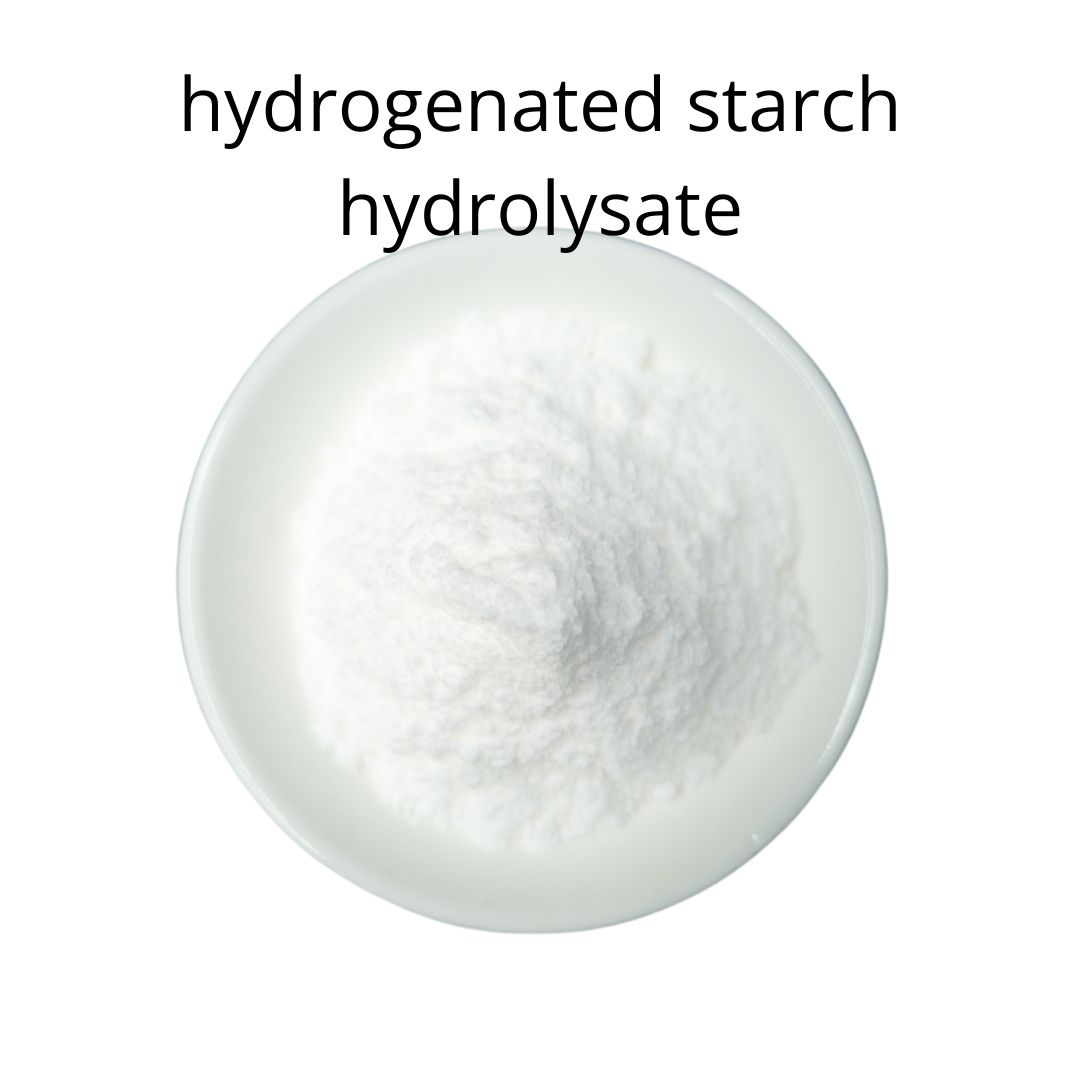
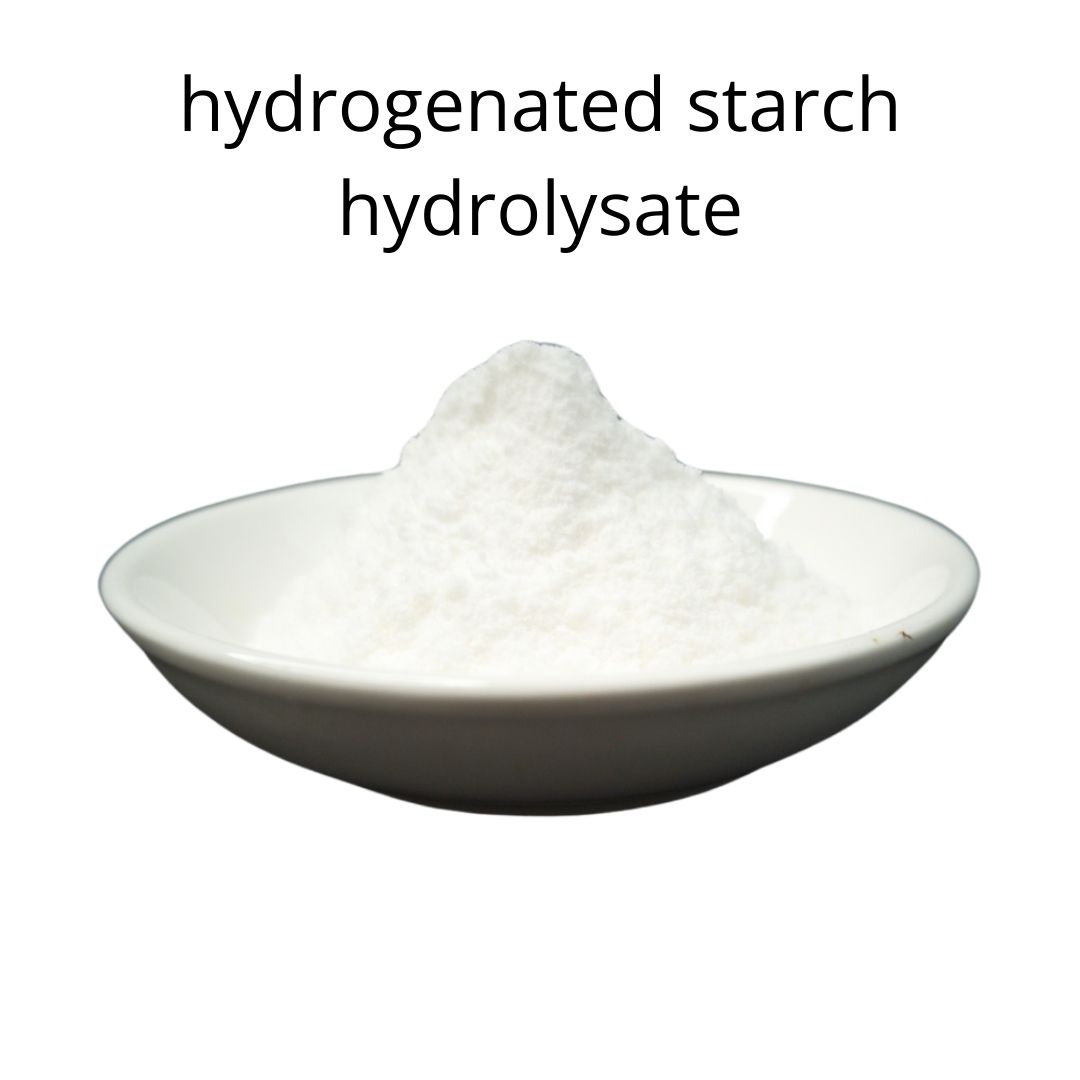
Hydrogenated starch hydrolysate (HSH) is a mixture of several sugar alcohols, primarily sorbitol, maltitol, and hydrogenated oligosaccharides. It is produced by the controlled hydrolysis of starch, followed by hydrogenation. HSH is valued for its properties as a humectant, texturizer, and sweetener with a lower caloric value than sucrose. Different grades of HSH exist, varying in sugar composition and viscosity, each suited for specific applications. The product is generally recognized as safe (GRAS) by the FDA under certain conditions of use [1].
Product Manufacturing Process
The manufacturing of HSH begins with the hydrolysis of starch, typically corn, wheat, or potato starch; this process breaks down the starch into smaller saccharides. The hydrolysis can be achieved through enzymatic or acid hydrolysis. Following hydrolysis, the resulting mixture is hydrogenated. Hydrogenation involves adding hydrogen to the saccharides, converting them into sugar alcohols. This is usually done using a metal catalyst, such as nickel, under high pressure and temperature. The hydrogenated mixture is then purified to remove any residual catalyst and other impurities. The purified HSH undergoes concentration to achieve the desired solid content and viscosity. Finally, the product is tested for quality control to ensure that it meets the required specifications before being packaged [2].
Product Applications
HSH finds wide application in the food and beverage industry because of its unique properties. It functions as a sweetener in sugar-free candies, chewing gum, and other confectionery products. It serves as a humectant in baked goods, preventing them from drying out and maintaining their softness. In the pharmaceutical industry, HSH is used as a vehicle for liquid medications and as a tablet binder. The cosmetic industry utilizes HSH in lotions and creams for its moisturizing and humectant properties, contributing to skin hydration. HSH can also be found in toothpaste and mouthwash formulations, where it acts as a humectant and provides a sweet taste [3].
Packaging and Storage
HSH is typically packed in plastic drums, IBC (Intermediate Bulk Container) totes, or in bulk tankers, depending on the quantity required by the customer. It should be stored in a cool, dry place away from direct sunlight and heat; temperatures should ideally be below 30°C. It is recommended to keep containers tightly closed to prevent contamination and moisture absorption. The shelf life of HSH, when stored properly, is generally 24 months from the date of manufacture [4].
Citations:
[1] U.S. Food and Drug Administration. (2023). Generally Recognized as Safe (GRAS) Notification Program. https://www.fda.gov/food/food-ingredients-packaging/generally-recognized-safe-gras
[2] Cerestar. (2000). Polyols: Sorbitol, Mannitol, Maltitol, HSH. Cerestar Group.
[3] Nabisco Brands Company. (1986). Sugarless chewing gum containing hydrogenated starch hydrolysate. US4623535A.
[4] Roquette America, Inc. (2017). LYCASIN® Hydrogenated Starch Hydrosylate Typical Properties.

As the plant manager, I focus on the precise formulation and efficient production of food additives. We rigorously control the production process to ensure the quality and safety of each product, meeting industry standards. 🍴