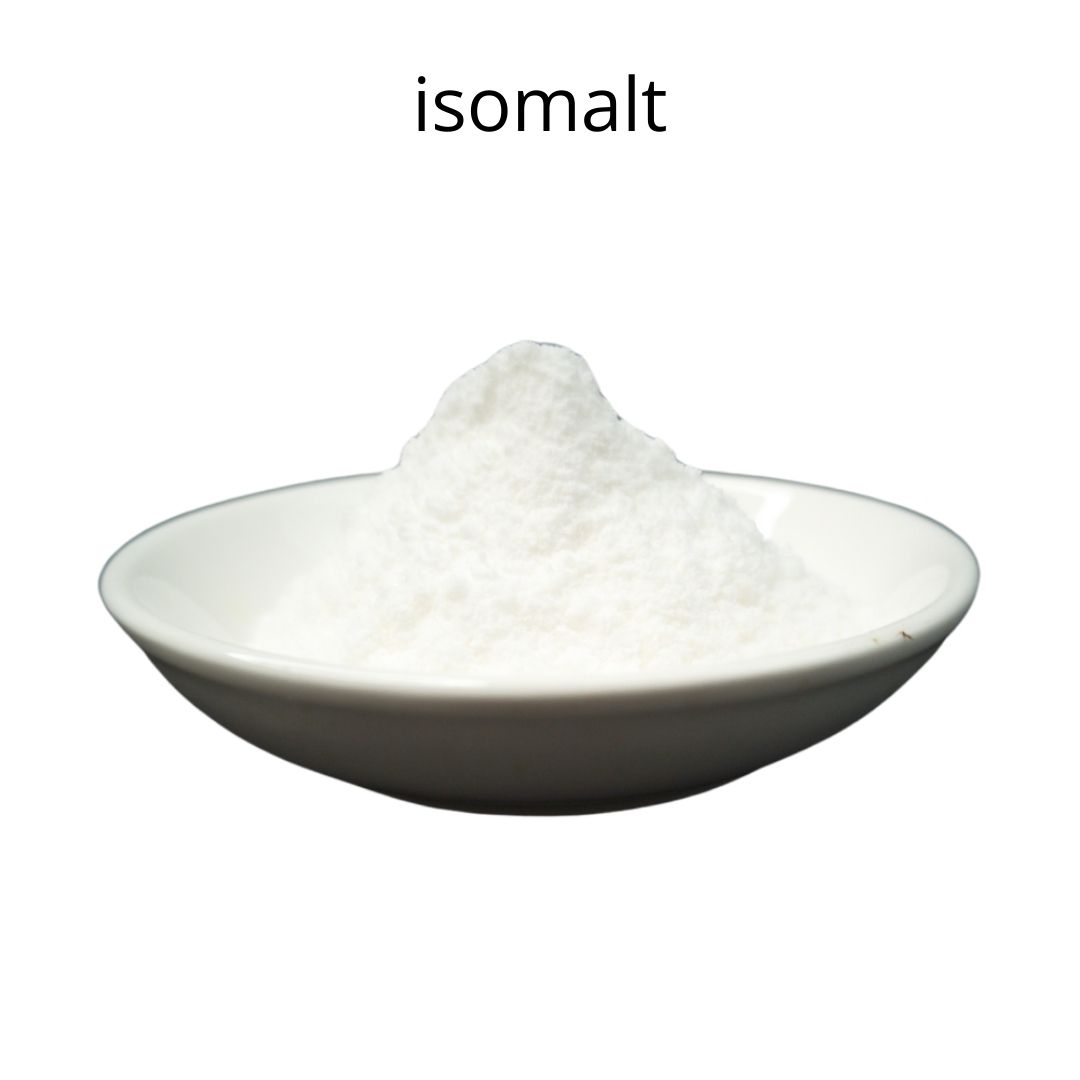


Product Introduction
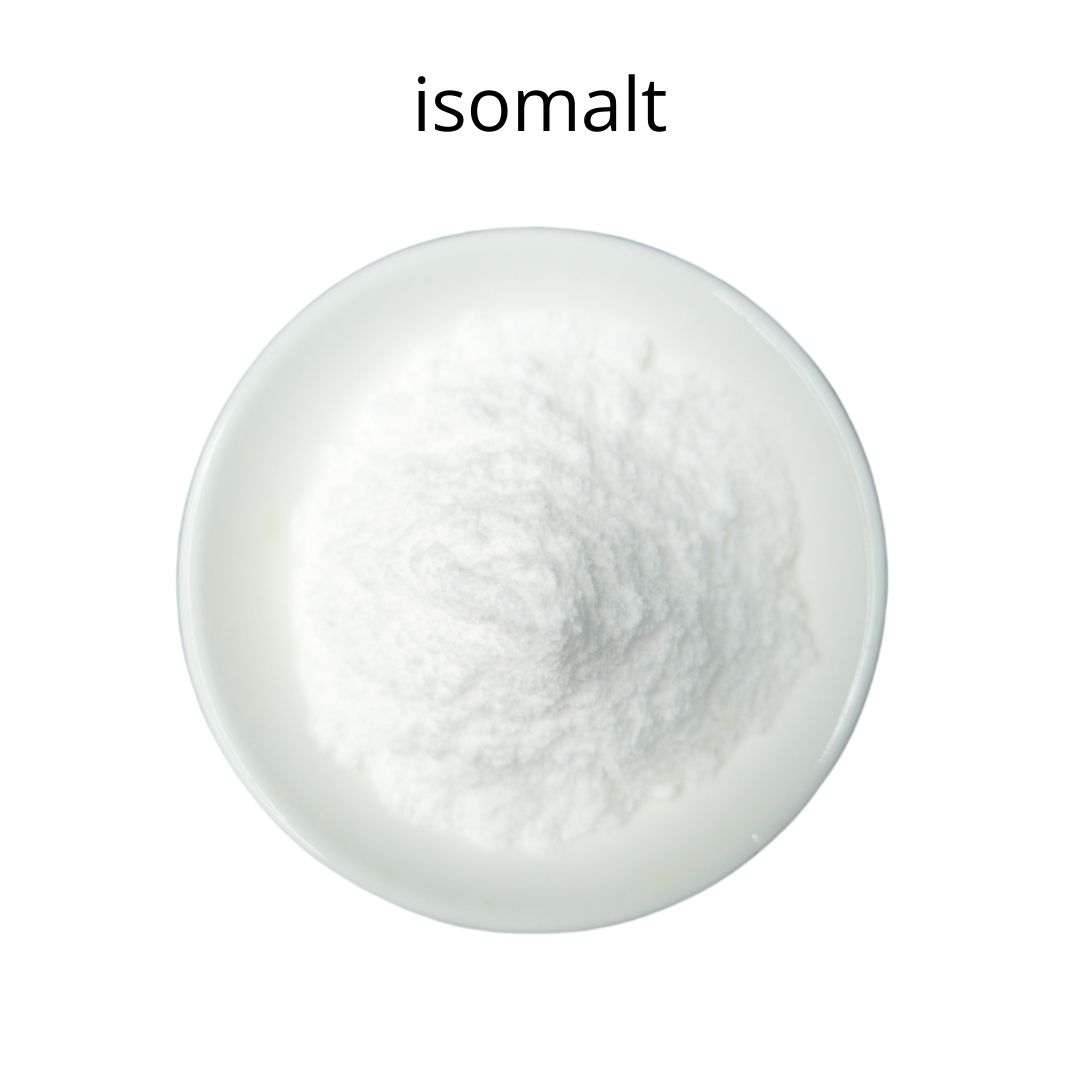
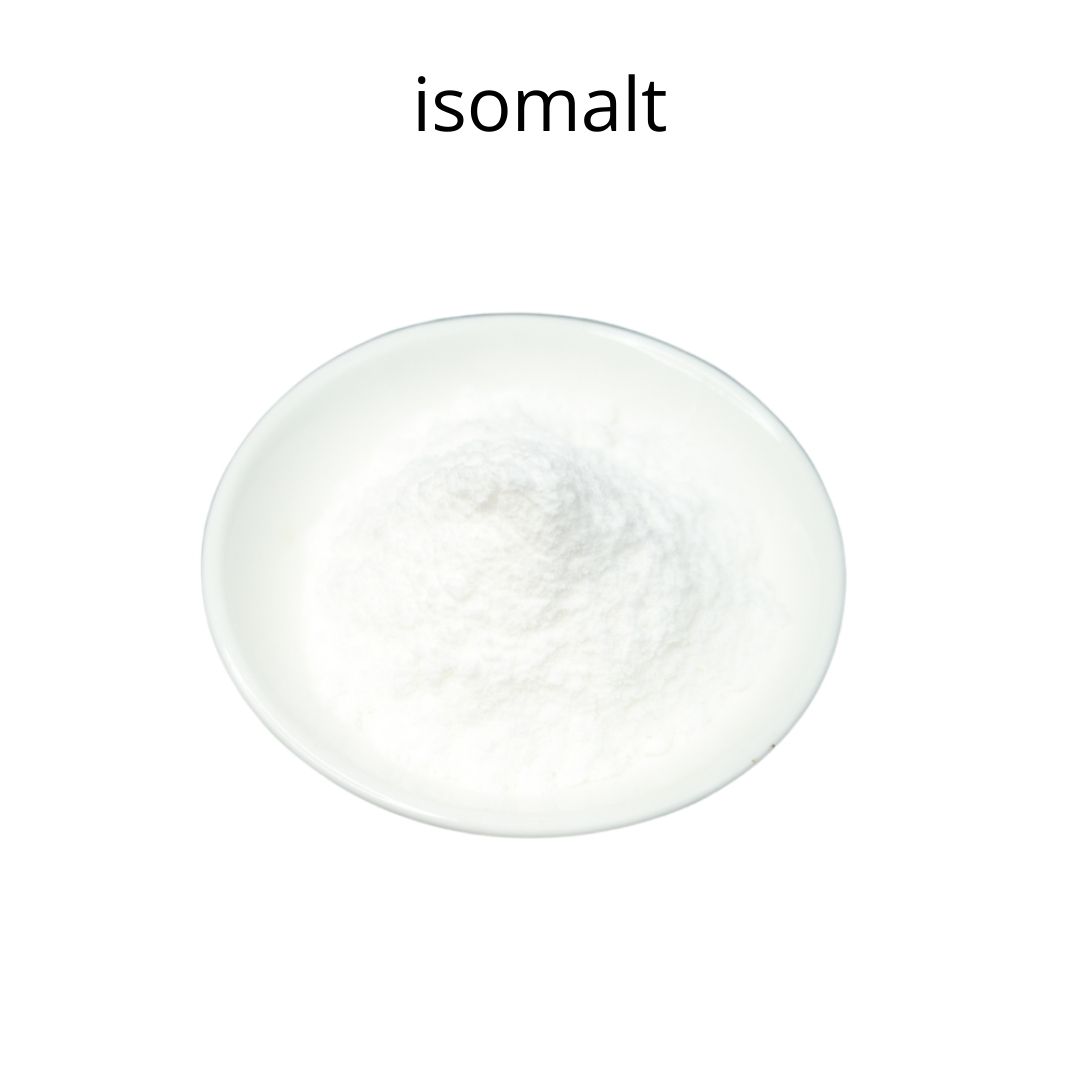
Isomalt, a sugar alcohol, is derived from sucrose. It is composed of two different disaccharides, glucosyl-sorbitol and glucosyl-mannitol [1]. Isomalt is valued for its low hygroscopicity and sucrose-like taste profile [2]. This sweetener is approximately 45-65% as sweet as sucrose [3]. Isomalt is produced through a two-stage process involving enzymatic conversion of sucrose to isomaltulose, followed by catalytic hydrogenation [4]. Its stability allows it to be used in various applications, from hard candies to baked goods.
Product Manufacturing Process
The manufacturing of isomalt involves two primary steps: enzymatic conversion and catalytic hydrogenation. The first step begins with sucrose, which is enzymatically converted into isomaltulose, using an enzyme such as isomaltulose synthase [4]. Next, the isomaltulose is purified and then hydrogenated, typically using a nickel catalyst, to produce a mixture of glucosyl-sorbitol and glucosyl-mannitol [4]. The resulting isomalt is then crystallized, dried, and milled to achieve the desired particle size [4]. Stringent quality control measures are implemented throughout the process to ensure purity and consistency [4].
Product Applications
Isomalt finds use in various food applications, particularly where sugar-like properties are desired with reduced caloric content. It is commonly used in sugar-free candies, chewing gums, and chocolates because of its low hygroscopicity, which prevents stickiness [5]. In baked goods, isomalt can add bulk and texture while contributing less to the overall sweetness [6]. Pharmaceutical applications include its use as a coating agent and excipient in tablets [7]. Isomalt’s stability under different processing conditions makes it a versatile ingredient for various formulations [8].
Packaging and Storage
Isomalt is typically packaged in multi-layer paper bags or fiber drums with polyethylene liners, available in various sizes such as 25 kg or 50 lb [9]. It should be stored in a cool, dry place, away from direct sunlight and moisture to maintain its quality and prevent clumping [9]. Proper storage conditions ensure that isomalt retains its properties and extends its shelf life [9]. Following these guidelines helps prevent degradation and maintains product integrity during storage [9].
Citations:
[1] Food and Agriculture Organization of the United Nations. (1990). Specifications for identity and purity of certain food additives. FAO Food and Nutrition Paper, 49.
[2] Livesey, G. (2003). Health potential of polyols as sugar replacers, with emphasis on low glycaemic properties. Nutrition Research Reviews, 16(2), 163-191.
[3] Mitchell, H. (2006). Sweeteners and sugar alternatives in food technology. Blackwell Publishing.
[4] Hiele, M., Ghoos, Y., Rutgeerts, P., & Vantrappen, G. (1993). Metabolism of isomaltulose and isomalt in healthy subjects. Scandinavian Journal of Gastroenterology, 28(9), 821-825.
[5] Imeson, A. (2010). Food stabilisers, thickeners and gelling agents. John Wiley & Sons.
[6] Zumbé, A., & Lee, A. (1995). Use of the sugar replacers isomalt and polydextrose in bakery products. Cereal Foods World, 40(11), 830-834.
[7] Bolhuis, G. K., et al. (2007). Compression characteristics of isomalt. European Journal of Pharmaceutics and Biopharmaceutics, 67(2), 275-283.
[8] Linke, H. A. B., & Seib, P. A. (1993). Sweeteners: a status report. Cereal Foods World, 38(10), 634-648.
[9] Cerestar. (1997). Isomalt: Technical Information. Cerestar Group.

As the plant manager, I focus on the precise formulation and efficient production of food additives. We rigorously control the production process to ensure the quality and safety of each product, meeting industry standards. 🍴